Last updated November 18, 2026
Free written scope consultation - allowances, timeline, and change-order rules on paper before a single trade is scheduled
Construction Cost Breakdown: The Spring Valley Homeowner’s Reference for 2026
If you used a national cost estimator for your Spring Valley addition, subtract the credibility immediately. Las Vegas Valley labor rates, material delivery costs from regional distributors, and Clark County permit fees make those numbers wrong before the first line item. The estimator doesn’t know that your HOA board meets once a month and reviews design packages with a fine-tooth comb. It doesn’t know that pool-adjacent hardscape costs more to build here than a standard driveway does. And it certainly doesn’t know what Clark County charges to pull a residential permit in 2026. This guide covers the local numbers those tools leave out: per-square-foot costs, permit fee breakdowns, the hardscape premium around pools, and which materials are stabilizing versus still running hot.
Quick Answer
Construction costs in Spring Valley in 2026 run roughly $180 to $320 per square foot for a room addition, $55 to $95 per square foot for a patio cover, and $12 to $22 per square foot for paver installation, with Clark County permit fees adding a separate line item that national estimators ignore. Labor in the Las Vegas Valley and delivery premiums from regional distributors push local pricing above national averages. The written estimate, not a website calculator, sets the final price.
Styles & brands we work with
- Kitchen remodeling
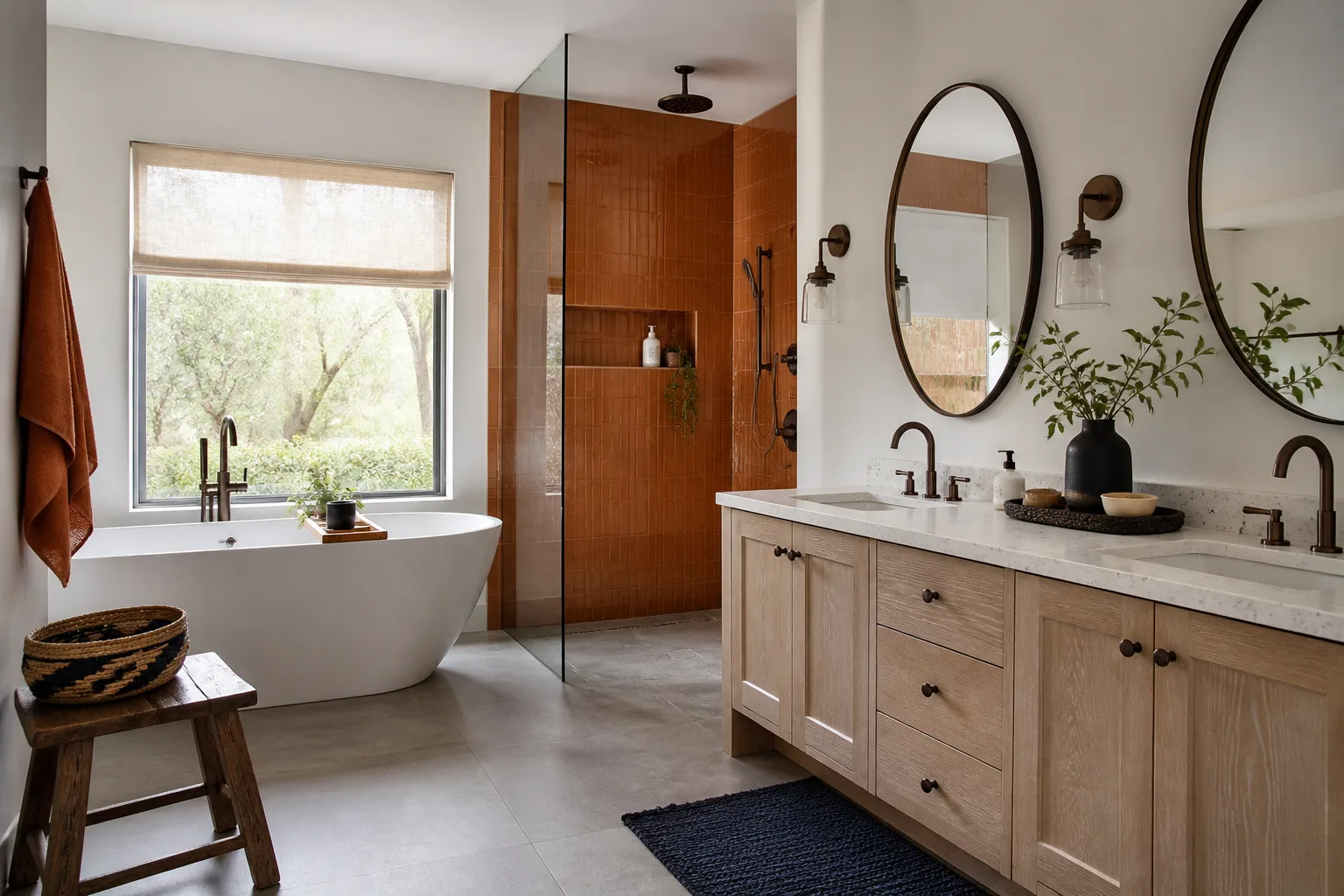
- Bathroom remodeling
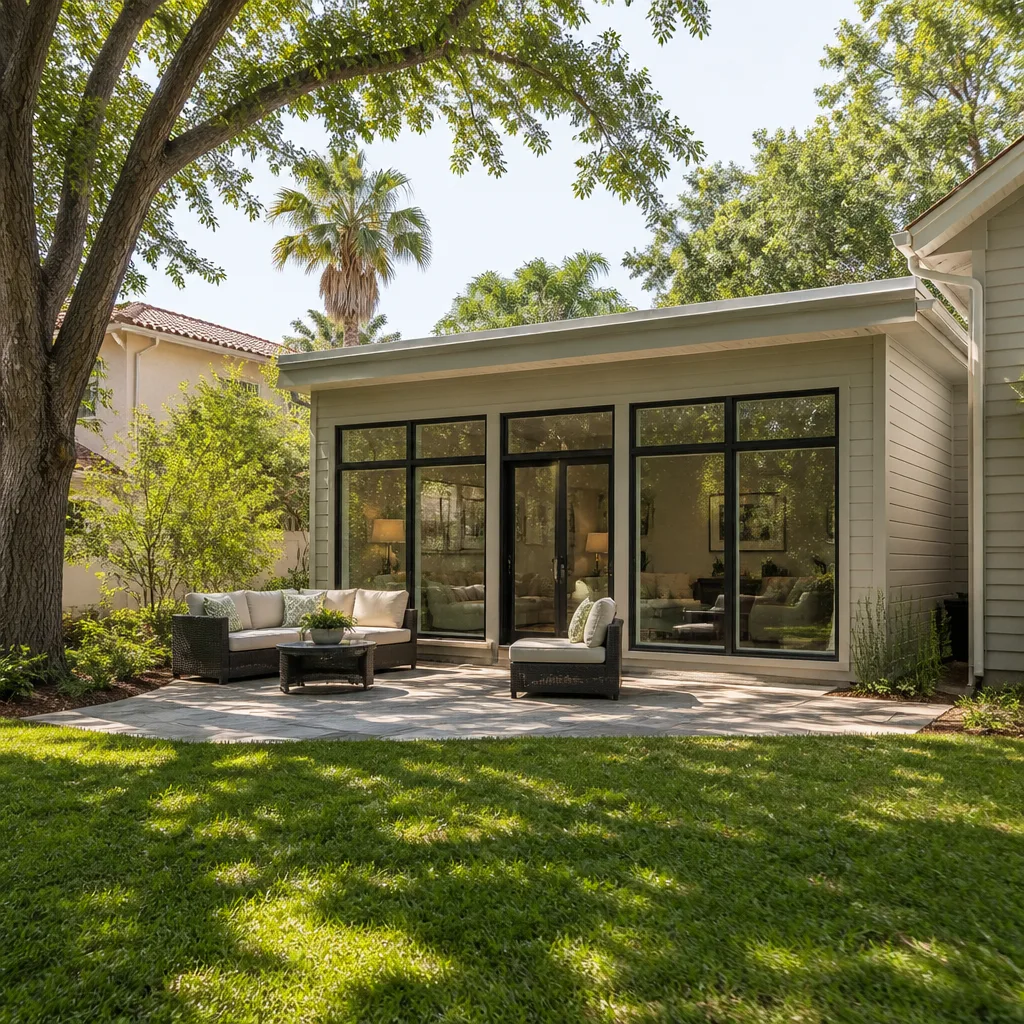
- Home additions & ADU
- Roofing
- Windows & doors
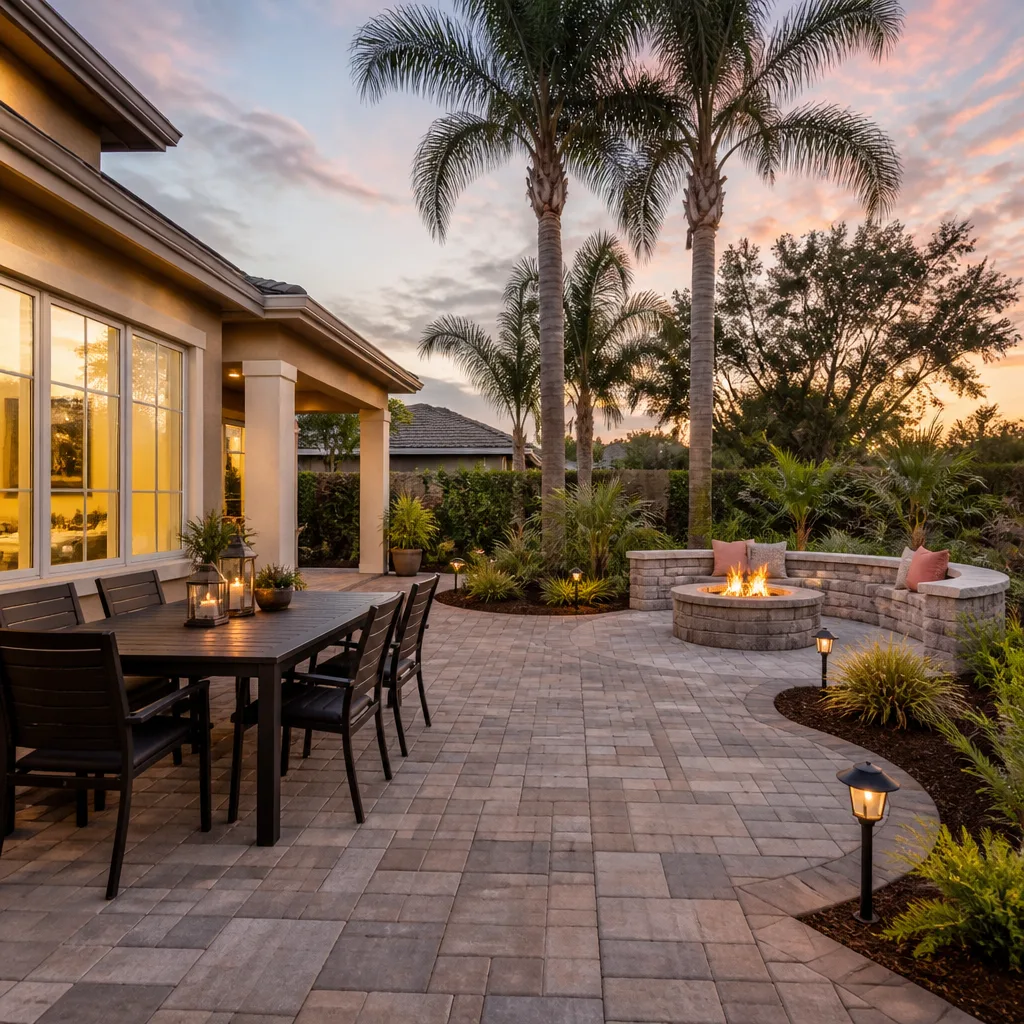
- Driveway & pavers
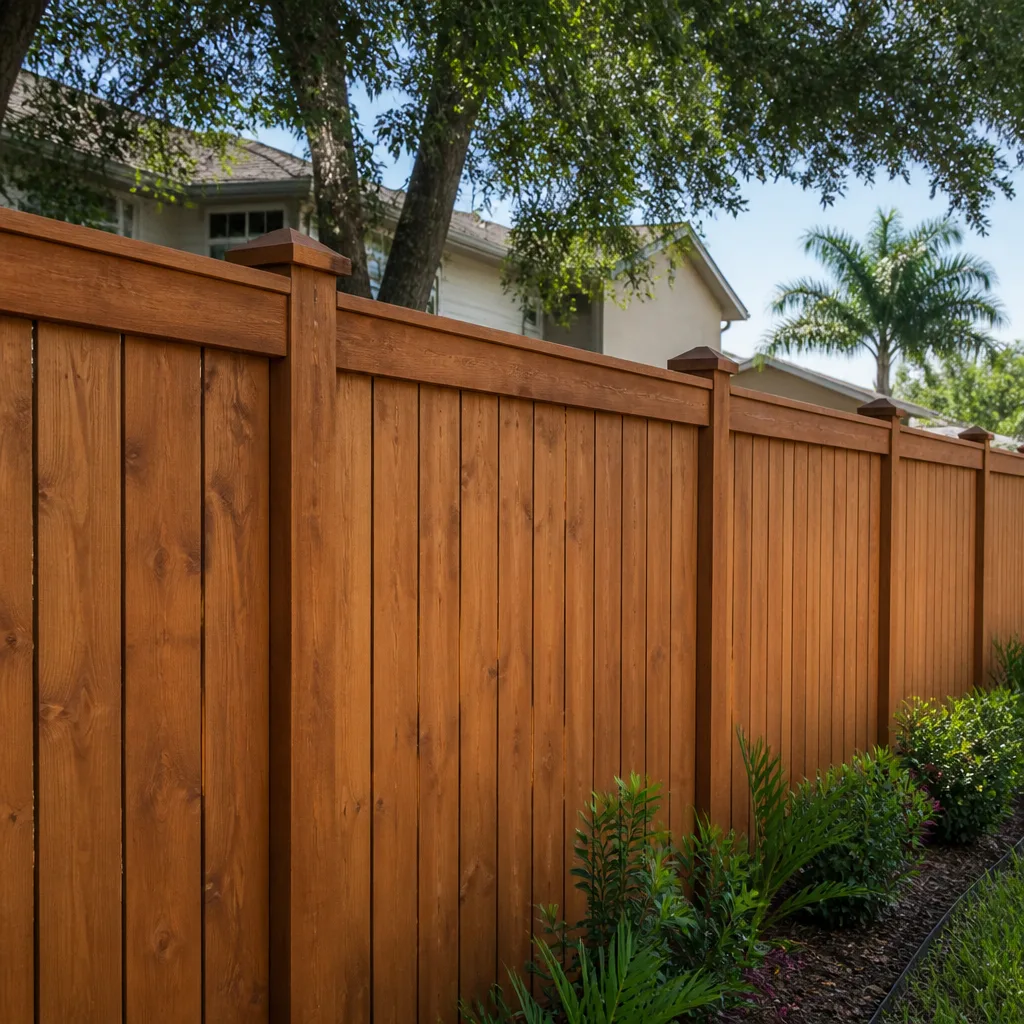
- Fence
Table of Contents
- Why National Estimators Miss the Mark in Spring Valley
- Per-Square-Foot Costs for Common Spring Valley Projects
- Clark County Permit Fees: The Line Item Most Guides Omit
- Why Pool-Adjacent Hardscape Costs 15-25% More
- Single-Contractor Pricing vs. Multi-Contractor Bids
- Material Cost Volatility Watch List for 2026
- HOA Review Delays and Carrying Costs
- What Moves Your Number Up or Down
Why National Estimators Miss the Mark in Spring Valley
National cost tools pull from a blended dataset that averages labor and material costs across the entire country. That average doesn’t reflect what it actually costs to build in Spring Valley. Three local factors throw off those numbers before you even open the spreadsheet.
The first is labor. Las Vegas Valley trades charge more than the national median because the pool of qualified crews is smaller relative to demand. When framing crews, concrete finishers, and finish carpenters are all booked out, the market rate climbs. That’s the reality in Spring Valley right now, where residential construction volume has stayed steady while the supply of experienced labor hasn’t kept pace.
The second is material delivery. Regional distributors serving the Las Vegas Valley add freight and logistics costs that a national estimator simply averages away. Concrete, pavers, and roofing materials all carry a delivery premium here because they’re trucked in from distribution hubs outside the immediate area. That premium shows up in every line item that involves heavy materials.
The third is Clark County permit fees. National tools either ignore permit costs entirely or plug in a generic percentage. Clark County has its own fee schedule, and those fees are a real line item on every permitted project in Spring Valley, from a room addition to a patio cover that requires structural review.
What this means for you: treat any national estimate as a floor, not a forecast. The real number comes from a written estimate that accounts for local labor, delivery, and permit costs specific to your property.
Per-Square-Foot Costs for Common Spring Valley Projects
Here’s what residential construction typically runs in Spring Valley in 2026, broken down by project type. These are estimated ranges, and the written estimate sets the final price.
| Project Type | Typical Cost Range | What Drives the Number |
|---|---|---|
| Room addition (per sq ft) | $180-$320 | Foundation, framing, mechanical, finishes |
| Patio cover (per sq ft) | $55-$95 | Structural design, material choice, attachment |
| Driveway pavers (per sq ft) | $12-$22 | Base prep, paver grade, pattern complexity |
| Pool-adjacent hardscape (per sq ft) | $14-$28 | Drainage, slope, material durability near water |
| Bathroom remodel (full gut) | $18,000-$42,000 | Plumbing relocation, tile scope, fixture tier |
| Kitchen remodel (mid-range) | $28,000-$65,000 | Cabinetry, countertops, appliance package |
| ADU (prefab/modular) | $120,000-$250,000 | Unit size, site prep, utility connections |
These ranges reflect the material tiers we work with across our catalog. A bathroom with Kohler fixtures and a Cambria countertop sits at the higher end. A kitchen built with budget-tier cabinetry and a laminate surface sits lower. The range isn’t a sales tactic; it’s the honest spread between what a functional build costs and what a premium one does.
For driveways specifically, the per-square-foot number depends heavily on base preparation. A driveway poured over properly compacted Class II base with a Belgard or Tremron paver on top costs more upfront than one laid on minimal prep, but it holds up far better through the freeze-thaw swings and summer heat that Spring Valley properties see. That’s why we treat driveway & pavers as a base-prep job first and a surface job second.
Clark County Permit Fees: The Line Item Most Guides Omit
Most construction cost guides skip permit fees entirely. That’s a mistake, because Clark County charges real money for the permits that residential work in Spring Valley requires, and those fees land on your invoice.
Permit fees in Clark County are calculated on a project-by-project basis. The exact number depends on the scope, the valuation of the work, and the number of inspections required. A simple patio cover with a structural attachment costs less to permit than a full room addition with electrical, plumbing, and mechanical scope. An ADU carries its own permit pathway with additional review steps.
Here’s the practical sequence for permitted work in Spring Valley:
- Confirm what needs a permit. Most structural work, any addition to the footprint, and any change to electrical, plumbing, or mechanical systems requires one. Ask the county building department directly for your specific scope.
- Submit the plan set. Clark County reviews the design package before issuing a permit. Incomplete submissions get kicked back and add weeks.
- Pay the fee based on valuation. The fee scales with the declared value of the work, not a flat rate.
- Schedule inspections at each phase. Foundation, framing, rough mechanical, and final inspection each require a separate visit. Missed or failed inspections add both time and re-inspection fees.
- Close out the permit. The job isn’t done legally until the final inspection passes and the permit is closed.
That’s why we pull permits and pass inspections as part of every project that requires them. An unpermitted addition or structural change can create problems at resale and, in some cases, with your insurer. The permit fee is a line item you should see in your written estimate, not a surprise later.
Why Pool-Adjacent Hardscape Costs 15-25% More
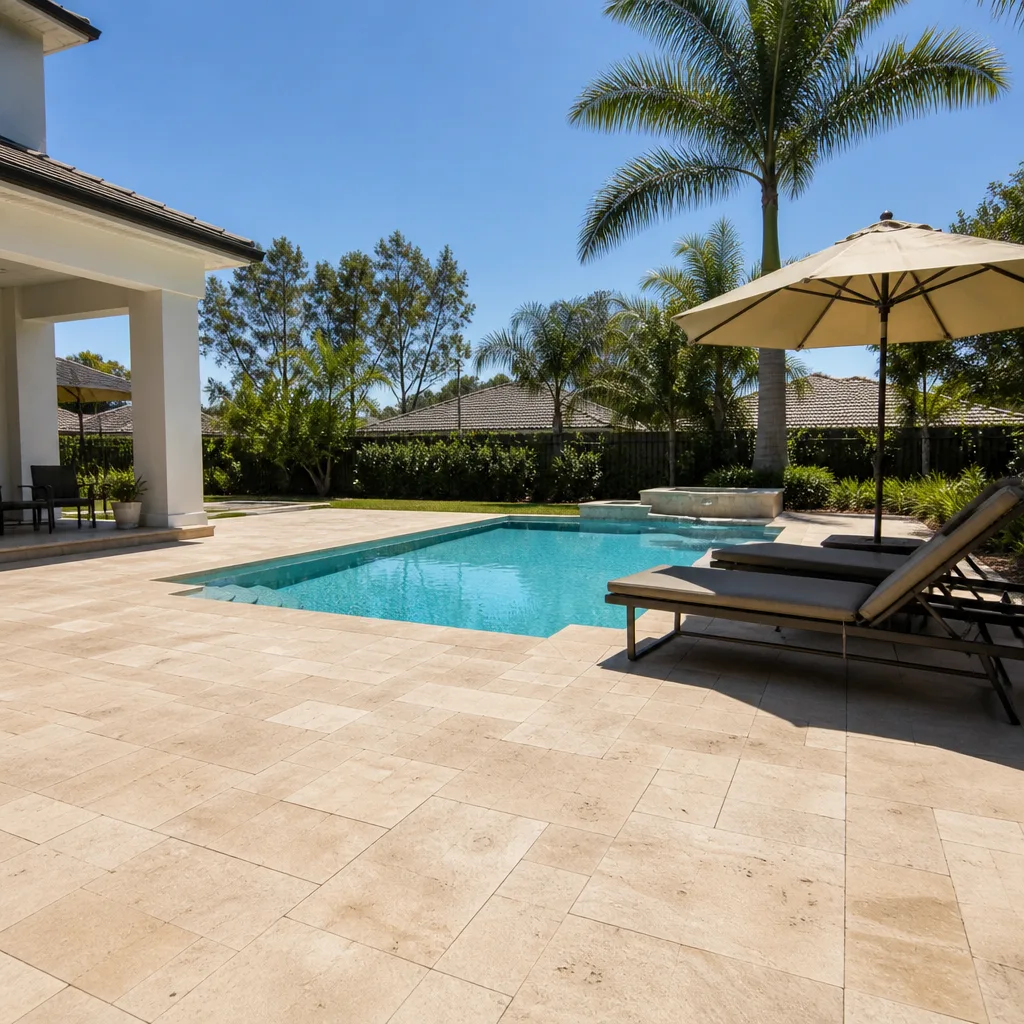
Pool-adjacent hardscape in Spring Valley carries a 15-25% premium over a standard driveway or walkway. That premium is real, and it comes down to four factors that standard hardscape doesn’t have to solve.
- Drainage engineering. Water can’t be allowed to run back into the pool or pool equipment area. Grading and drainage have to divert water away from the pool structure, which means more base material, more excavation, and a more careful design.
- Slope control. Pool decks and surrounds need a controlled slope that meets the coping without pooling. That’s more precise work than a flat driveway, and precision costs labor time.
- Material durability near water. Not every paver performs equally with constant splash and chemical exposure. Brands with documented absorption and freeze-thaw ratings, like Techo-Bloc and Unilock, cost more per square foot, but they hold up where cheaper options fail.
- Equipment access and staging. Pool areas are tighter work zones. Crews can’t stage large equipment the way they can on a driveway, which slows installation and adds labor cost.
The premium isn’t a markup for the sake of margin. It reflects the extra engineering and labor that a pool-adjacent project genuinely requires. If a bid you receive doesn’t account for drainage and slope control around your pool, ask why.
Single-Contractor Pricing vs. Multi-Contractor Bids
Homeowners often assume that bidding each trade separately gets the lowest total. That’s sometimes true on paper, and rarely true in practice. Here’s the honest comparison.
A multi-contractor approach means separate bids from a paving crew, a fence installer, a framer, an electrician, a plumber, and a finish carpenter. Each bid looks competitive on its own. The hidden costs show up in the gaps between them: coordination time, scheduling delays when trades don’t line up, change orders when one trade’s work creates problems for another, and the general contractor’s markup if you hire someone to coordinate on your behalf. On a project that spans driveway & pavers, fence installation, and home additions & ADU work, those gaps are where budgets get eaten.
A single-contractor approach, where one accountable team handles the full scope under one contract, prices the whole job together. You pay one mobilization, one set of permits, one schedule. The trade-off is that the top-line number sometimes looks higher than the sum of the cheapest individual bids. It rarely is higher than the real cost after coordination, delays, and change orders.
One contractor, every scope doesn’t mean one price regardless of what you choose. It means one accountable point of contact and one line-item quote that covers the whole property, from the driveway to the roofline.
Material Cost Volatility Watch List for 2026
Material costs in Spring Valley are settling unevenly. Some categories have come down toward pre-2022 levels. Others are still running above where they were four years ago, and the gap isn’t closing quickly. Here’s where things stand.
Roofing membrane and shingles: stabilizing. The supply chain normalization lag that pushed roofing prices up is easing. GAF, CertainTeed, and Owens Corning systems are more predictable in price now than they were two years ago, though they haven’t fully returned to 2022 baselines. If you’re planning a roof, the current window is more stable than it’s been in a while.
Concrete pavers: still elevated. Concrete and the pigments that color pavers remain above pre-2022 pricing. Freight costs from regional distributors haven’t dropped as much as manufacturers expected. If your project includes a large hardscape footprint, budget for paver costs to stay where they are rather than coming down mid-project.
Aluminum framing: mixed. Aluminum used in fencing and window frames has shown volatility tied to global metal prices. Aluminum fence systems from Ameristar and Master Halco are holding reasonably steady, but the material is the most sensitive to outside market swings on this list.
The practical takeaway: get a written estimate with fixed pricing and no change orders so volatility doesn’t get passed to you mid-build. Ask your contractor how the price locks in, and get it in writing.
HOA Review Delays and Carrying Costs
Spring Valley has a significant number of HOA-governed properties, and those associations add a cost that national estimators never account for: time. An HOA board that meets monthly and reviews design packages carefully can add four to eight weeks to a project timeline before a single shovel hits the ground.
That delay isn’t free. If you’re financing the project, interest accrues while you wait. If you’re renting during construction, rent payments continue. If you’re coordinating a move or a family schedule around the build, that schedule shifts. These are carrying costs, and they’re real.
Here’s how to plan around them:
- Get your HOA’s design review requirements upfront. Ask for the submission checklist before you finalize plans.
- Submit a complete package the first time. Incomplete submissions restart the review clock.
- Coordinate the permit and HOA timelines in parallel. Don’t wait for one to finish before starting the other.
- Build a cushion into your schedule. If the board meets monthly, assume at least one full cycle of delay.
We’ve seen HOA review timelines add meaningful carrying cost to otherwise straightforward projects in Spring Valley. Getting the design package right the first time is the single best way to shorten that delay.
What Moves Your Number Up or Down
Two identical projects can price differently based on factors that have nothing to do with the contractor’s margin. Here’s what actually moves your number, so you can compare bids fairly.
- Site access. A project with tight access for equipment and materials costs more in labor than one with open access. Pool surrounds and rear-yard work carry this premium.
- Existing conditions. Older homes in Spring Valley sometimes have surprises behind the drywall: outdated wiring, plumbing that doesn’t meet current code, or framing that needs correction. Those get identified during the job and priced accordingly.
- Material tier. This is where your choices matter most. A bathroom with Kohler fixtures and a Caesarstone countertop prices higher than the same layout with standard builder-grade materials. That’s your call, not a contractor upsell.
- Scope clarity. A precise scope with defined finishes prices more accurately than a vague one. The clearer the plan, the fewer surprises on the invoice.
- Permit complexity. A project that touches structural, electrical, and plumbing scope requires more inspections and more review, which adds cost.
The best way to control your number is to get specific about what you want before you ask for a bid. Choose your material, trust our installation. The more precisely you define the scope, the tighter the estimate.
Common Mistakes to Avoid
- Trusting a national estimator as your budget. Those tools average labor and material costs across the country and miss Clark County permit fees entirely. Use them for a rough ceiling, not a real number.
- Bidding each trade separately and assuming the total will be lowest. Coordination delays, change orders, and missed schedules often eat the apparent savings. Compare total project cost, not individual bid amounts.
- Forgetting HOA review time in your schedule. Spring Valley HOA boards add weeks to the timeline, and those weeks carry real cost if you’re financing or renting.
- Skipping the permit on “small” structural work. An unpermitted addition or patio cover can complicate resale and create insurance issues. Pull the permit and pass the inspection.
- Choosing pavers on price alone for a pool area. Cheaper pavers with no documented absorption or freeze-thaw rating fail faster near water and pool chemicals. Brands like Techo-Bloc and Unilock cost more upfront and perform better.
- Leaving the scope vague and expecting a fixed price. A contractor can’t price what isn’t defined. Vague scope means change orders later.
- Ignoring material volatility. Ask how the estimate locks in pricing and get it in writing so cost swings don’t get passed to you mid-build.
See the difference
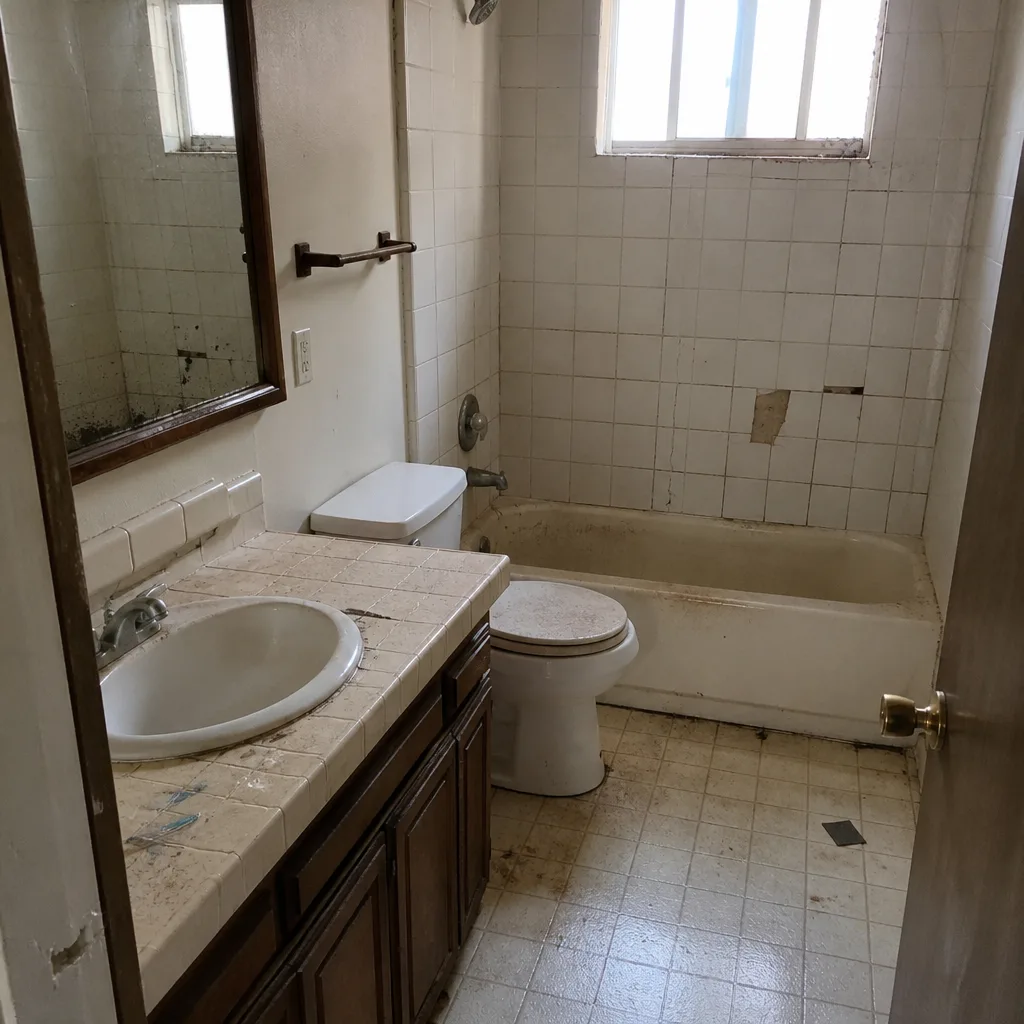 Before
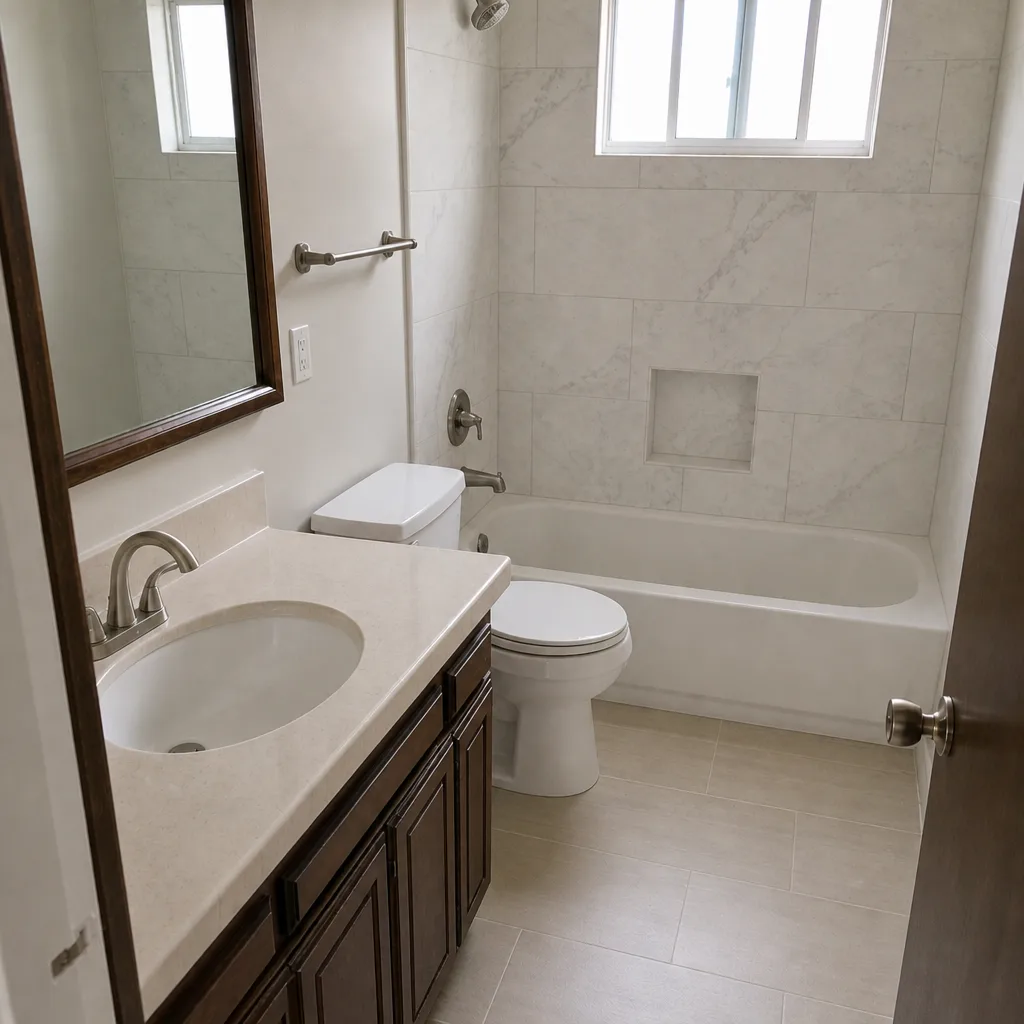 After
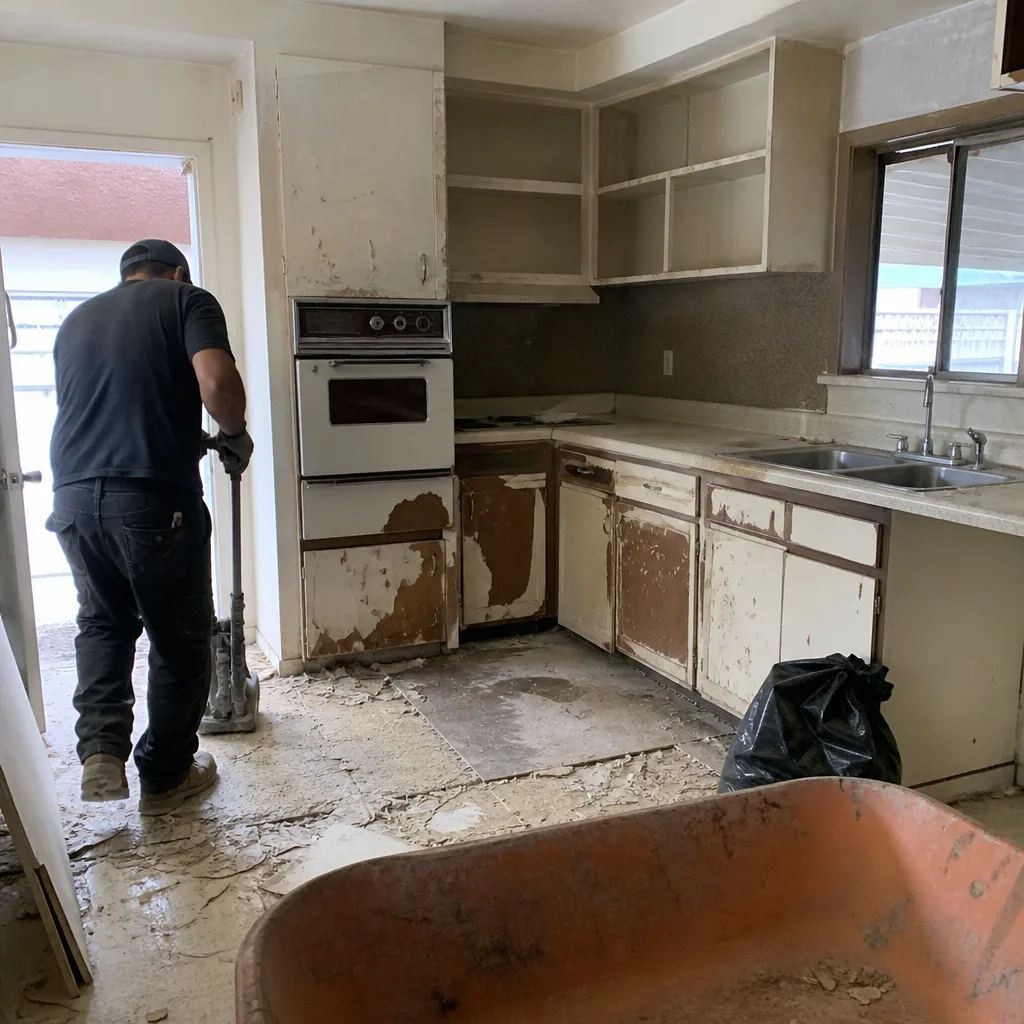 Before
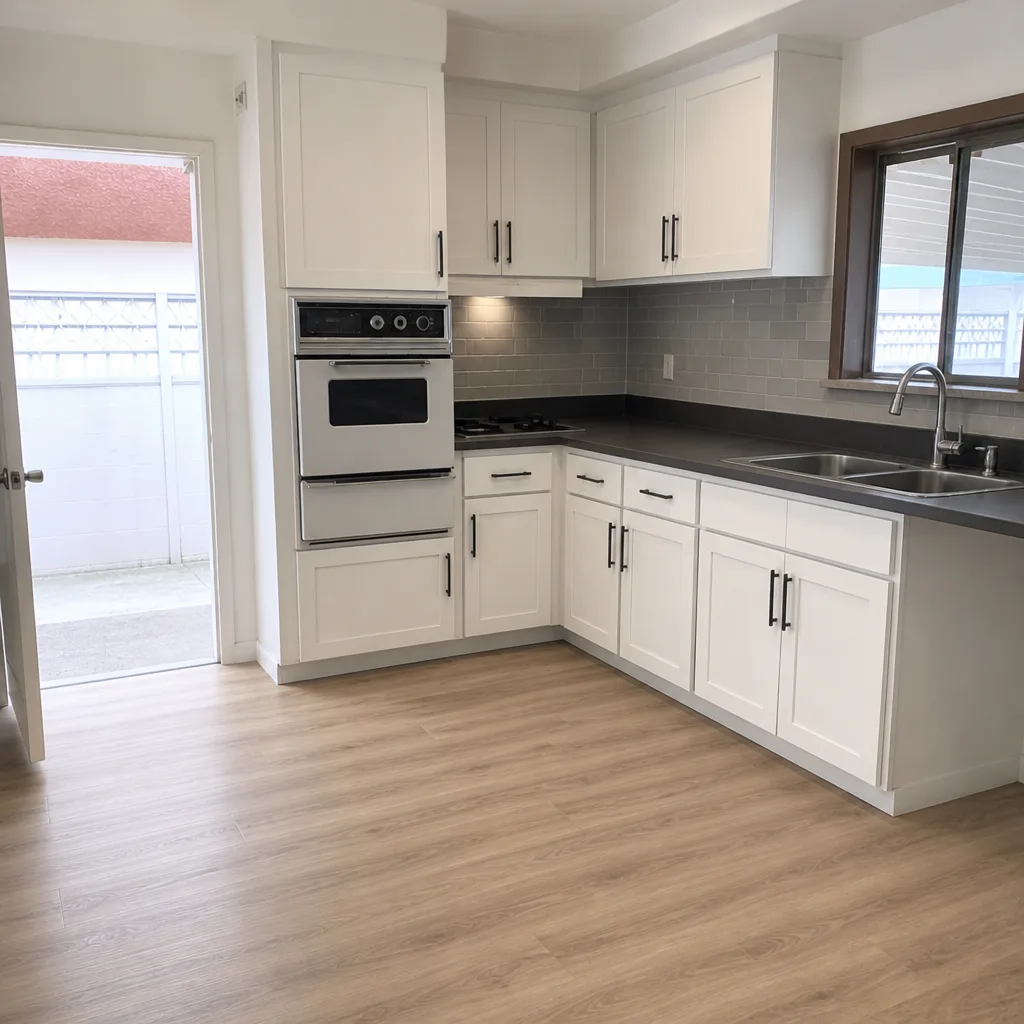 After
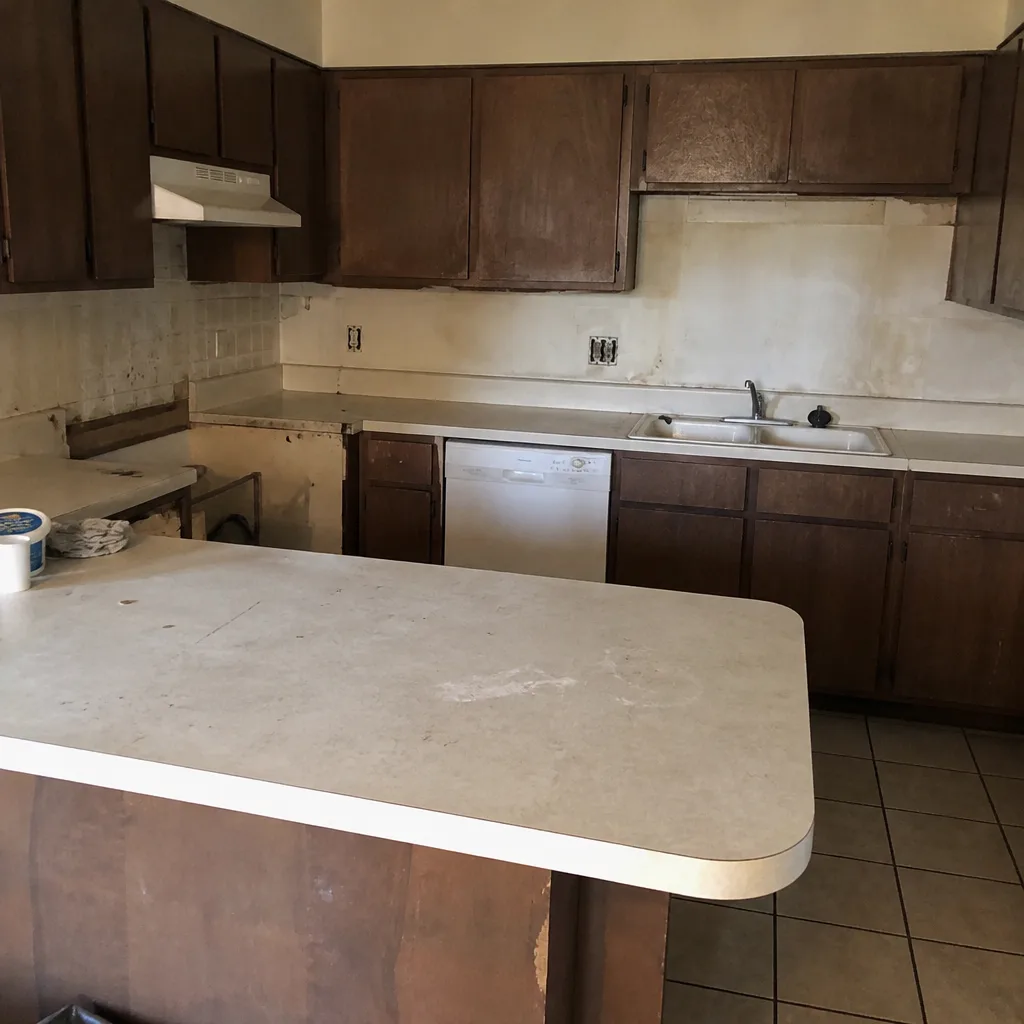 Before
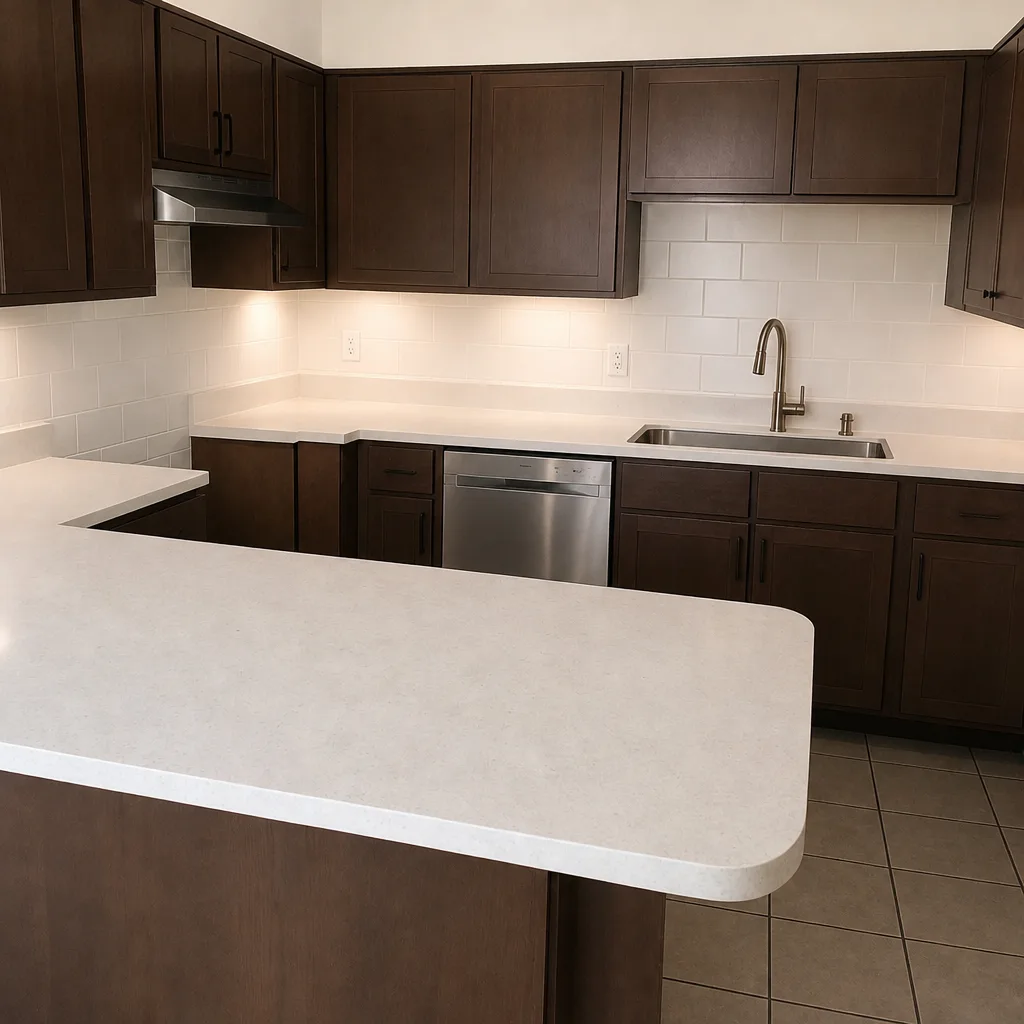 After
When to Call a Professional
Call a professional before you sign anything with a design-build firm, and before you finalize a budget based on a national estimator. If your project involves structural changes, electrical or plumbing relocation, a new roof, an ADU, or a full kitchen or bath remodel, those scopes need permits, inspections, and licensed trades. A single contractor who handles the full property, from the driveway to the roofline, saves you from coordinating six separate bids and the gaps between them. If your Spring Valley project includes pool-adjacent hardscape, get a professional assessment of drainage and slope before you choose a paver. And if your HOA requires design review, get the submission checklist before you commit to a schedule.
Construction Spring Valley offers free estimates in Spring Valley. Call Construction Spring Valley at (844) 560-4461 to schedule yours. We answer 24/7. Fast dispatch from 7am to 7pm, Sunday through Friday.
Frequently Asked Questions
A room addition in Spring Valley typically runs $180 to $320 per square foot in 2026, depending on foundation requirements, finish level, and the mechanical scope involved. Clark County permit fees are a separate line item on top of that. Call (844) 560-4461 for an exact quote. Estimates are free.
Pool-adjacent hardscape carries a 15-25% premium because it requires drainage engineering, slope control, tighter equipment access, and more durable materials that hold up near water and pool chemicals. A standard driveway doesn’t have to solve those problems. If your bid doesn’t account for drainage and slope around the pool, ask about it before you sign.
Yes. Most structural work, including patio covers with structural attachment and any room addition, requires a permit from Clark County, and the fee scales with the valuation of the work rather than a flat rate. A precise scope and a complete plan set keep the fee predictable and the review moving. We pull permits and pass inspections on every project that requires them.
With a written, line-item estimate that locks in pricing, the price shouldn’t change mid-project. Changes only come from scope changes you approve, or from conditions hidden behind walls that get identified during the job and priced before work continues. That’s why we provide fixed pricing with no change orders on the agreed scope.
Not always cheaper on the top line, but it’s usually cheaper in total cost. One contractor means one mobilization, one schedule, and one accountable point of contact, which removes the coordination delays and change orders that eat into apparent savings from separate bids. Compare total project cost, not individual bid amounts. Call (844) 560-4461 for an estimate that prices the whole scope together.
Concrete pavers and aluminum framing remain above pre-2022 baselines in 2026, while roofing membrane and shingles have mostly stabilized. Regional distributor delivery costs haven’t dropped as much as expected, which keeps heavy materials elevated. A written estimate with fixed pricing protects you from mid-project swings.
The Bottom Line
Spring Valley construction costs in 2026 are driven by local factors that national estimators never capture: Clark County permit fees, Las Vegas Valley labor rates, regional delivery premiums, pool-adjacent hardscape engineering, and HOA review delays. Per-square-foot ranges are a starting point, not a budget. The written estimate, with line-item pricing and fixed pricing on the agreed scope, is the number you can actually plan around. Compare total project cost when you evaluate bids, pull the permits, and get the scope specific before you sign. From the driveway to the roofline, one accountable contractor removes the coordination burden that quietly drives costs up on multi-contractor projects.
Call (844) 560-4461 for a free estimate. We answer 24/7. Fast dispatch from 7am to 7pm, Sunday through Friday.
Written by the team at Construction Spring Valley.