
Last updated November 18, 2026







Free written scope consultation - allowances, timeline, and change-order rules on paper before a single trade is scheduled
Seasonal Construction Care for Spring Valley: Year-Round Homeowner’s Guide
The standard homeowner calendar you see printed on fridge magnets and utility bill inserts was written for a place with four soft, wet seasons. Spring Valley doesn’t work that way. Here, the most dangerous month for your home isn’t October or March. It’s August, when monsoon moisture finally arrives and finds every dried-out caulk joint, sun-cracked window seal, and failed roof penetration the summer has been quietly preparing since May. What follows is a maintenance calendar built around the actual weather of the Las Vegas Valley: brutal UV summers, a short violent monsoon, mild winters with surprise freezes, and the one forgiving construction window in spring. We’ll walk through what to check and when, so nothing catches you off guard.
Quick Answer
Spring Valley homes run on a four-phase maintenance calendar: pre-monsoon prep in June, monsoon damage assessment in September, freeze protection in late fall and winter, and major construction in the March – May window before heat makes concrete curing and exterior work difficult. The single most important task each year is inspecting roof penetrations, flashing, and window seals before July’s moisture arrives, because that’s when the most expensive damage happens.
Styles & brands we work with
- Kitchen remodeling
- Bathroom remodeling
- Home additions & ADU
- Roofing
- Windows & doors
- Driveway & pavers
- Fence
Table of Contents
- Why Spring Valley Needs Its Own Maintenance Calendar
- The June Pre-Monsoon Checklist
- The September Post-Monsoon Assessment
- Winter Freeze Prep for Spring Valley Homes
- The Spring Construction Window (March – May)
- The UV Degradation Calendar: What Fails Faster Here
- Choosing Materials That Survive the Valley
- Common Mistakes to Avoid
Why Spring Valley Needs Its Own Maintenance Calendar
Spring Valley sits at the edge of the Mojave, and the local climate does two things to building materials that a national maintenance template never accounts for. First, the ultraviolet load through summer is punishing. Second, the rainy season is compressed into a handful of intense storms rather than spread across months. That combination means moisture doesn’t get a gentle test; it gets a full-pressure assault on materials that have spent three months baking at high temperatures.
Most damage we see in Spring Valley homes traces to that specific sequence. A sealant that would perform for a decade in a mild climate shrinks and cracks in a few summers of hard UV, then one July thunderstorm forces water behind it. The water sits, the substrate swells or rusts, and the repair cost multiplies. The calendar isn’t about doing more maintenance; it’s about doing the right maintenance at the right time, before the weather gets its chance.
Here’s how the year actually breaks down for a Spring Valley home:
- March – May: The forgiving window. Mild temperatures, low rain risk, best time for exterior construction.
- June: The prep window. Get everything sealed and inspected before the moisture arrives.
- July – August: The high-risk monsoon period. Not the time for new exterior work, but the time to watch.
- September: The assessment window. Inspect what the summer did and fix it before cold.
- November – February: The freeze-watch season. Mild most years, but surprise cold snaps take their toll.
Once you see the year in those terms, the checklist writes itself. Let’s go through each phase in turn.
The June Pre-Monsoon Checklist
June is the most important maintenance month in Spring Valley. Everything you do here is about making sure your house is watertight before the first real monsoon storm of July. This isn’t a matter of a quick walk around the property. It’s a systematic look at the places where water finds a way in.
- Inspect roof penetrations. Every vent, chimney, skylight, satellite mount, and plumbing stack is a hole in your roof membrane. Check that each one is sealed, that the flashing isn’t pulling away, and that no cracked sealant has opened a gap. These are the single most common water entry points in the valley.
- Check the flashing at wall and roof intersections. Where a roof meets a vertical wall or the top of a stucco plane, the step flashing and counter-flashing carry a lot of water. Lifted, rusted, or missing flashing is a red flag that has to be addressed now, not in August.
- Examine window and door seals. Look at the caulk line and weatherstripping around every exterior window and door. The sun has been working on those seals since spring, and if they’ve shrunk or cracked, your first monsoon will find it.
- Clear the drainage paths. Clean out gutters where they exist, clear the scuppers and downspouts, and confirm that water can move away from the foundation. In Spring Valley, drainage gets tested in a matter of minutes during a storm, not hours.
- Walk the paver joints. Joint sand erodes over the summer. Top it up now so water doesn’t get under the pavers during the first heavy rain.
- Look at stucco. Any hairline crack visible in June will be a bigger crack in September. Note them and get them patched.
The June checklist is quick work if you’ve kept up with it. If it’s been a few years, the pre-monsoon inspection is the one thing we strongly urge every Spring Valley homeowner to do, because it’s much cheaper than fixing monsoon water damage. Our Construction Spring Valley team walks through this inspection on every exterior project, so the calendar stays honest.
The September Post-Monsoon Assessment
Once the monsoon season winds down, usually around mid-September, it’s time to see what the summer did. This assessment is a diagnostic, not a repair job, and you should go into it with a notebook and a camera. Anything you find now can be fixed on a mild fall schedule instead of an emergency basis.
Start with the exterior hardscape. Pavers can wash out when a storm overwhelms the drainage, which shows up as sunken sections, displaced pavers, or sand loss along the joints. If the wash-out is significant, the repair usually includes regrading and re-sanding the joints, and sometimes rebuilding the base. If the drainage on your driveway & pavers installation was already marginal, September is when that shows.
Next, look at the stucco. Monsoon moisture on stucco that’s already got UV damage creates a specific pattern: crazing (a fine pattern of hairline cracks), bubbles, or areas that feel hollow or soft. Any of those signals mean water has gotten behind the surface and the repair window is closing. Also check the south and west walls, which take the most sun and the most thermal cycling.
Finally, evaluate your drainage performance. Walk the property after the first fall rain and look at where water pools. In Spring Valley, the ground can be hard and caliche-laden in spots, so water that would soak in elsewhere can sit and create a wet band against the foundation. If that’s happening, it’s worth addressing before winter.
- Paver wash-out: displaced or sunken sections, sand loss, visible base exposure.
- Stucco damage: crazing, bubbling, hollow-sounding areas, water stains at the base.
- Drainage performance: pooling water, wet bands against the foundation, erosion along the edges.
- Roof evidence: water stains on ceilings or in the attic, granule loss on shingles, signs of wind damage.
If you find anything on this list, the fall is the right time to plan the repair. Getting it scheduled before the freeze season removes a lot of stress.
Winter Freeze Prep for Spring Valley Homes
Spring Valley winters are mild, but “mild” is not “safe.” The Las Vegas Valley gets occasional sub-28°F nights, usually a handful per winter, and those nights catch many homeowners off guard because the rest of the year never gives them a reason to think about freezing. The surprise freeze is where a lot of preventable winter damage happens, and it’s entirely avoidable.
Two systems need attention before the first cold night of the season. The irrigation system is the more common failure point: a backflow preventer left full of water will crack when the temperature drops, and the resulting leak can be substantial. Before the cold arrives, shut off the irrigation supply and drain the lines, or have someone do it for you if the system is complex. If you have an irrigation backflow preventer that’s exposed above ground, wrap it or cover it after draining.
Exterior faucets are the other common casualty. Any hose faucet on an exterior wall can freeze, and a burst pipe inside the wall is a much bigger headache than a simple fix. Disconnect hoses, shut off the supply to the exterior faucets where possible, and drain them. If you can’t easily shut off a specific faucet, covering it helps, but draining is more reliable.
- Shut off the irrigation supply valve before the first hard freeze.
- Drain the irrigation lines and blow them out if you have a compressor.
- Wrap or cover the backflow preventer after draining.
- Disconnect all garden hoses from exterior faucets.
- Shut off and drain exterior faucet supply lines where accessible.
- If interior pipes run through an exterior wall, open the cabinet doors on the coldest nights to let warm air circulate.
We see it every winter in Spring Valley: a homeowner who didn’t know the valley got cold enough to freeze anything. It does, and the prep is small. Do it once a fall and the freeze season becomes a non-event.
The Spring Construction Window (March – May)
Spring is the one forgiving construction season in Spring Valley. Temperatures are mild, the monsoon is months away, and there’s enough time for a significant project to finish before the heat sets in. If you’re planning a home addition, a major exterior upgrade, or a new driveway & pavers installation, this is the window to schedule it.
Why does spring matter more here than in most places? Because concrete curing is heat-sensitive. A slab poured in the middle of summer can cure too fast, which leads to cracking and lower strength. Crews who work in the valley know to pour early in the morning or use curing methods that protect the concrete, but the simplest answer for a homeowner is to schedule major pours in the spring. The same logic applies to stucco, paint, and sealants: they all perform better when the substrate and the air temperatures are moderate rather than extreme.
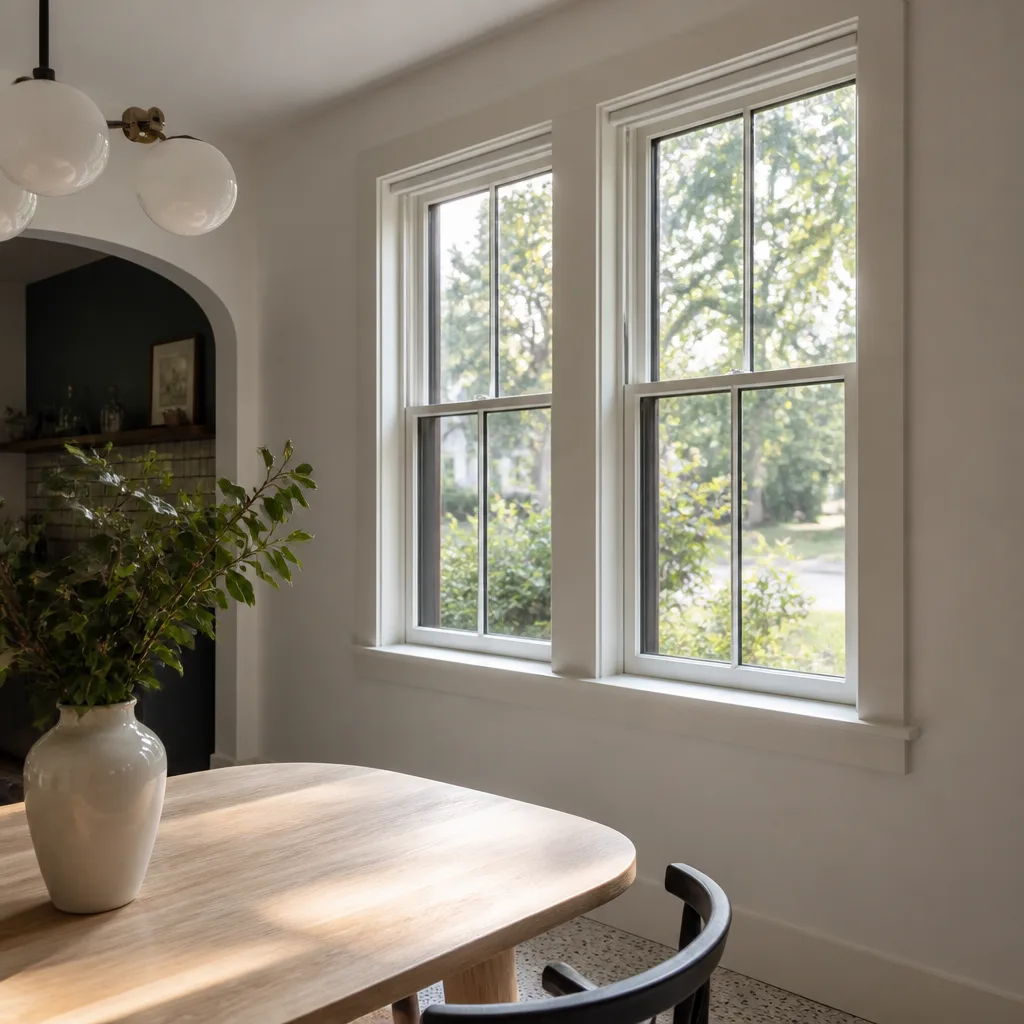
Spring is also the right time for anything that touches the roof or exterior envelope. Replacing windows and doors, re-roofing, and adding exterior fencing all benefit from the mild window. A fencing project, a fence installation, or a home addition scheduled for March through May gets the best of the year’s weather.
For anything larger, including a home addition or an ADU, spring planning matters even more. An addition that runs from March into summer has a much better chance of finishing on time, and the ADU market in Spring Valley continues to grow. Custom builds and modern prefab options from providers like Dvele, Boxabl, and Mighty Buildings compress timelines significantly, and starting the process in spring keeps the whole project in the favorable window. Scheduling a home additions & ADU project in March gives you a full season before the heat.
The UV Degradation Calendar: What Fails Faster Here
The ultraviolet exposure in Spring Valley is one of the biggest single factors in how fast exterior materials wear out. Manufacturer specs are often written for average national conditions. In the valley, the actual replacement cycles are frequently shorter, and knowing which materials are affected can save a lot of expensive surprises.
- Exterior sealants and caulk: Clear or paintable caulk in direct sun can degrade in a few seasons here rather than the many years a spec sheet might suggest. Reapplication should be part of the yearly pre-monsoon checklist, not a once-a-decade task.
- Window seals and weatherstripping: The seal between the frame and the glass, and the weatherstripping around the sash, both take UV damage. If you see fogging between panes or hear wind at the edge of a closed window, the seal is failing. Energy-efficient windows and impact windows from established manufacturers hold up better over time, but any window seal needs some attention in this climate.
- Composite decking: Composite materials are more UV-stable than they used to be, but they still fade and, in some cases, get hotter underfoot than natural wood. It’s worth choosing a system rated for high-heat, high-UV climates.
- Paver sealers: A sealer on your driveway or patio takes the brunt of the sun. In Spring Valley, plan to reseal more often than the product label recommends, and use a sealer rated for desert UV exposure.
- Exterior paint and stucco finish: Paints fade and chalk faster on south- and west-facing walls. That’s a fair signal that those surfaces need attention sooner.
The simplest rule: any exterior material that depends on a sealant, a coating, or a flexible joint will have a shorter replacement cycle in Spring Valley than a national spec sheet says. Build that into the plan and you stay ahead of it.
Choosing Materials That Survive the Valley
Material selection is the other half of the maintenance calendar. A home in Spring Valley that’s built with brands and systems rated for high UV and temperature swings will need less maintenance, and less frequent repairs, than one built with the cheapest options. The good news is that none of this requires paying for a premium tier everywhere. Choosing the right system for each part of the house is the whole game.
On the roofing side, systems from GAF, CertainTeed, and Owens Corning are all widely warranted residential products, and any of them can perform well here if installed to spec. The installation matters as much as the brand, which is why we push for a written scope of work on every roof project. On the exterior siding front, James Hardie fiber cement is the category benchmark for durability and warranty coverage, and it handles the heat and lack of moisture in the valley well.
For hardscape, the paver lineup matters. Belgard, Unilock, Tremron, Techo-Bloc, and Cambridge Pavers all have documented load and freeze-thaw ratings, and they hold up well to the thermal cycling of a Spring Valley summer. Fencing is similar: Master Halco, Ameristar, Jerith, Barrette, and Bufftech all offer aluminum, steel, vinyl, or composite systems with published specs, and choosing the right material for your property line makes a big difference. If you’re planning a window upgrade, impact-rated and energy-efficient systems from PGT, CGI, and ECO Window Systems cover both storm performance and thermal efficiency in one trade.
The point is not that one brand is best. It’s that there’s a real choice at every price point, and it’s worth having a contractor who can speak to the differences rather than steering you to one product. You get to choose your material and trust the installation, which is how we like to work in Spring Valley.
Common Mistakes to Avoid
- Treating June like any other month. In Spring Valley, June is the last chance to seal and inspect before monsoon moisture arrives in July. If you skip it, you’re leaving your house exposed to the heaviest rain of the year.
- Replacing a window seal without checking the frame. A fogging window is often a symptom, not the root cause. The frame and its attachment to the wall matter just as much as the glass.
- Waiting until winter to think about irrigation. By the time the first freeze is in the forecast, it’s often too late to drain lines without a scramble. Put the freeze prep on the calendar in late fall, not in the middle of a cold snap.
- Scheduling a major pour in July. Summer concrete curing is tricky. A slab poured in the heat can crack or cure unevenly, and a spring pour is easier on everyone.
- Assuming the national maintenance calendar applies. The fall-gutter-clean, spring-A/C-checkup routine is not a match for Spring Valley’s weather. The highest-risk month here is August, not October.
- Choosing the cheapest paver sealer. A sealer that isn’t rated for desert UV won’t survive long, and resealing more often costs more in the long run than buying the right product once.
- Ignoring stucco crazing. Fine cracks look cosmetic, but they’re an entry point for water. Deal with them in September, before the winter.
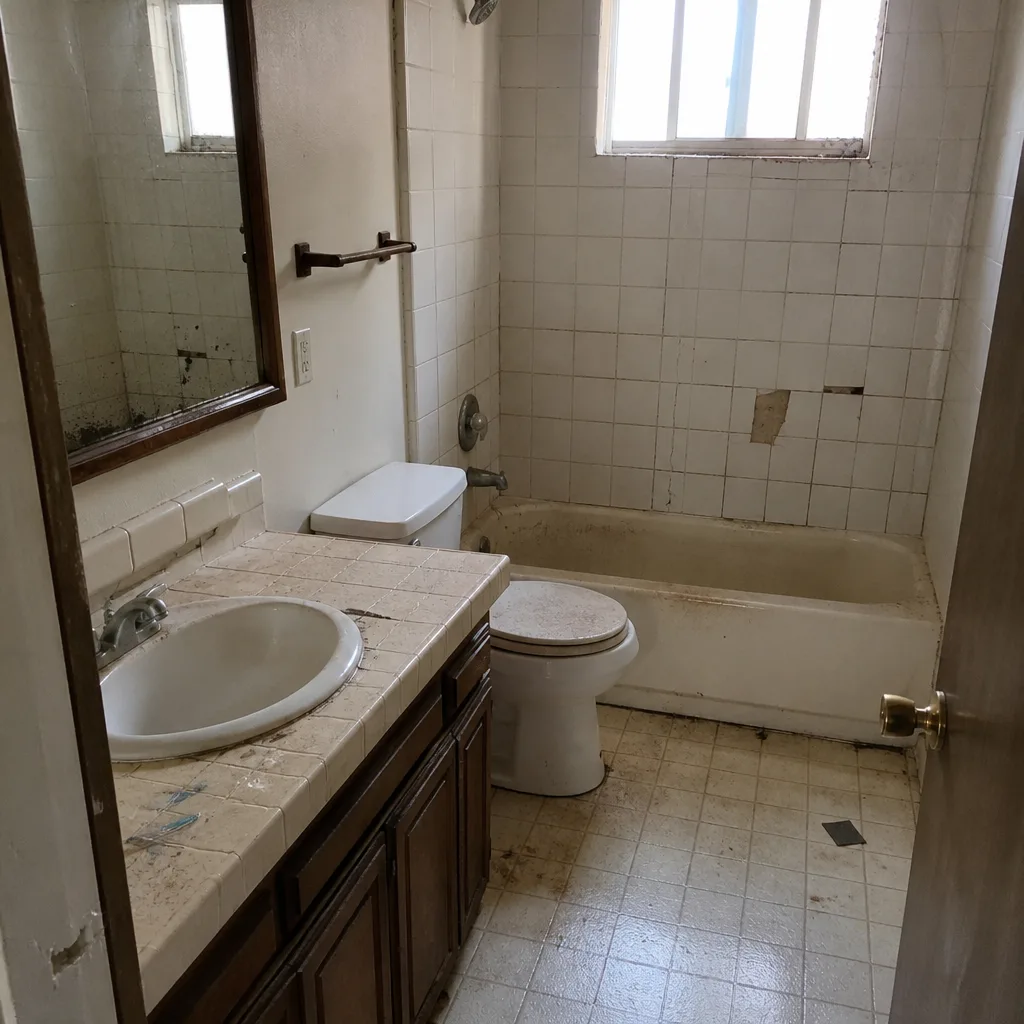
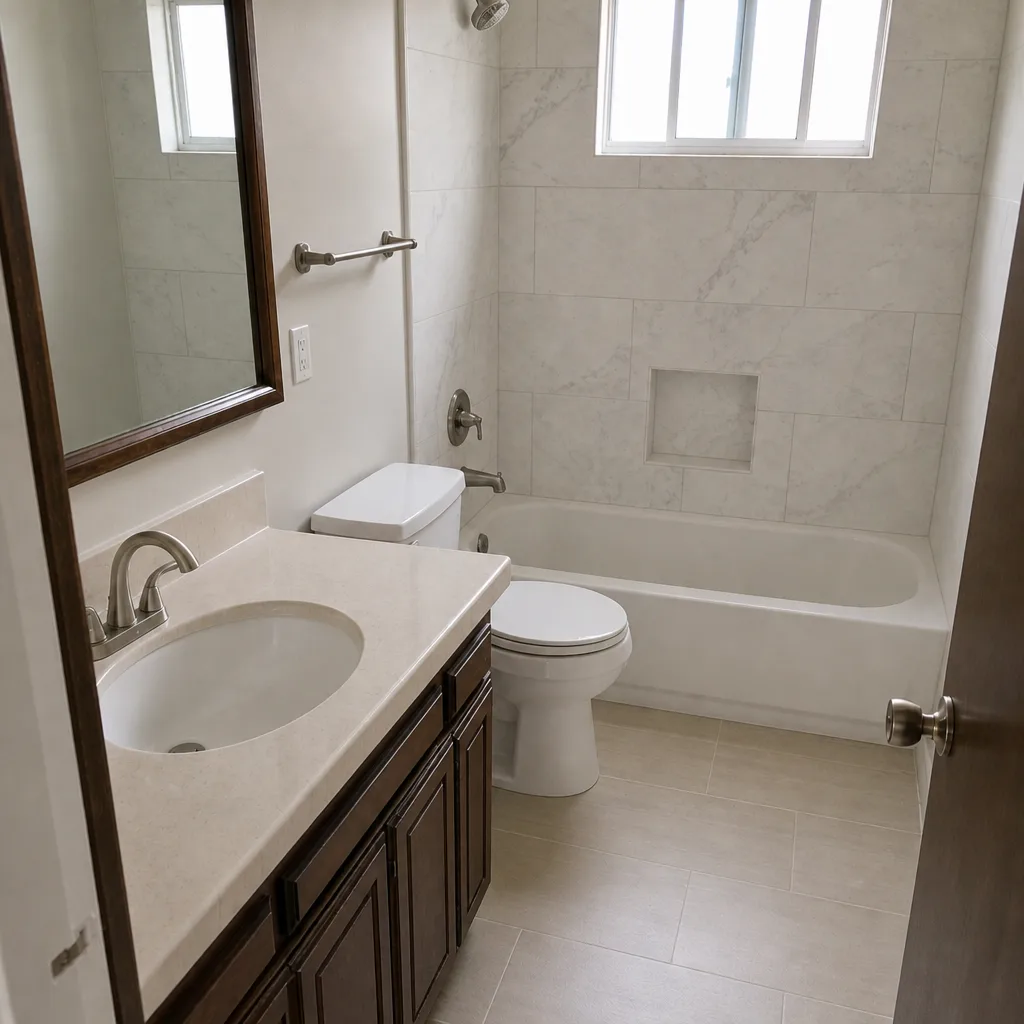
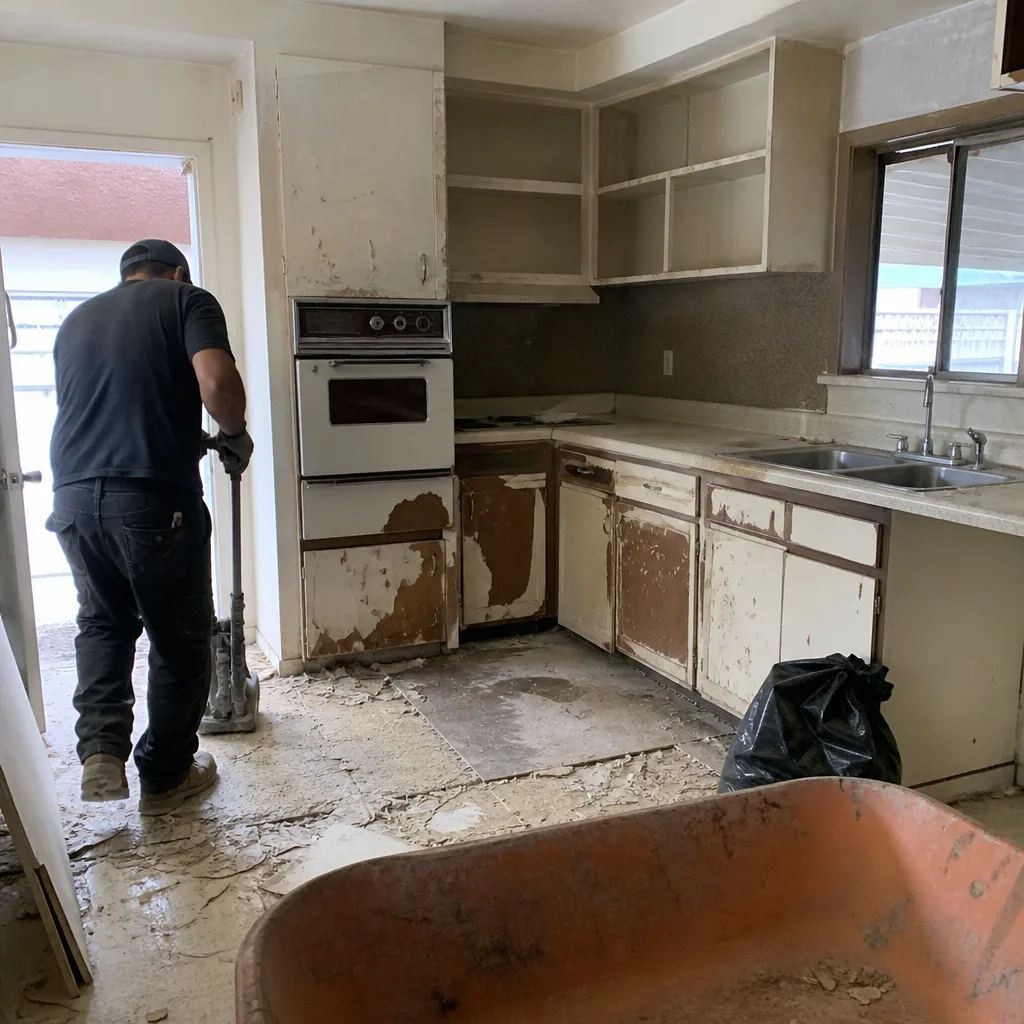
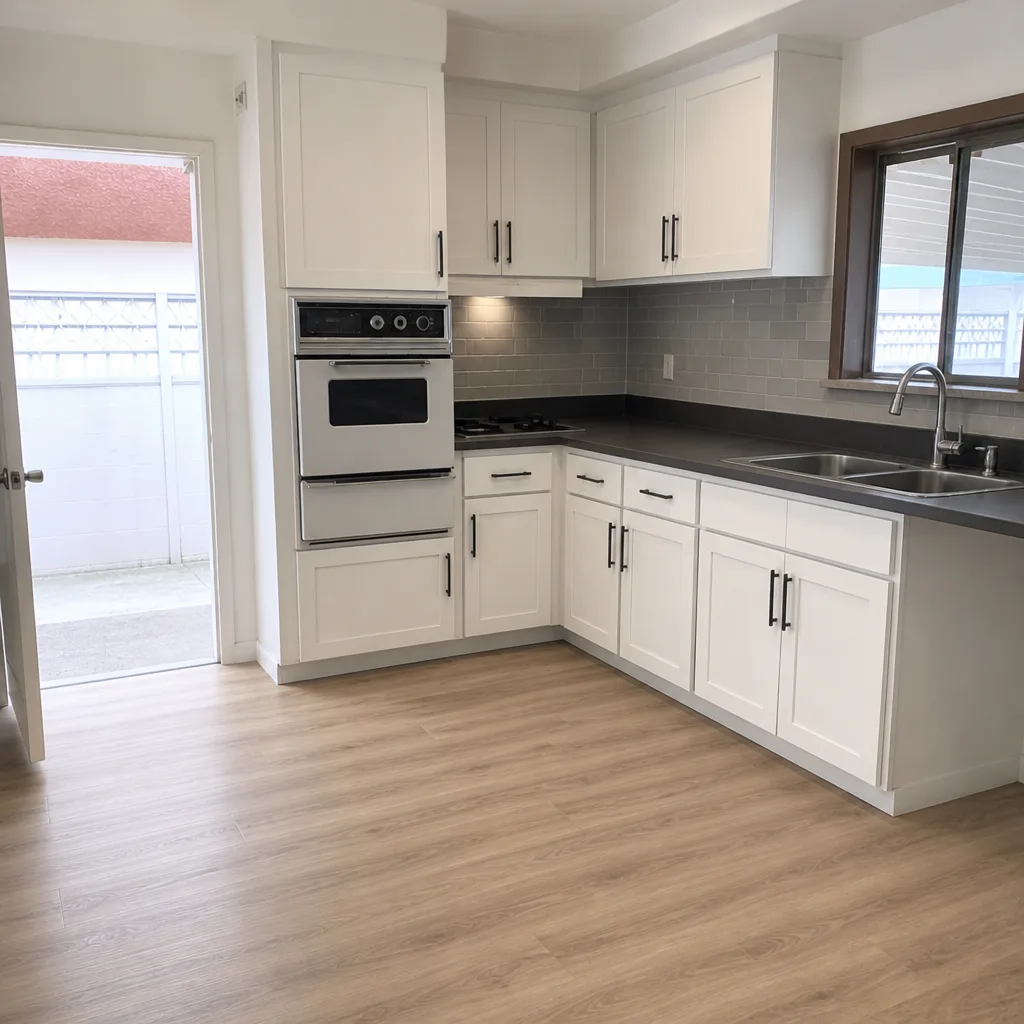
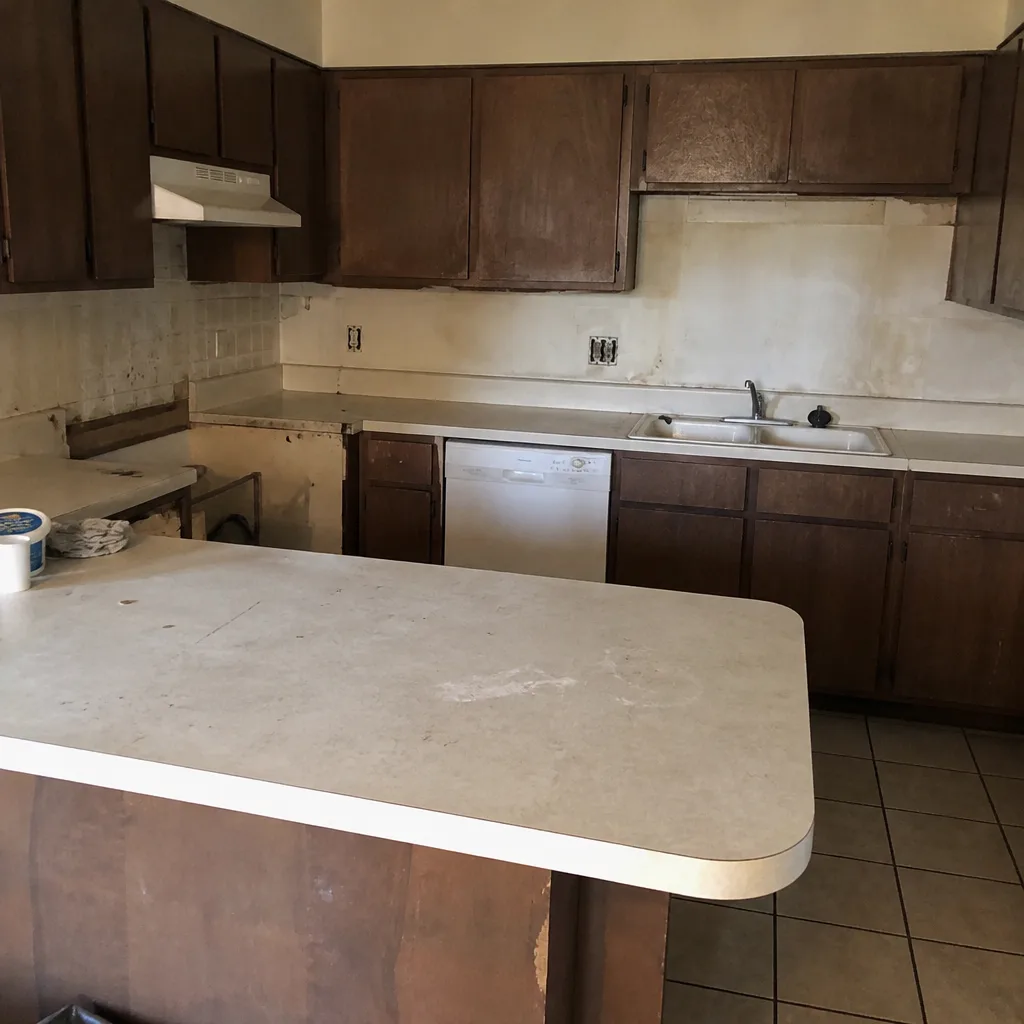
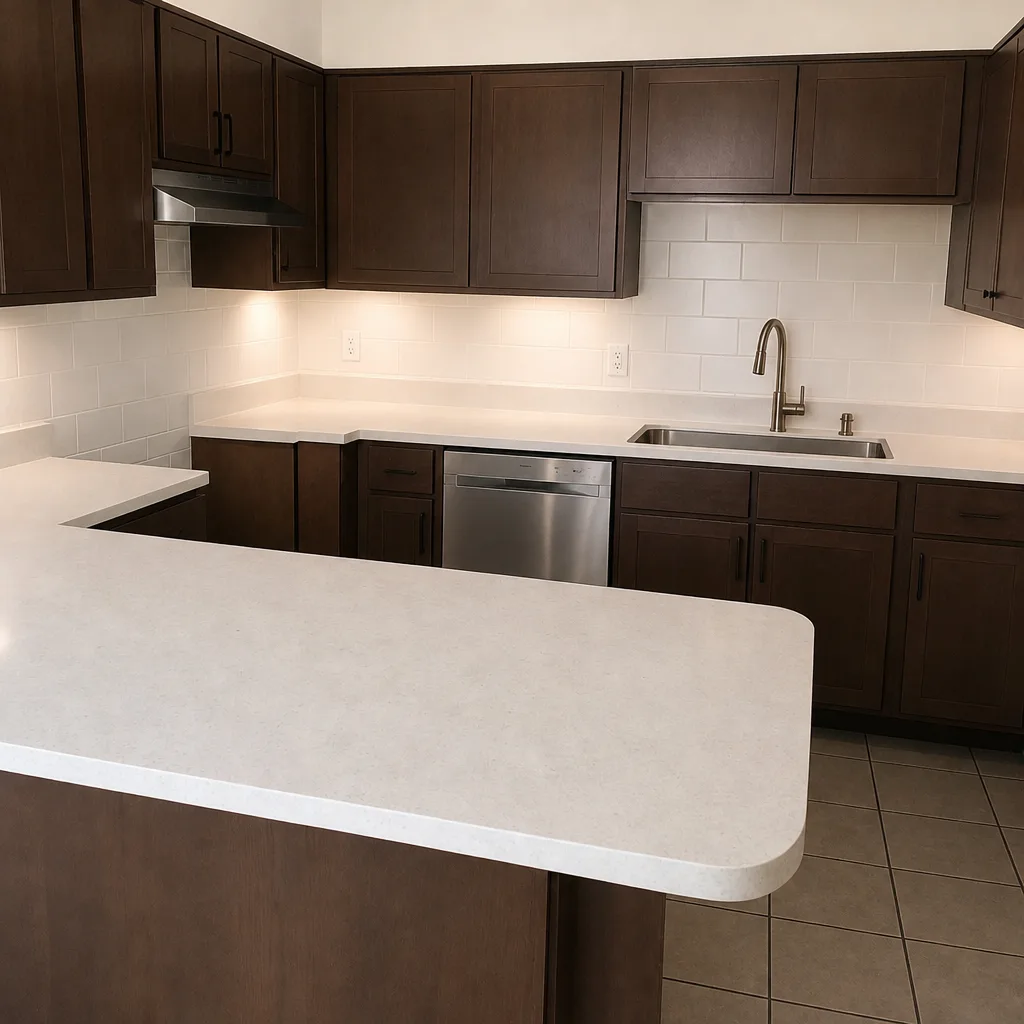
See the difference
 Before
 After
 Before
 After
 Before
 After
When to Call a Professional

Most of the calendar in this guide is homeowner-friendly. You can walk your roof, check your seals, drain your irrigation, and inspect your pavers on your own schedule. But there are some points where a professional call is clearly the right move. If your stucco is cracked, hollow, or showing water stains, if your roof has visible damage or you’ve seen water in the attic, or if your paver base has failed so badly that the surface is uneven, you’re past the DIY stage. If you’re scheduling a home addition, an ADU, or a major exterior project, planning help is essential to make the spring window. Construction Spring Valley offers free estimates in Spring Valley, and our technicians have up to 12 years of experience. Call (844) 560-4461 for a written, itemized quote. We answer 24/7. Fast dispatch from 7am to 7pm, Sunday through Friday.
Frequently Asked Questions
March through May is the best window for exterior construction in Spring Valley. The temperatures are mild, the monsoon is still months away, and there’s time to finish the project before the summer heat sets in. Concrete curing, stucco work, re-roofing, and paving all perform best in that window, so this is when to book the estimate.
Yes, if your system has an exposed backflow preventer or above-ground lines. Spring Valley gets occasional sub-28°F nights, and an undrained backflow preventer can crack and leak. Draining in late fall is a small task that prevents a much bigger repair. If you’re not sure how to do it, we can help you plan the winterization.
More often than the product label usually recommends. The UV exposure here shortens the effective life of most sealers, so plan on a shorter cycle than a national spec sheet suggests and use a product rated for desert UV. It’s worth including resealing in your fall checklist. Call (844) 560-4461 for a free estimate on paver repair or reseal.
Check every roof penetration, the flashing at wall and roof intersections, and the condition of the shingles or membrane. Roof penetrations are the most common water entry points in valley homes. If you’re not comfortable on a roof, have a professional inspect it. We can walk through the pre-monsoon checklist with you and quote any repair needed.
No. We quote a fixed, written price based on a specific scope of work, and that’s the price. Material and labor costs are set in the estimate, and the only changes come from clearly documented changes to the scope, which we present and get approved before doing anything. That’s how a written quote is supposed to work.
Yes, and spring is the ideal time to start. Custom additions and prefab or modular systems from providers like Dvele, Boxabl, and Mighty Buildings can be planned and scheduled so the heavy work happens outside the summer heat. Starting the process in March gives you the best chance of a smooth build. Call us to discuss your property and the options.
The Bottom Line
Spring Valley homes need a maintenance calendar built for the valley, not borrowed from a milder part of the country. The year breaks into four phases: June pre-monsoon prep, September post-monsoon assessment, fall and winter freeze protection, and the March – May construction window. The most critical work happens in June, when you have one last chance to seal and inspect before the summer storms. Get that right, stay on top of UV-related material wear, and choose systems rated for the heat, and your home will hold up through every season the valley throws at it.
If you’re ready to plan a project, or you just want a second opinion on what the last monsoon did, call (844) 560-4461 for a free estimate. We’ll walk the property with you, quote what needs doing, and put the work on a schedule that fits the valley’s weather. One contractor, every scope, from the driveway to the roofline.
Written by the team at Construction Spring Valley.