
Last updated November 18, 2026


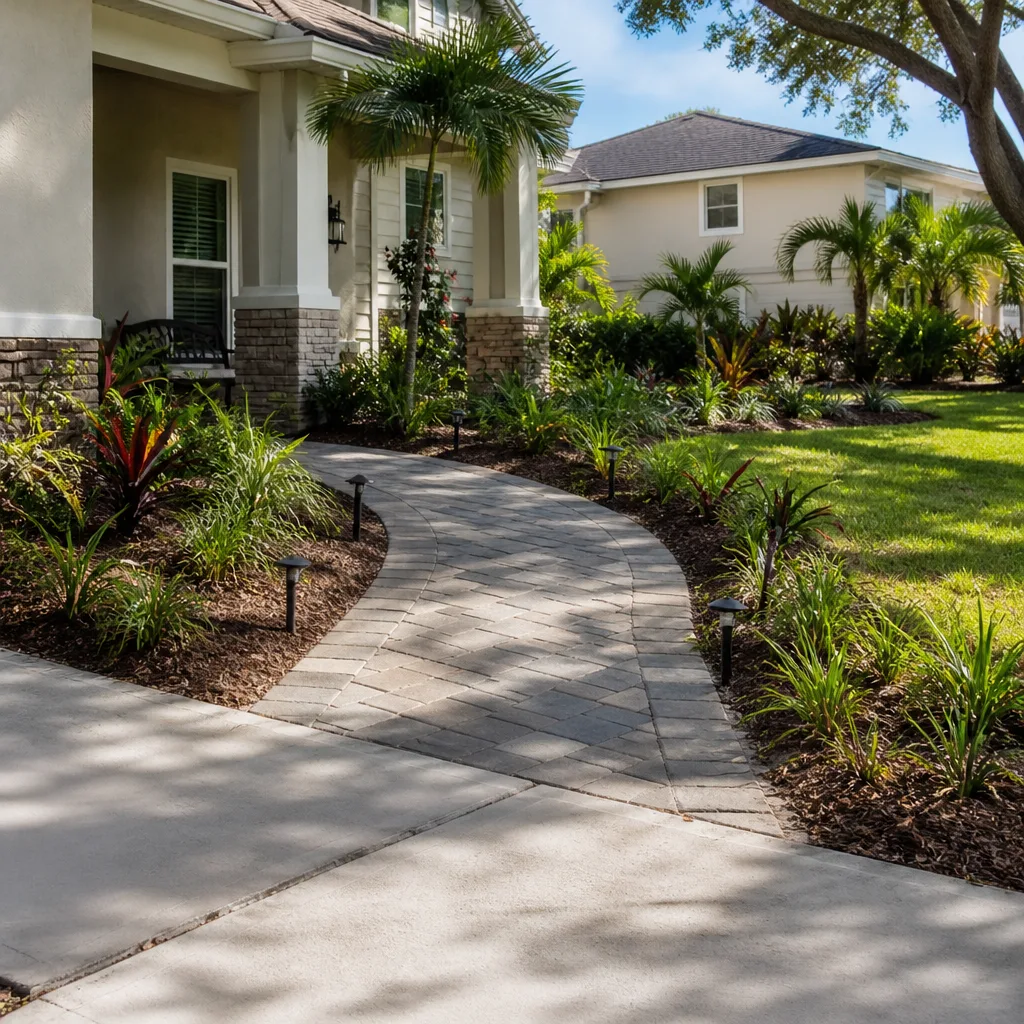





Free written scope consultation - allowances, timeline, and change-order rules on paper before a single trade is scheduled
Construction Emergency Preparedness Guide for Spring Valley Homes
Most Spring Valley homeowners treat a construction emergency as a freak event, something that happens to somebody else on a bad day. The truth is narrower and more useful: the emergencies that hit homes here tend to be the ones the owner already had a fair warning about. A roof penetration that has been showing a water stain since last season. A window seal that whistled a little when the wind picked up. A drainage run that pooled water in the same corner of the yard twice. None of those are surprises. They are queued-up failures waiting for the right weather.
This guide walks you through the two events that cause almost all the real damage to Spring Valley homes: monsoon water intrusion and the electrical strain that builds up when summer cooling load peaks. You’ll learn what to inspect before the season turns, what to do in the first hour of active water coming in, which emergency repairs are legal without a permit and which aren’t, and how to build a construction emergency file your insurance adjuster will actually respect. Read it once now, so you’re not reading it in a panic later.
Quick Answer
Construction emergency preparedness in Spring Valley means two things: getting roof, window, and drainage inspections done by June 15 so you’re ahead of monsoon onset, and keeping a ready file of contractor records, permits, and warranty documents so both a repair crew and an insurance adjuster can move fast when water or electrical trouble hits. The homes that come through a monsoon or a summer outage with the least damage are almost always the ones that did a little inspection work months earlier.
Styles & brands we work with
- Kitchen remodeling
- Bathroom remodeling
- Home additions & ADU
- Roofing
- Windows & doors
- Driveway & pavers
- Fence
Table of Contents
- Why emergency prep looks different in Spring Valley
- The pre-monsoon checklist: what to inspect by June 15
- What to do in the first 60 minutes of water intrusion
- Emergency tarping: what holds up and what needs a permit
- How to build your construction emergency file
- When you need a licensed structural engineer before anyone touches it
- Summer electrical load: the second emergency you should prepare for
- Prep jobs worth doing now, by trade
Why emergency prep looks different in Spring Valley
Spring Valley sits in the Mojave, so the emergency profile of a home here is nothing like what a coastal or a rainy-climate homeowner plans around. We don’t lose sleep over salt air or annual freeze cycles. We plan for a long dry stretch that makes everything brittle and then a concentrated wet season that finds every weak point at once. The monsoon window isn’t a drizzle; it’s short bursts of heavy, wind-driven rain, and it always arrives after weeks of sun had dried out caulk, sealant, and roofing membrane.
That combination is what produces the pattern we see in the work we quote. A roof penetration or a window seal doesn’t fail the day the water hits. It fails quietly over a whole dry season and then shows you all of it in an afternoon. The single July 2023 monsoon event made the point at scale: Clark County processed more than 1,200 water damage claims, and most of those came from homes whose roof penetrations and window seals had been visibly degrading for a full year before the rain arrived. That’s not bad luck. That’s a maintenance timeline everybody could have seen coming.
The second half of the picture is summer cooling load. When every AC unit, evaporative cooler, and pool pump in a Spring Valley neighborhood runs hard through a summer afternoon, wiring that was borderline gets tested. We’ve seen what happens on a house that added a home office and an EV charger to a panel that had plenty of room on paper but no real margin in practice. The fix is usually a real electrical evaluation before the heat, not a scramble after a breaker won’t reset.
Neither of those is exotic. Both are predictable. That’s the whole thesis here: prepared homes aren’t lucky, they’re early.
The pre-monsoon checklist: what to inspect by June 15
Monsoon onset in this part of Nevada typically sets up in the late-June to July stretch, which is why we push homeowners to treat June 15 as the deadline for a full inspection cycle. Anything you find after that date has to be repaired under pressure, sometimes during active rain, and that’s when temporary fixes get made that cost more to undo. Six weeks of margin lets you get the real repair scheduled instead of the emergency one.
Here’s the inspection sequence we recommend, in the order that makes sense for a Spring Valley home:
- Roof surface and penetrations. Walk the perimeter with binoculars and have anyone who goes up on the roof do so with fall protection. Look at the seals around vents, skylights, and any plumbing stacks. Look for lifted tabs, cracked flashing, and ponding stains on the underside deck from inside the attic.
- Window and door seals. Close and latch every exterior window and door. If you can see daylight, feel air movement, or see cracked weatherstripping, that seal will leak in wind-driven rain even if it never leaked in a straight downpour.
- Drainage and grade. Check the slope away from the foundation, the condition of any surface drains, and where water actually goes when it can’t soak in. The desert caliche under many Spring Valley lots sheds water more than it absorbs it.
- Gutters and downspouts. Look for separations, gaps at the fascia, and downspouts that dump next to the foundation instead of away from it.
- Stucco, siding, and trim. Tap for hollow spots and look for hairline cracks around window corners. If you’ve got fiber cement siding, a James Hardie installation is rated for durability, but the sealant joints are still a maintenance item.
- Attic and ceiling interior scan. Photograph every ceiling and every attic deck. A photo timestamp from June is a valuable document if a claim comes up in August.
Document the whole walk with dated photos. If you spot something that needs a real fix, get it quoted rather than patched, and if you want a second set of eyes, our team can walk it with you. Getting that inspection done and repairs scheduled before June 15 is the single highest-return hour you’ll spend on your home this year.
What to do in the first 60 minutes of water intrusion
When water is actively coming into a Spring Valley home, the first hour is about stopping damage and preserving your claim, not deciding whose fault it is. The order matters. Move in this sequence:
- Protect people, then the panel. Get everyone out of the affected area. If water is anywhere near outlets, switches, or the breaker panel, do not walk through it. Call an electrician before you touch anything, and shut off power at the main breaker only if you can reach it safely and dry.
- Stop the source if you safely can. For a plumbing leak, shut off the main water valve. For roof intrusion, you usually can’t stop the rain, so get containment in place instead. Never climb on a wet roof to investigate. Height and wet surfaces are the top way a bad day turns into an injury.
- Document before you move anything. Photos and video from multiple angles. Wide shots showing which room, close shots showing the water and the damage. Note the time. Most insurance adjusters care far more about a clear, dated record than about a heroic cleanup story.
- Contain and move what’s movable. Buckets, towels, and moving furniture and electronics out of the drip path. Don’t pull wet drywall or ceiling off; leave the demolition evidence for the adjuster or a professional.
- Call in this order: your insurance carrier’s claims line, then a contractor to assess and stabilize, then a water-damage restoration specialist if the wet area is large enough that mold risk is real. If the water is near gas appliances, add your gas utility to the list first.
- Write down your own timeline. When you noticed it, when you shut off the valve, who you called and when. A written log is what a claims adjuster will build on.
The most common error in that first hour isn’t failing to act; it’s acting destructively. Homeowners who rip out soaked drywall to “get ahead of it” often destroy the evidence the adjuster needs and turn a covered loss into a contested one. Contain the water, protect the structure, document everything, and let a professional do the demolition.
Emergency tarping: what holds up and what needs a permit
An emergency tarp on a leaking roof is legal and sensible, and it’s also the repair type that most often gets done badly enough to fail or to complicate a claim. A tarp that a Clark County inspector would accept as a stabilization measure is one that’s properly anchored, kept clear of sharp edges, and doesn’t attempt to be a permanent repair. A tarp that flaps off in the next wind gust and takes shingles with it is the kind of emergency fix that costs more than doing nothing.
The general standard is:
- The tarp overlaps the leak point by several feet on every side and runs under the existing shingles at the top edge.
- It’s anchored with weighted or mechanical fasteners placed where they won’t create new penetrations that become new leaks.
- It’s documented with photos before and after, because the adjuster will want to see the pre-tarp condition.
- It’s treated as temporary. Get a permanent repair on the schedule as soon as the roof is dry.
Here’s where the legal line sits. Temporary emergency measures like tarping, boarding, shoring, and water extraction are typically taken without a permit because they don’t change the structure’s use or footprint. Anything beyond that usually requires a permit even under emergency conditions. Roof decking replacement, structural changes, electrical or plumbing alterations, and any addition to the home do require permitting in most Spring Valley jurisdictions, and we’ve seen homeowners get burned by a contractor who started replacing a roof section during flood repair and pulled no permit. That’s a problem that surfaces at resale, at the next claim, or at inspection.
Our rule for clients is simple: a fair, real repair gets permitted. If a crew offers to fix something structural “as a favor to save you the time,” that’s the moment to slow down. Ask your city’s building department what’s required for your specific repair scope, and ask any prospective contractor for their permit plan before work starts.
How to build your construction emergency file
Here’s the thing most homeowners miss about insurance claims: the adjuster isn’t deciding whether you were careless. They’re asking a records question. What was on the roof? What materials were used? When was it installed? Who did the work, and under what permit? A homeowner with a tidy file gets a fast claim. A homeowner who can’t produce a warranty or permit record gets weeks of back-and-forth, sometimes a denied or reduced payout, and usually a better-managed second contractor situation going forward.
Build the file as a single folder, physical and digital, and get it complete before anything happens. It should include:
- Contractor license numbers and contact info for anyone you might call in an emergency. Confirm the numbers are current before you save them.
- Permit records for every permitted scope on the home, including the final inspection sign-offs.
- Warranty documents for roofing, windows, doors, siding, hardscape, and any installed cabinetry or surfaces. Keep the original registration in the file.
- Material specs for anything installed, including brand and product line. This matters because GAF, CertainTeed, and Owens Corning shingles, or a Cambria quartz surface, have different warranty terms and different replacement-path documentation.
- Dated photos of the home in normal condition, taken on a clear day, from multiple angles.
- Insurance policy and endorsement pages. Know what’s covered, and what deductible applies for a wind or water event.
- A list of your go-to contractors, one per trade, with a note of who answers the phone quickly. In an emergency you want the number already at hand, not one you’re looking up from a wet couch.
Keep a physical copy in a dry, easy-to-reach spot, and a digital copy in cloud storage you can reach from your phone. One of the small but real advantages of working with a single contractor across multiple scopes is that the file gets simpler. Instead of chasing eight trades for warranties and permits, the paperwork for our scopes under the Construction Spring Valley umbrella stays organized as one set.
When you need a licensed structural engineer before anyone touches it
This section matters more than any other for your safety and your wallet. There are failure indicators in a Spring Valley home that need a licensed structural engineer’s eyes before a contractor is allowed to start any repair, emergency or not. A crew that starts fixing before the engineer signs off can make the situation worse and can take on liability that will end up back at you. Our technicians have up to 12 years of experience working on homes in this valley, and every one of them knows to step back when they see any of the following.
- Sagging or new deflection in a ceiling, header, or roofline that wasn’t visible a week ago. New sagging is a load path problem, not a drywall problem.
- Cracks in foundation, stucco, or interior walls wider than a hairline, especially diagonal cracks above door and window corners, or stepped cracks in any exterior hardscape or masonry.
- Sticking doors and windows that suddenly don’t operate the way they did before a rain event, which can signal movement in the structure.
- Water intrusion that has clearly spread under the slab, into a header, or across a load-bearing wall, or any water damage where you can’t see the full extent.
- Any gas smell, visible scorching, or heat damage near a panel or appliance that suggests an electrical or gas event preceded the water or construction problem.
- Additions with unclear engineering history, where a prior remodel didn’t produce a permit or an engineer’s letter.
A structural engineer’s report is a few hundred dollars as an order of magnitude and can save many thousands in a botched repair or a denied claim. We know a fast repair feels right in the moment, and we’ll be honest with any Spring Valley homeowner: if the indicators above show up, the fastest safe path is to get the engineer out before the tarp goes on. That’s not delay. That’s the thing that prevents a second, larger emergency.
Summer electrical load: the second emergency you should prepare for
The other half of the Spring Valley emergency picture has nothing to do with water. It’s the electrical load that builds up every summer as cooling demand peaks and everything else on the home runs at once. On a property that has added square footage, an EV charger, a pool pump, or a home office since the panel was last evaluated, the wiring can be right at its edge for months before something fails.
The warning signs are worth knowing, because catching them before summer is almost always cheaper and safer than catching them after:
- Breakers that trip and stay tripped, or that feel warm to the touch.
- Lights that dim or flicker when the AC kicks on.
- A faint burning smell near outlets or in the panel area. If you smell this, treat it as an emergency and call an electrician, not a contractor.
- Warm or discolored outlet plates, or buzzing from the panel.
- A panel that’s full with tandem breakers added to keep pace with the load.
- An outdoor AC unit that trips the main breaker when it starts.
Electrical work is not a do-it-yourself scope for a homeowner, even a capable one. The panel, the wiring, and the grounding path are the part of your home where a mistake can be fatal and where a bad install can void insurance coverage after a fire. If a pre-summer electrical evaluation is on your list and your panel is old or crowded, that evaluation belongs in the same June 15 bucket as the roof inspection. Electrical safety belongs to a trained professional, and we’ll always say so.
If a summer outage hits and you’ve had an AC system fail, don’t try to nurse it through a hard day with a window unit plugged into a circuit that wasn’t built for it. Call a licensed electrician and get the circuit checked. If the failure has caused visible damage to a wall, ceiling, or floor, we can step in on the repair scopes we handle.
Prep jobs worth doing now, by trade
Preparation isn’t only inspection and paperwork. Some of the work you’d otherwise do as a scramble after a monsoon is better done as a scheduled job before the season. Here’s what we look at when a Spring Valley homeowner asks us where to spend their prep budget.
Roofing
The roof is the highest-priority item because it’s the first thing the monsoon tests and the hardest to fix in the rain. Get a professional inspection on the calendar and have any degraded flashing, sealant, or decking fixed while the weather is dry. Roofing systems from GAF, CertainTeed, and Owens Corning are the most widely warranted in the residential market and give you a real warranty path if something goes wrong after installation.
Windows and doors
Every exterior seal is a water entry point. Windows and doors that don’t seal properly are the second-largest source of monsoon claims after the roof. If your windows are older or your seals are failing, replacing them before the season is a prep job, not a luxury. Impact-rated and energy-efficient windows and doors from PGT, CGI, ECO Window Systems, Therma-Tru, and ViewLux cover both storm performance and thermal efficiency in a single upgrade.
Driveway and pavers
Hardscape that pitches water toward the house is a problem waiting to happen. If your driveway or patio has settled or drains toward the foundation, get it re-graded before the rain. Pavers from Belgard, Unilock, Tremron, Techo-Bloc, and Cambridge Pavers are manufactured with published load, fade, and freeze-thaw ratings, so you’re choosing from systems with documented performance, not guesswork. When you schedule driveway & pavers work for a spring timeframe, ask your contractor to check the drainage slope as part of the scope.
Fencing and yard security
A wind event that takes down a fence can expose the property and complicate the next storm if the debris isn’t cleared. Fencing from Master Halco, Ameristar, Jerith, Barrette, and Bufftech covers aluminum, steel, vinyl, and composite systems, and a post check before the wind season is worth the hour. Fence installation is one of the seven scopes we handle, so the repair and the replacement happen under the same contractor rather than two vendors in a standoff.
Interior repairs and additions
If your home has an older remodel that never got permitted, or an addition that needs a structural evaluation, address it in the prep window. Unpermitted work is exactly the kind of problem that turns a routine claim into a contested one. If a bigger addition or an ADU is in your plans, this is a good moment to think about whether the new structure also carries some of the home’s storm and water-management burden. Our home additions & ADU work covers both custom and prefab avenues, with prefab systems from Abodu, Boxabl, Dvele, Mighty Buildings, and Plant Prefab available when a compressed timeline is the priority.
For kitchens and baths that would be part of a larger renovation rather than a pure repair, the material stack matters more than most owners expect. Cabinetry from KraftMaid and Wellborn, quartz surfaces from Cambria, Silestone, and Caesarstone, and fixtures from Kohler, Moen, Grohe, and Blanco give you real choices at both the premium and practical end, and they all come with published performance specs an adjuster can look up. When you work with one contractor across those interior scopes and the exterior ones, the schedule quietly gets simpler.
Common Mistakes to Avoid
- Waiting for the first rain to find the weak spots. A roof or a window seal that’s been slowly degrading over a dry season is a known problem, not a surprise, and the homeowner who inspects in May pays a fraction of the homeowner who patches in July.
- Ripping out wet drywall or ceiling before the adjuster sees it. Contain the water, document it, and leave the demolition evidence alone. Destroying that record can turn a covered loss into a fight.
- Climbing on a wet roof to investigate a leak. Every year, Spring Valley homeowners get seriously hurt doing exactly this. Height plus wet surfaces is a dangerous combination and it’s never worth it.
- Accepting a “no permit needed” structural repair. A repair that changes the structure of the home almost always requires a permit in Spring Valley-area jurisdictions. A contractor who offers to skip it is telling you something about how they operate.
- Keeping no warranty or permit records at all. When a claim hits, the adjuster asks what was installed and when. That’s a records question, and the file you built months earlier is what turns a slow claim into a fast one.
- Testing an electrical panel you don’t understand. Breakers that trip, a warm panel, or a faint burning smell are emergencies. Call a licensed electrician and don’t open the panel cover yourself.
- Letting a fast repair start before the structural picture is clear. A sagging header or a stepped crack needs an engineer’s eyes before a contractor is allowed to lay hands on it. Speed at the wrong moment makes the liability worse.
See the difference
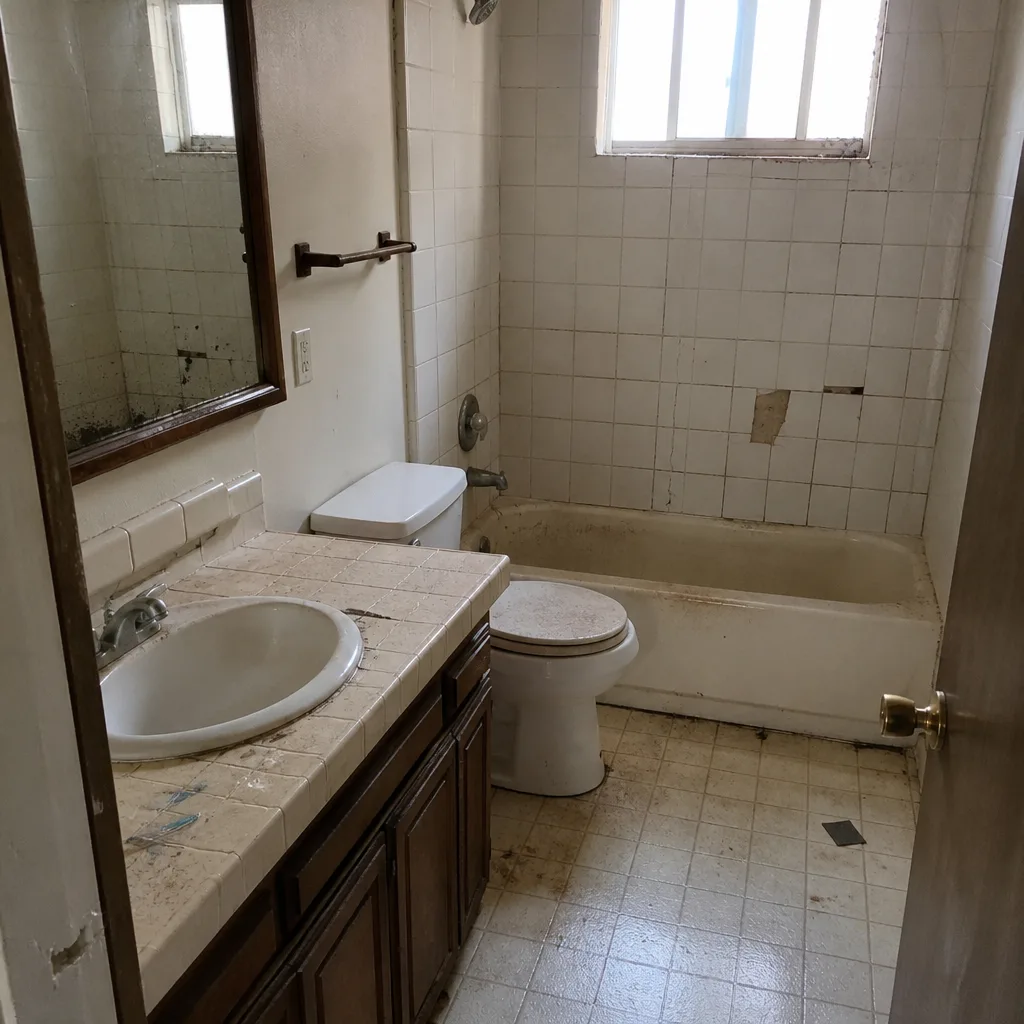 Before
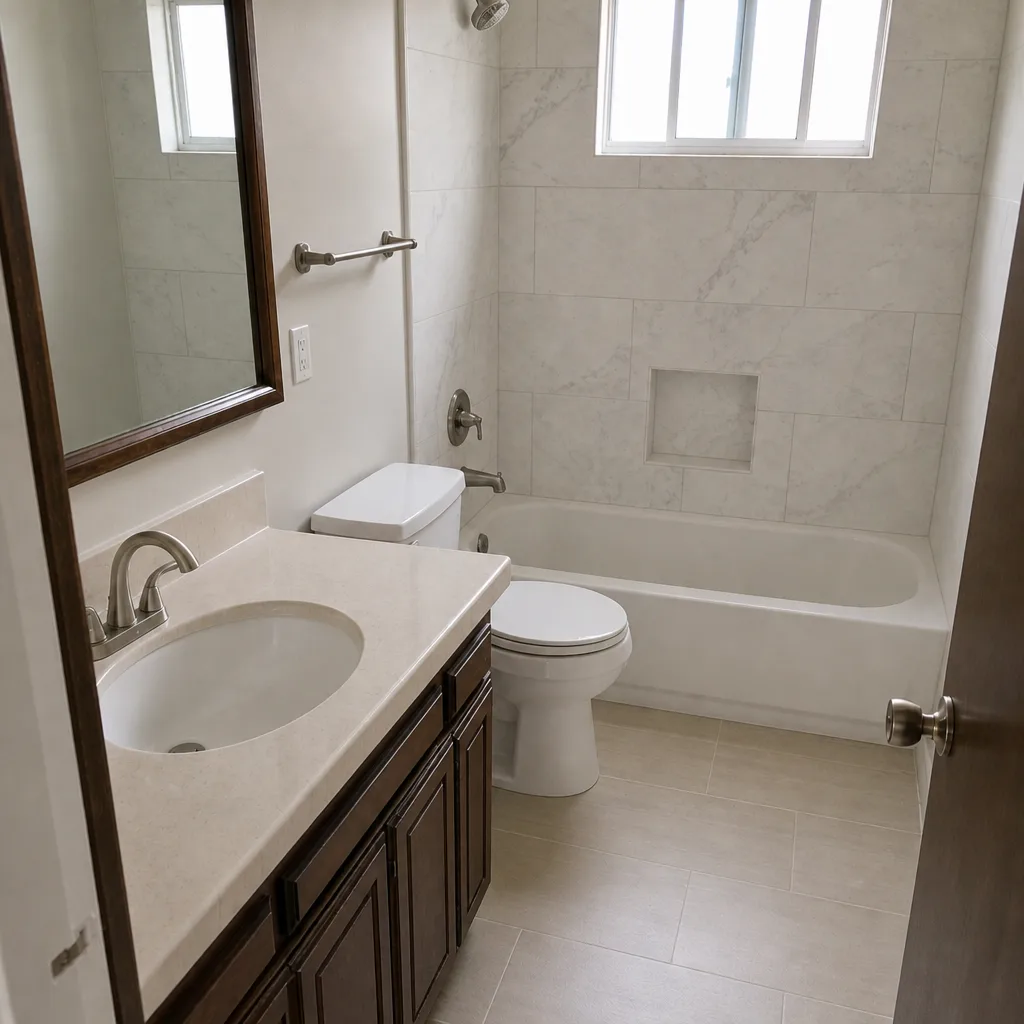 After
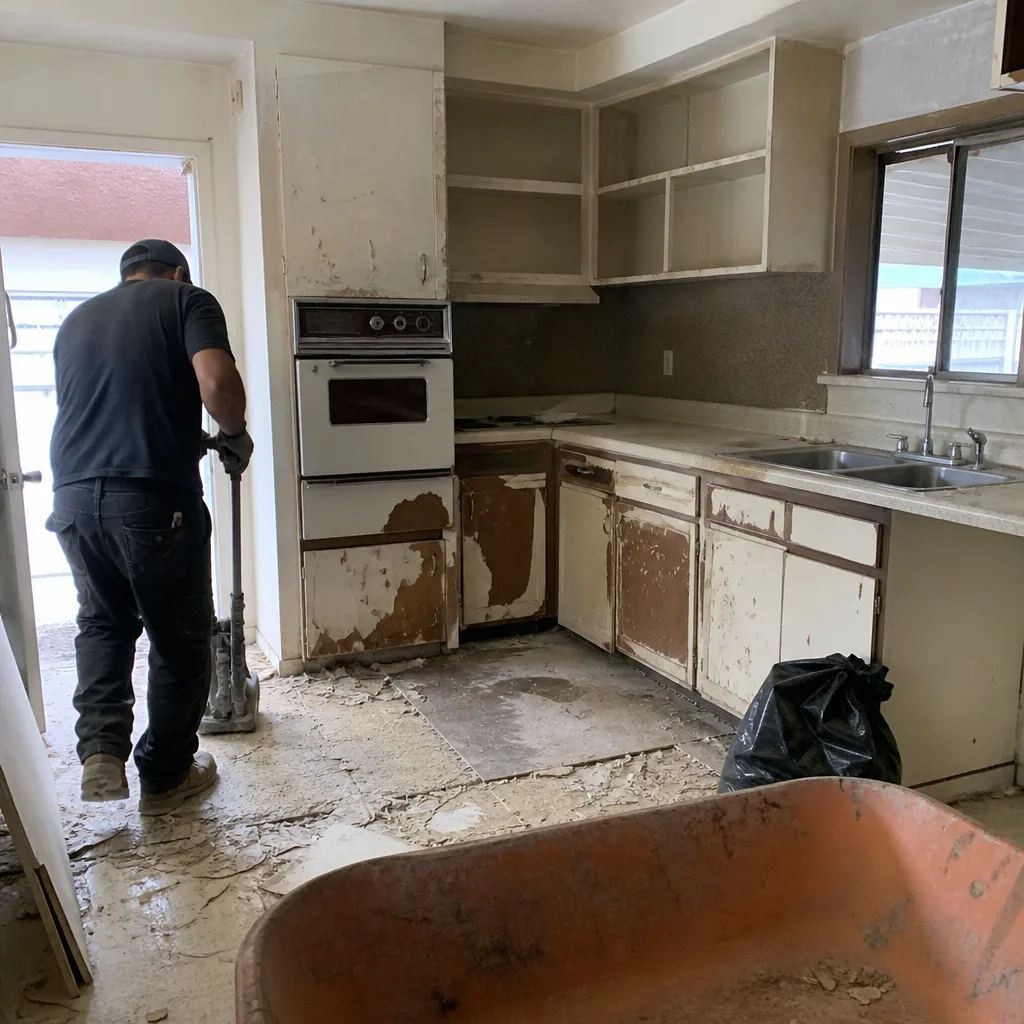 Before
 After
 Before
 After
When to Call a Professional
Some emergencies clearly need a professional at the door: water crossing near an electrical outlet, a ceiling that’s sagging or bubbling, a gas smell, a panel that’s sparking, a roof section that’s lifted, or any of the structural indicators we covered above. Others are judgment calls, and the judgment we’d offer is simple: if water has been moving inside your walls or ceiling for more than a few minutes, if you’re not sure the structure is stable, or if the scope is bigger than a single tarp, call. Self-triage in a construction emergency has a way of turning a contained problem into a permanent one.
Construction Spring Valley offers free estimates in Spring Valley. We handle roofing, windows and doors, driveway and pavers, fencing, home additions and ADU, kitchen, and bath under one coordinated contract, so a single call gets you a real assessment instead of a runaround. We answer 24/7. Fast dispatch from 7am to 7pm, Sunday through Friday. Call (844) 560-4461 to schedule your free estimate.
Frequently Asked Questions

The highest-return item is a professional roof and window-seal inspection done by June 15, before monsoon onset. That’s the part of the home most exposed to wind-driven rain, and it’s the part most likely to have degraded quietly during the dry season. Get that inspection on the calendar and fix anything it turns up before the weather turns. Call (844) 560-4461 for a free estimate.
The first step is protecting people, then the electrical system: get everyone clear of the affected area and don’t walk through water near outlets or a breaker panel. If the water is from a plumbing leak, shut off the main valve if you can reach it safely. Then document the damage with dated photos before you move or remove anything. After that, call your insurance company, then a contractor to assess and stabilize. Call (844) 560-4461. We answer 24/7. Fast dispatch from 7am to 7pm, Sunday through Friday.
A temporary tarp is a legally fine stabilization measure in most Spring Valley-area jurisdictions because it doesn’t change the structure’s use or footprint. What needs a permit is anything beyond tarping: replacing roof decking, structural work, electrical or plumbing alterations, or a permanent repair that changes the building. Ask your city’s building department about your specific scope, and ask any contractor for their permit plan before work starts.
Yes, in almost every case. An adjuster’s job is largely a records question: what was installed, who did the work, under what permit, with what warranty. A homeowner who can produce a tidy file gets a faster claim and fewer back-and-forth calls. A homeowner who has to reconstruct those records after an event usually gets a slower claim and sometimes a reduced one. Build the file before you need it. Call (844) 560-4461 if you want a second set of eyes on your existing records.
Any time you see new sagging in a header or ceiling, stepped or diagonal cracks in a wall or foundation, sticking doors and windows that have suddenly changed, or water intrusion whose full extent you can’t see, an engineer should look at it before a contractor lays hands on it. The report is a modest cost and the alternative is a repair that may not hold. If your Spring Valley home shows any of those indicators, get the engineer out first. Call (844) 560-4461 for a free estimate on the repair scopes once the engineer signs off.
A small plumbing leak you can identify and contain, sure, if you’re confident and the water isn’t near electrical. Anything in the panel, any wiring, any burning smell, and any work inside a wall is not a do-it-yourself scope. The risk to a homeowner working on a panel is serious and the risk to coverage after a bad install is real. Electrical safety belongs to a trained professional, and that’s a line we won’t cross ourselves. Call (844) 560-4461 to schedule a free estimate.
The Bottom Line
Spring Valley construction emergencies are predictable. Monsoon water intrusion and summer cooling-load electrical failures are the two events worth planning around, and both give you a long, quiet warning if you’re paying attention. Get the roof, window-seal, and drainage inspections done by June 15. Have a first-hour water-response plan so you know who to call in what order and you don’t destroy your own evidence. Know which emergency repairs are legal without a permit and which aren’t. Build the records file your adjuster will eventually want. And when a structural indicator shows up, call an engineer first, not a crew. Prepared homes aren’t luckier. They’re earlier. When you’re ready to put any of this on the calendar, we can walk it with you.
Construction Spring Valley offers free estimates in Spring Valley. From the driveway to the roofline, we cover roofing, windows and doors, driveway and pavers, fence installation, home additions and ADU, kitchens, and bathrooms under one contract. Our technicians have up to 12 years of experience, the material catalog spans more than 50 brands, and the estimate is free and written line by line. Call (844) 560-4461 to schedule your free estimate. We answer 24/7. Fast dispatch from 7am to 7pm, Sunday through Friday.
Written by the team at Construction Spring Valley.