
Last updated November 18, 2026


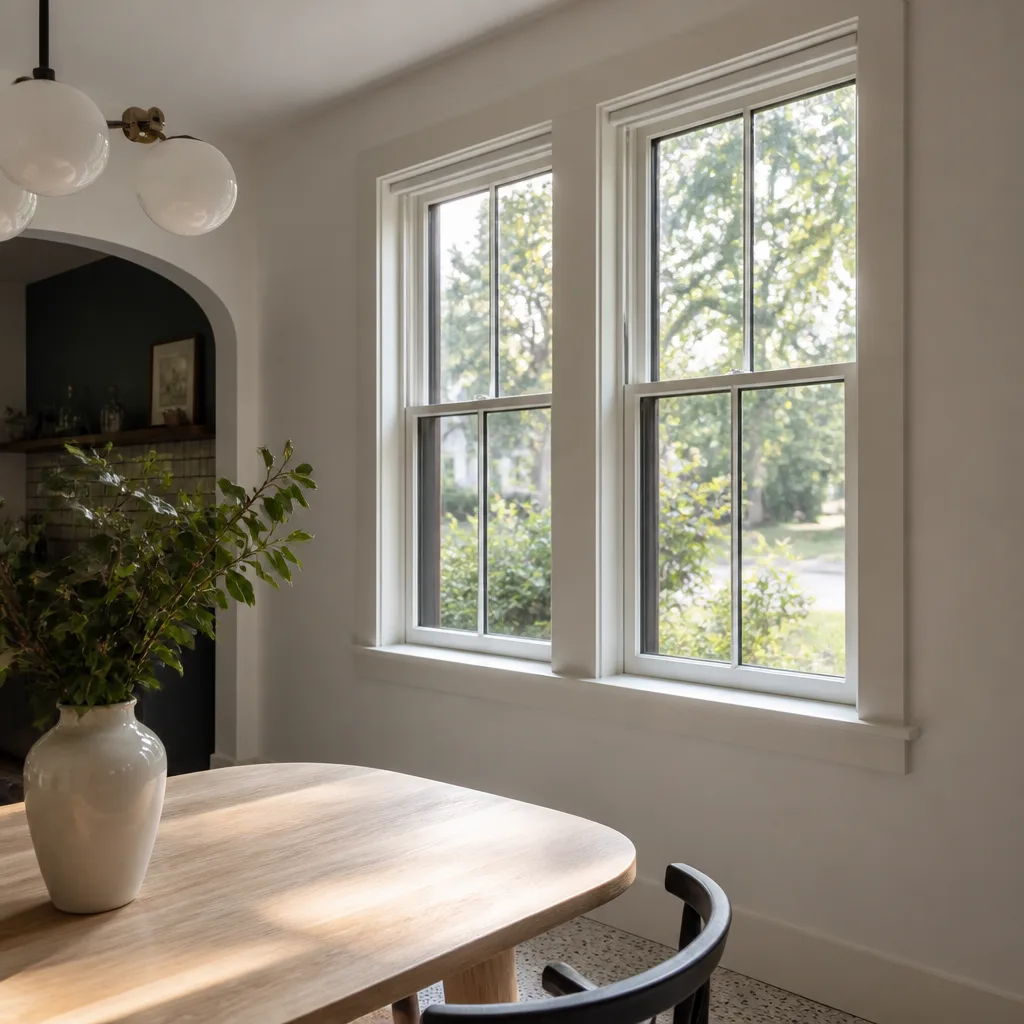

Free written scope consultation - allowances, timeline, and change-order rules on paper before a single trade is scheduled
DIY vs Professional Construction: The Spring Valley Homeowner’s Decision Guide
Most homeowners frame the DIY-versus-hire question as a skills test: can I do this myself, or do I need someone who can? That framing misses the real variable. In Spring Valley, the decision turns on permit exposure, HOA compliance, and how a small mistake behaves in a desert climate over time. A paver base that wasn’t compacted right, a roof penetration that wasn’t sealed to spec, a stucco patch over a moving crack: none of these fails loudly on day one. They wait. This guide walks through where DIY makes sense, where the law says you can’t, and how to read the actual cost comparison instead of the sticker price.
Quick Answer
Hire a licensed professional in Spring Valley for any structural, electrical, plumbing, roofing, or permitted work, and know that some of that work you legally cannot pull a permit for yourself. DIY is reasonable for cosmetic, non-permitted upgrades: painting, cabinet hardware, swapping a light fixture on an existing circuit, laying a small patio on an already-sound base. Where DIY goes wrong is at the boundary – permitted scopes done without a permit, base prep cut short, and HOA approvals skipped. The written estimate from a licensed contractor isn’t just a price. It’s a record of who’s responsible when something fails.
Styles & brands we work with
- Kitchen remodeling
- Bathroom remodeling
- Home additions & ADU
- Roofing
- Windows & doors
- Driveway & pavers
- Fence
Table of Contents
- What Nevada Law Lets You Do Yourself
- Where DIY in Spring Valley’s Climate Compounds
- The HOA Approval Step Most DIYers Skip
- The Real Math on a DIY Paver Patio
- Projects Where One Full-Scope Contractor Beats Coordinating Specialists
- How to Hire a Contractor in Spring Valley: A Step-by-Step
- Common Mistakes to Avoid
- When to Call a Professional
What Nevada Law Lets You Do Yourself
Nevada is a lien-friendly state with strict contractor licensing rules, and that combination makes the DIY question a legal question before it’s a skills question. Nevada Revised Statutes require a licensed contractor for most construction work above a low dollar threshold, and the licensing board’s rules get specific about what a homeowner can self-perform on their own primary residence. The general shape: you can do cosmetic and non-structural work on a home you live in. You cannot legally self-perform work that requires a permit – new electrical circuits, gas lines, structural alterations, roof replacements – without holding the appropriate license.
Here’s the part most homeowners don’t factor in: liability for an unlicensed worker on your property. If you hire an unlicensed handyman for a permitted scope and that worker is injured on your property, you can be exposed for the injury. The worker’s own lack of coverage doesn’t shield you. The exposure doesn’t stop at injury either. An unpermitted project can surface at resale, and an insurer can decline a claim tied to unpermitted work. That’s not a scare tactic – it’s the practical reality of Nevada’s contractor licensing framework, and it’s the first thing to check before you pick up a tool for anything beyond paint and trim.
A short checklist for “can I legally do this myself?”
- Does the scope require a permit? If yes, you likely can’t self-perform it as an unlicensed owner-builder on anything beyond your own residence, and some cities won’t issue owner-builder permits for certain trades at all.
- Does the scope touch structural elements, gas, or a new electrical circuit? Those are almost always licensed-only.
- Is the work cosmetic or a like-for-like replacement with no new penetrations or circuits? That’s the DIY-safe zone.
- Will the work need to pass inspection – now or at resale? If yes, treat it as licensed work.
- Is there any chance you’d hire a helper? If so, confirm that person’s licensing and coverage before they touch the property.
When the answer is “get a licensed contractor,” the job is one of the seven scopes our team handles: from Construction Spring Valley through exterior and interior work under one accountable contract. For driveway and yard work specifically, the driveway & pavers scope covers the details that matter in this climate.
Where DIY in Spring Valley’s Climate Compounds
Spring Valley sits in the Mojave desert, which means two things for construction: intense summer heat with wide day-to-night temperature swings, and a monsoon season that delivers concentrated rain in short windows. Both are hostile to shortcuts, and both hide failures until they’ve had time to grow. Three scopes are where we see DIY shortcuts turn into expensive repairs: paver base prep, roof penetrations, and stucco patching over cracks with a cause underneath.
Paver base compaction. A poorly compacted base doesn’t show its failure in week one. It shows up after a monsoon season and a summer of thermal expansion. The pavers settle unevenly, joints open, and water pools in low spots. From there, the next rain finds the weak seam and the failure accelerates. This is the classic two-monsoon failure – the kind that stays invisible until it isn’t.
Roof penetration sealing. Every vent, skylight, or pipe boot that punches through the roof is a place water will find if the flashing isn’t done right. In Spring Valley’s heat, sealant hardens and cracks faster than in cooler climates, so a seal that would hold for years in a milder place can fail in one or two summers. A roof leak that starts small and runs into an attic doesn’t announce itself. It grows.
Stucco patching over cracks with an underlying cause. Stucco cracks in this climate for two reasons: thermal movement, and movement in what’s underneath it. Patch the crack and skip the cause, and it reopens. Patch it twice, and you’ve spent the price of the correct fix on two wrong ones. The right repair addresses the movement, not the visible line.
The rule of thumb: any scope where water can get in, or where heat and cold cycle a joint open, is not a scope where “good enough” wins. Water intrusion through a bad base or a bad seal doesn’t stay where it started. It moves into framing, into drywall, into the plumbing chase. That’s the compounding risk, and it’s why these three scopes are the ones where a licensed contractor pays for itself even when the DIY version looks cheaper on paper.
The HOA Approval Step Most DIYers Skip
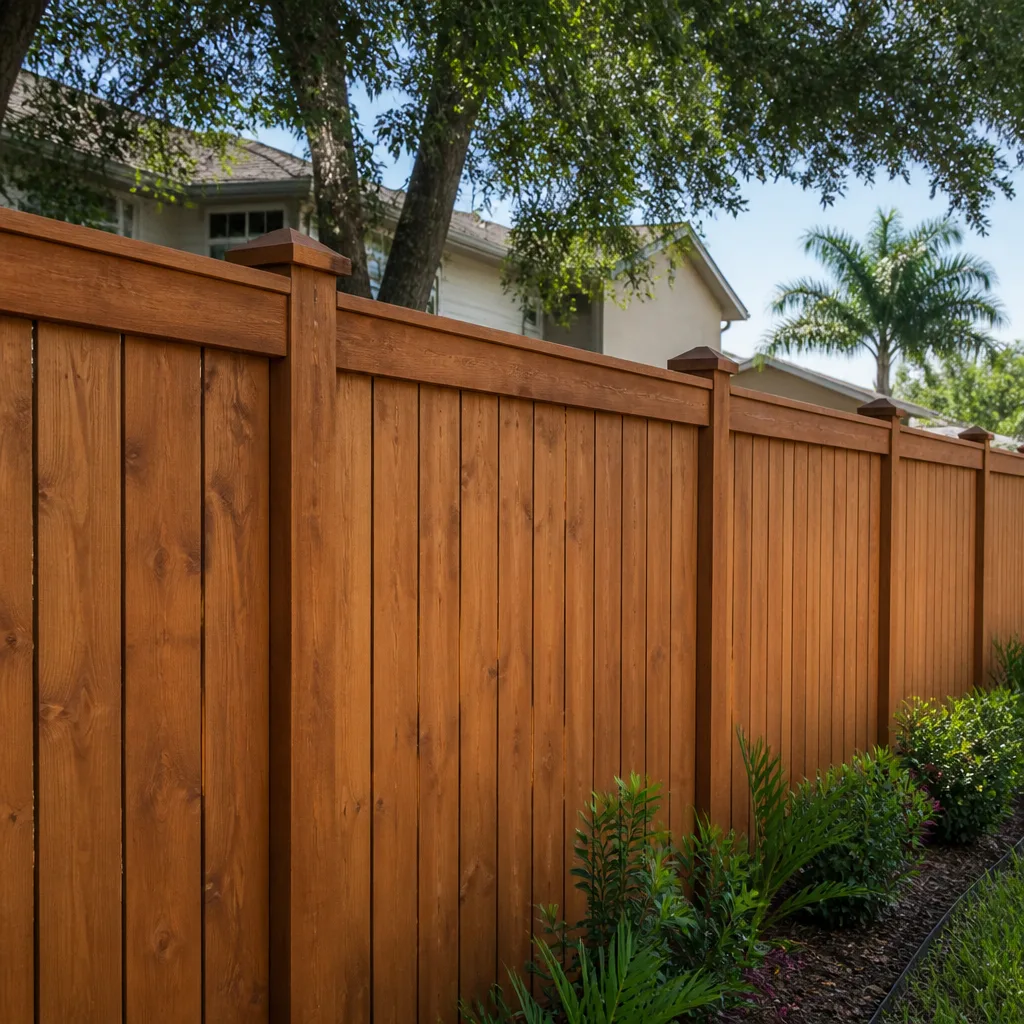
Spring Valley’s residential market includes a high proportion of HOA-governed communities, and that single fact changes the DIY decision more than any tool consideration. The HOA architectural review applies whether you’re doing the work yourself or hiring – DIY doesn’t exempt you from it. A fence replacement, a new paver driveway, a patio cover, an exterior paint color, a window swap: all of these typically require architectural review committee approval before work begins.
What happens when the step is skipped? The HOA’s enforcement arm can require removal or reversal of unapproved work, and “we didn’t know” isn’t a defense. A beautiful new fence with the wrong height, finish, or material can be ordered down. A paver color that clashes with the community palette can be refused after install. The cost of that mistake is not the fence itself. It’s the removal, the re-installation, and the fines that run while the correction is in dispute.
The approval process typically requires:
- A completed architectural review application with a description of the scope
- Drawings, photos, or material samples, depending on the community
- Manufacturer spec sheets – especially for fencing, roofing, windows, and pavers – so the committee can verify material and color
- Contractor licensing and insurance information if a professional is doing the work
- Approval in writing before the first tool hits the ground
A licensed contractor who works regularly in Spring Valley’s HOA communities knows to ask for the approval packet up front, because the sequence matters: approval, then material order, then install. Reversing that sequence is where budgets blow up. When we work with an HOA-governed home, we request the community’s architectural guidelines and current design palette before we quote, so the estimate reflects the approved material rather than what looked good in a showroom. The same discipline applies to fence installation, where the approval and the material spec have to line up before the project starts.
The Real Math on a DIY Paver Patio
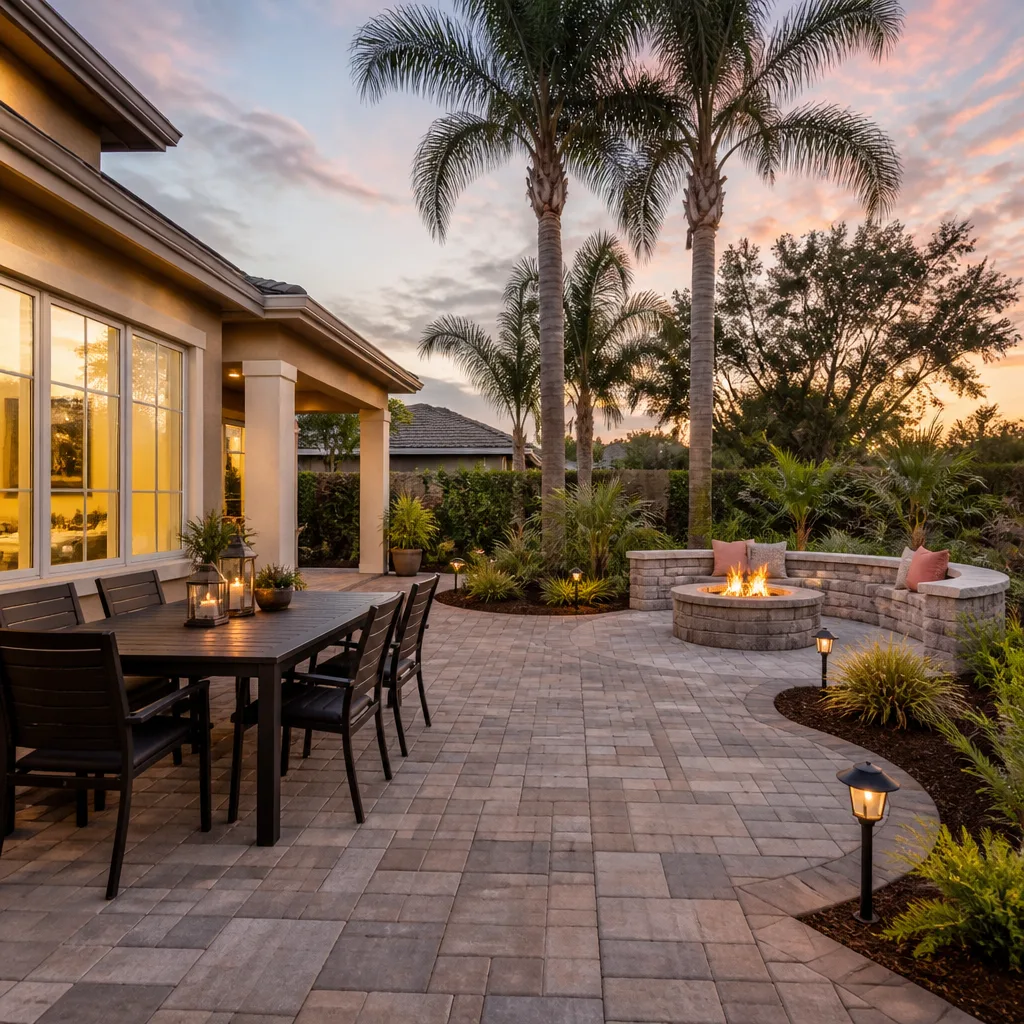
A do-it-yourself paver patio in Spring Valley costs less than a professionally installed patio on the initial invoice. Once you count tool rental, material waste, base failure probability, and the redo costs in year two, the gap narrows or disappears. That’s the honest comparison. The price list on a paver website doesn’t tell you what you’ll actually spend. The math below does the harder accounting.
A side-by-side of what actually comes out of your budget for a typical Spring Valley patio or driveway scope:
- Professional install, all-in: material, base prep, compaction, edge restraint, joint sand, cleanup, and a written estimate that sets the final price. If the base fails within the warranty period, that’s a contractor problem, not your problem.
- DIY material cost: the pavers, base aggregate, joint sand, edge restraint. Already cheaper on paper, and this is where most comparisons stop.
- Tool rental: plate compactor, wet saw, hand tools, wheelbarrow. A plate compactor rental alone is a real line item, and it’s the tool most DIYers skimp on – which is the first domino in base failure.
- Material waste: cuts, broken pieces, and over-ordering to avoid a second trip. Waste on a first-time install typically runs higher than a crew that does this weekly.
- Redo cost in year two: re-sanding, re-lifting settled pavers, re-compacting, and – if water got under the base – rebuilding the failed section. This is where the DIY total crosses the professional one.
The material itself matters to that math. A paver from Techo-Bloc or Cambridge Pavers is engineered to a documented load and freeze-thaw standard. A paver from an unknown source might look the same on day one and behave differently after two summers of heat cycling. Our catalog includes a broad range across price tiers so you can pick the tier that fits the budget without giving up on documented performance. It’s your material choice, our installation.
The honest takeaway: if you want to do the base prep yourself and have the compaction equipment and patience, that’s a legitimate call. If you’re planning to rent a compactor, lay the pavers over a weekend, and hope the monsoon season doesn’t test it, the year-two redo is the most likely expense – and it’s the one that erases the savings.
Projects Where One Full-Scope Contractor Beats Coordinating Specialists
For a single trade on a single scope, hiring a specialist makes sense. For projects that cross two or more of our seven service categories – driveways and pavers, fencing, additions and ADU, bathroom remodeling, windows and doors, roofing, and kitchen remodeling – coordinating independent contractors usually costs more than it saves. The coordination burden is invisible until it isn’t: overlapping schedules, no single party responsible for a leak at the window-roof intersection, and a warranty that everyone points at everyone else to honor.
Three project types where one contractor across scopes is unambiguously cheaper:
- A room addition. Additions touch foundation, framing, roofing, windows, electrical, plumbing, and interior finishes. That’s four to six trades. With one contractor from the roofline to the floor, the schedule is sequenced once, the inspections are pulled once, and there’s no argument about whose scope the tie-in belongs to. Find the home additions & ADU details on scope and materials.
- A full exterior remodel. A new roof, new windows, a new driveway, and a new fence are four separate contracts if you coordinate. As one project, one crew handles the roof penetrations and window flashing in the same sequence, and the driveway and fence go in after the heavy work is done, so nothing gets damaged twice.
- A re-roof paired with window replacement. This is the highest-value combination in our experience. The roofer needs the old windows out to flash the openings; the window installer needs the roof done so the new flashing is correct. Split those between two contractors and one blames the other when water finds the seam. Combine them and the accountability sits in one place. Windows and doors include ROOFING brand lines like GAF, CertainTeed, and Owens Corning on the roof side, and PGT, CGI, and Therma-Tru on the window side – spec’d together, installed as one scope.
The material advantage matters here too. When a re-roof and window swap are one project, the window and roof material compatibility gets checked once. Impact-rated glass, energy-efficient frames, and the roof warranty terms can all be reviewed together. The same coordination logic applies to an ADU: prefab or modular units from Abodu, Boxabl, Dvele, Mighty Buildings, or Plant Prefab compress the build timeline, but they still need site work, utility tie-ins, and finishes – all of which fall apart when coordinated across three separate contracts.
How to Hire a Contractor in Spring Valley: A Step-by-Step
Hiring correctly is the other half of the decision. The single most important thing to confirm before hiring a contractor in Spring Valley is that the license is active and the scope matches it. Everything else – reviews, references, samples – is secondary to that. Here’s the sequence we recommend to any homeowner comparing bids.
- Ask for the license number and verify it with the state. Nevada’s contractor licensing board has a public lookup. Confirm the license is active, the classification covers your scope, and the name matches the entity you’re contracting with.
- Confirm insurance and workers’ compensation coverage. An uninsured worker on your property is your exposure, not theirs alone. The certificate should be current and name the contractor you’re hiring.
- Get it in writing, line by line. A written estimate should list material, labor, permits, and inspections separately, so you can see what’s in the price and what isn’t. If a line item is missing, ask about it before signing.
- Confirm permits and inspections are included. Permits are pulled by the contractor in their name for most scopes. If a bid doesn’t mention permits, ask who’s pulling them and who’s paying for them.
- Ask for the HOA approval path. In an HOA-governed Spring Valley community, the contractor should know the architectural review requirement exists and should ask for the packet.
- Read the change-order clause. Fixed pricing with no change orders for the agreed scope is the standard. Where change orders are permitted, they should require written approval from you before any additional work starts.
- Get the workmanship warranty in writing. Material warranties come from the manufacturer; workmanship warranties come from the contractor. Make sure both are spelled out.
- Check references on projects of comparable scope. Not just that the contractor finished the job, but that they completed a job of the same size and complexity, in a similar climate and community setting.
For a same-day estimate appointment, the call-in number is (844) 560-4461. Our written estimates are free, and the price is set by the written estimate, not a verbal ballpark.
Common Mistakes to Avoid
- Hiring an unlicensed handyman for permitted work. The exposure isn’t just fines from the board. It’s liability for injuries on your property and a claim denial at the insurance level. Confirm the license before anyone starts, not after.
- Skipping HOA architectural review. A new fence, paver color, or window style that doesn’t match the community palette can be required to come down. Skipping this step is the most expensive DIY shortcut in Spring Valley, and it applies whether you did the work yourself or hired it out.
- Under-compacting a paver base. Renting a plate compactor or skimping on compaction passes is how a patio settles after the second monsoon season. The base is not the step where you save time.
- Patching stucco over a crack without finding the cause. A stucco crack in this climate often reflects movement behind the wall. Patch the surface and skip the cause, and the crack returns – usually wider the second time.
- Sealing roof penetrations with the cheapest caulk at the highest-temperature surface. Sealant at a roof penetration in Spring Valley’s summer heat can harden and crack faster than the same product in a milder climate. The penetration needs proper flashing, not just a bead of sealant.
- Coordinating a multi-trade project across separate contractors with no written sequence. When the window installer and the roofer each think the other’s covering the flashing, neither does. One written scope, one account, one party to call.
- Treating the estimate as a verbal ballpark. The written, line-item estimate is the document that sets the final price. An unwritten quote isn’t a contract, it’s an opening bid.
When to Call a Professional
Call a licensed professional in Spring Valley when the scope requires a permit, touches a structural element, involves gas, or adds a new electrical circuit. Call when water intrusion is possible – roof penetrations, window replacements, stucco cracks with a cause underneath, paver base failure on a slope. Call when the work crosses two or more trades, because a single contract for a re-roof and window replacement beats two contracts and a finger-pointing match. Call when your HOA requires architectural review and you want the material spec and the approval packet aligned before you order anything. Call when you’ve started a DIY scope and found the base is wrong, the crack is wider than it looked, or the roof boot is dry-rotted – the repair from that point is usually a bigger scope than the original job. Construction Spring Valley offers free estimates in Spring Valley – call (844) 560-4461. We answer 24/7. Fast dispatch from 7am to 7pm, Sunday through Friday.
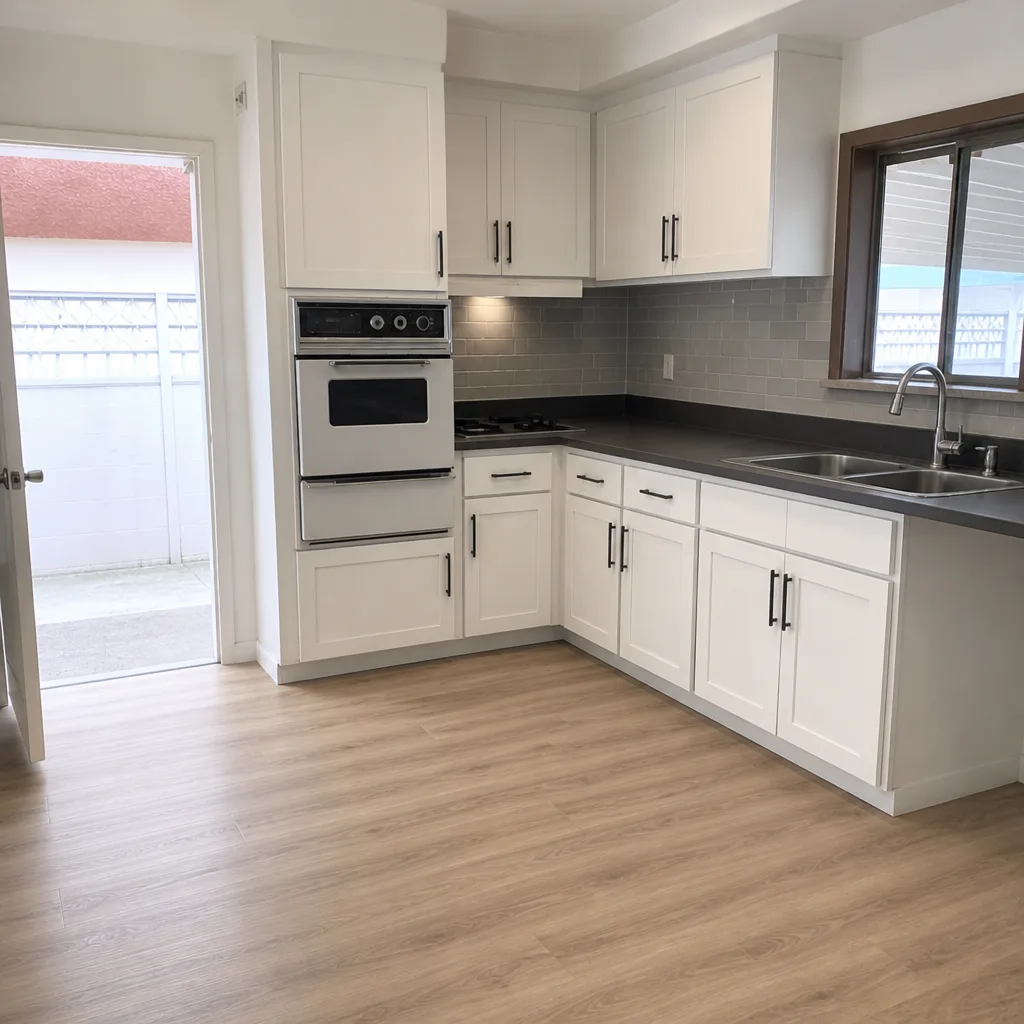
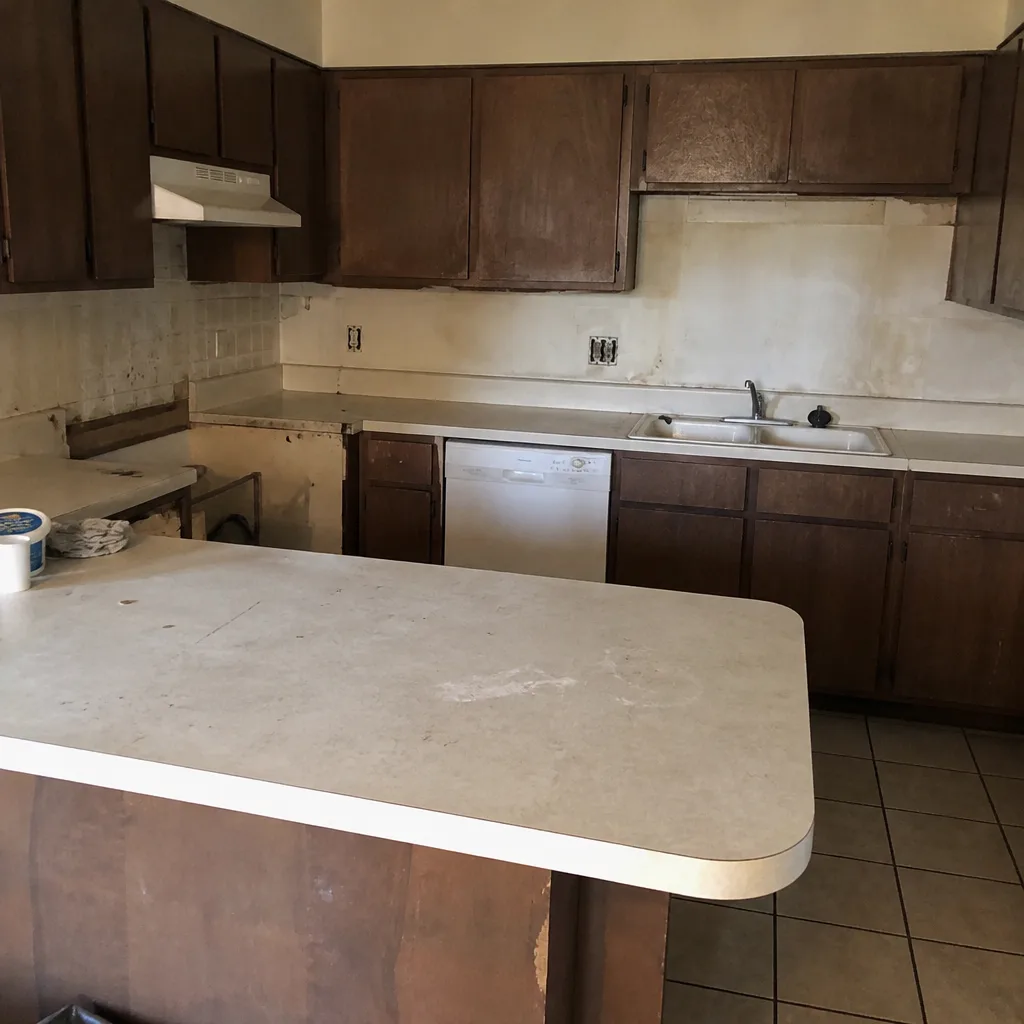
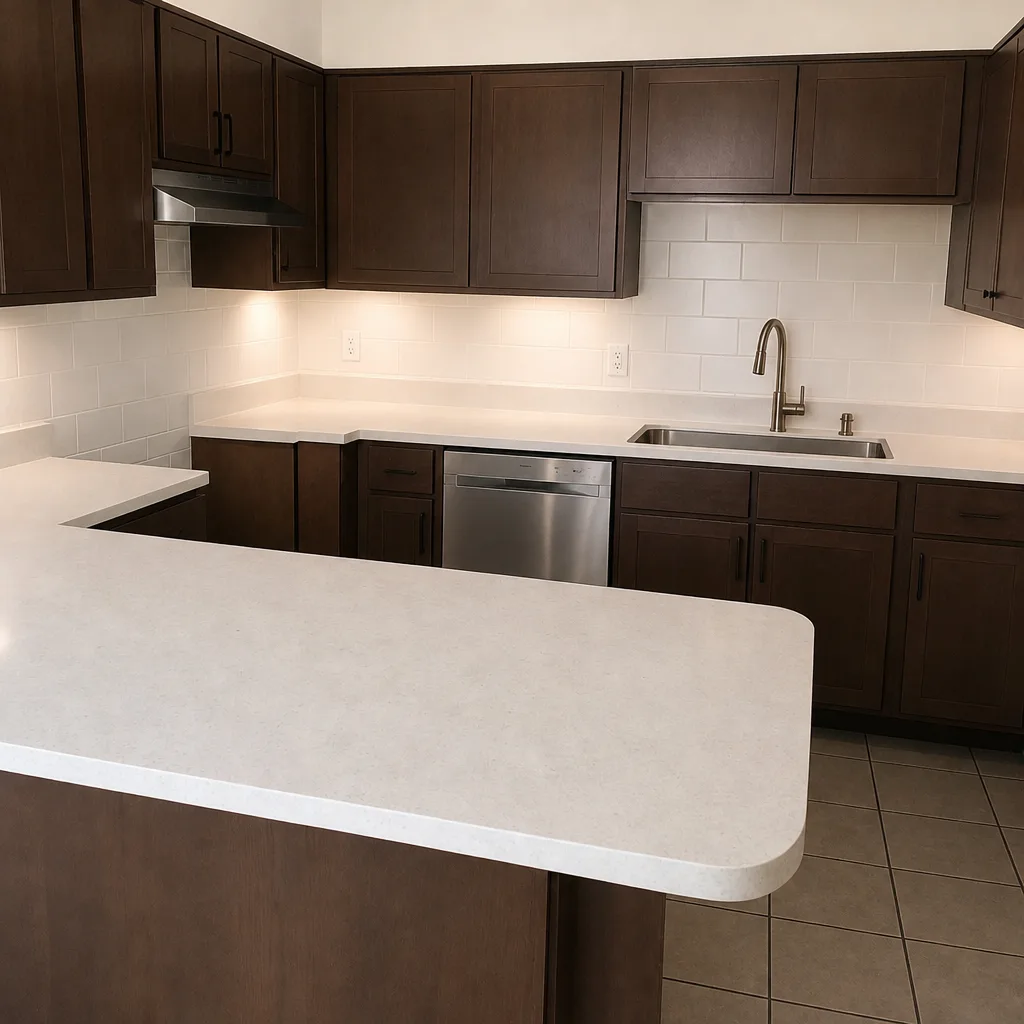
See the difference
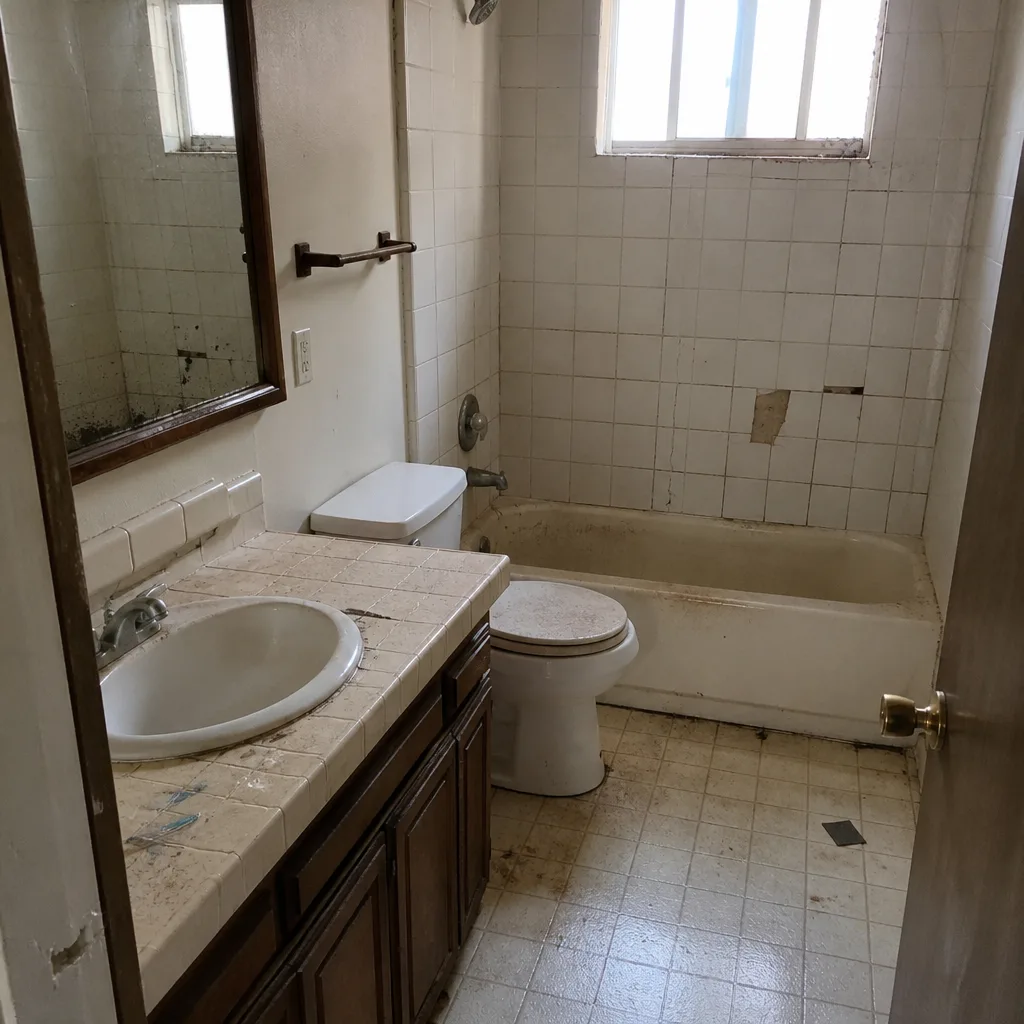 Before
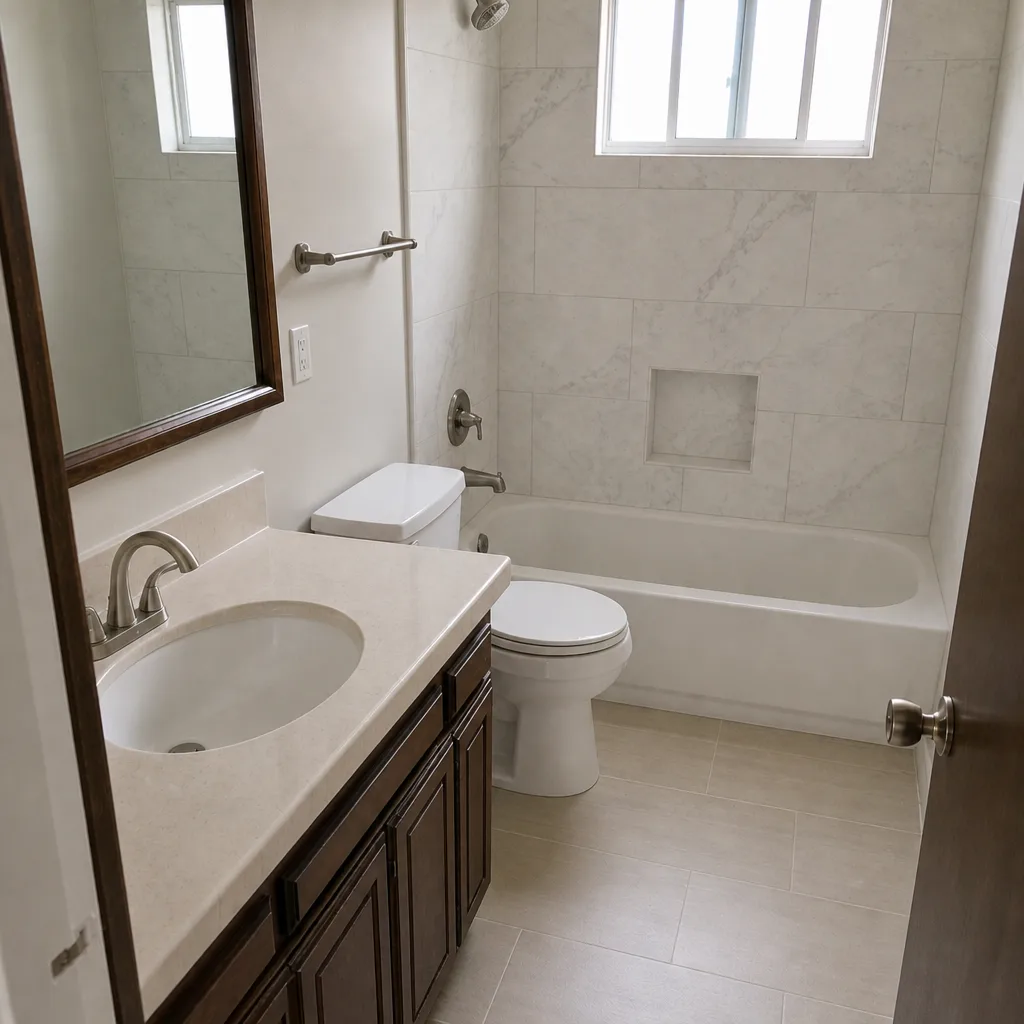 After
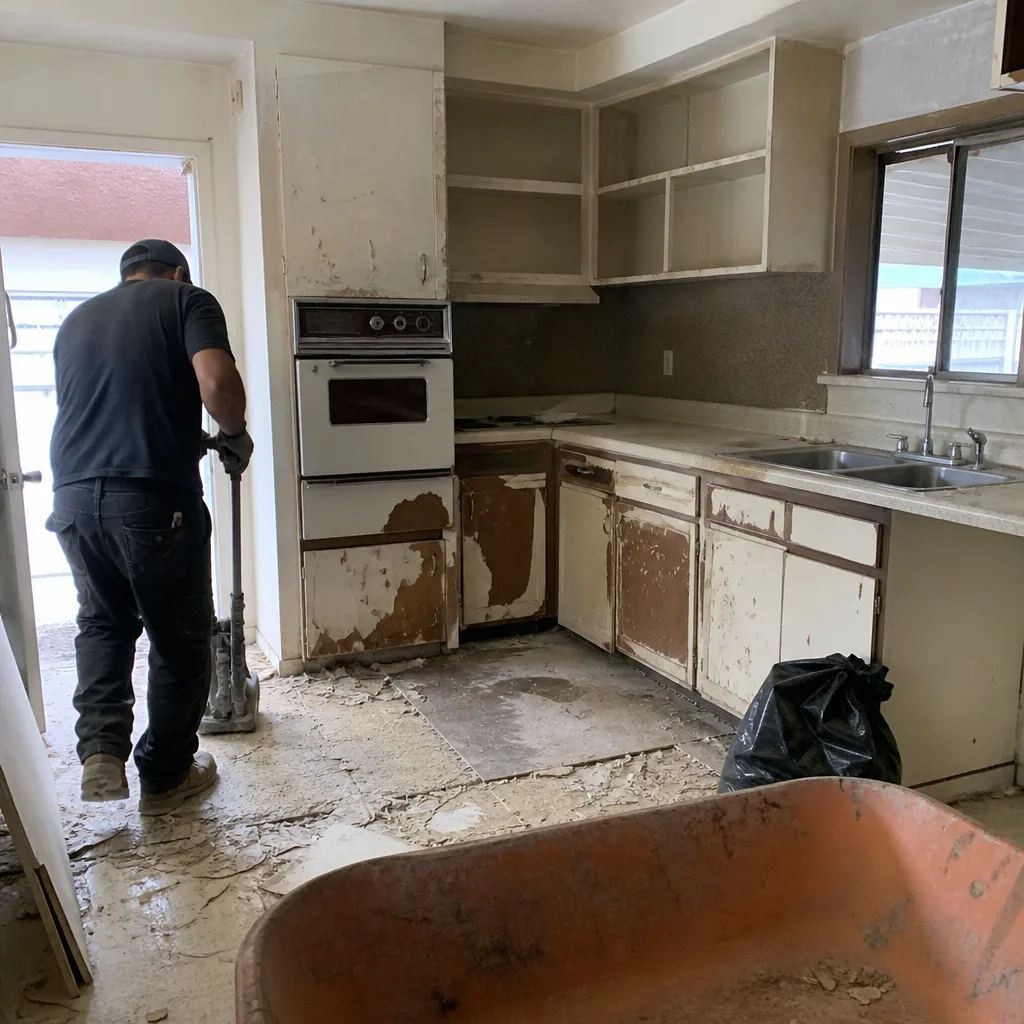 Before
 After
 Before
 After
Frequently Asked Questions
Yes, a paver driveway alongside your house typically requires a licensed contractor because the scope involves site prep, drainage, and possibly a permit, and Nevada law restricts unlicensed contracting for most construction work. The compaction and edge-restraint specs are what fail on DIY jobs, so the licensed path is also the lower-risk path. Call (844) 560-4461 for a free written estimate.
A small cosmetic stucco patch on a hairline crack that isn’t growing is a reasonable DIY repair. A crack that has widened, or one that returns after a patch, points to movement underneath, and that’s when the repair needs a professional who can address the cause rather than the surface line. Call for a free assessment before the second patch.
Yes. HOA architectural review applies to the project regardless of who’s doing the work. DIY doesn’t exempt you from the approval, and unapproved work can be required to come down. Request the community’s design palette and submit the approval packet before you buy material.
The initial material savings on a DIY paver patio are real, but they narrow once you count plate compactor rental, higher material waste, and the probability of a base failure that needs a year-two redo. On a sloping lot or a mono-season test, the DIY total often crosses the professional one. The written estimate from a licensed contractor is free and lists the full scope, so you can compare honestly.
Re-roofing typically requires a permit, and the permit is usually pulled by the licensed contractor in their name. Pulling a permit means the roof passes inspection now and avoids a surprise at resale. Confirm the permit is included in the estimate before signing.
Cosmetic work that doesn’t require a permit – paint, trim, cabinet hardware, a like-for-like fixture swap on an existing circuit – is generally the DIY-safe zone on your own primary residence. Anything that requires a permit, touches structural, gas, or new electrical work, or would need to pass inspection is where Nevada’s licensing rules apply. When in doubt, ask the licensing board before you start.
The Bottom Line
The DIY-versus-professional decision in Spring Valley comes down to three questions: does the law let you do it, does the climate punish a shortcut, and does the HOA require approval first? Answer those honestly and the rest of the decision usually makes itself. Cosmetic, non-permitted work is a fair DIY call. Permitted scopes, water intrusion, structural work, and multi-trade projects are where the licensed contractor’s written estimate pays for itself, especially when the alternative is a compounding repair discovered two monsoon seasons later. One contractor, every scope, from the driveway to the roofline. Call (844) 560-4461 for a free estimate. We answer 24/7. Fast dispatch from 7am to 7pm, Sunday through Friday.
Written by the team at Construction Spring Valley.