
Last updated November 18, 2026








Free written scope consultation - allowances, timeline, and change-order rules on paper before a single trade is scheduled
How to Hire a Construction Contractor in Spring Valley: A Step-by-Step Guide
Most homeowners hiring a contractor in Spring Valley run the same checklist: confirm the license, skim a few reviews, collect three bids, pick the middle one. That process filters out outright fraud. It doesn’t filter out the arrangement that actually costs people money – a properly licensed contractor who subcontracts every trade, carries no real supervision on site, and is gone the moment their one specialty wraps. This guide covers what that cheap-looking gap in the market actually costs. You’ll learn how Clark County permits work, what a scope document needs to say, and how to read a contractor’s inspection record before you sign.
Quick Answer
Hiring a construction contractor in Spring Valley comes down to four checks: verify the license classification against the exact scope of your project, request the last five to ten permit records and read them, insist on a written scope document before any bid is accepted, and confirm in writing who holds responsibility for each trade after closeout. A license is a starting point, not a credential. The contractor’s permit history and your contract language decide whether your project is protected.
Styles & brands we work with
- Kitchen remodeling
- Bathroom remodeling
- Home additions & ADU
- Roofing
- Windows & doors
- Driveway & pavers
- Fence
Table of Contents
- Why a License Alone Doesn’t Tell You What You Need to Know
- B-2 General Contractor vs. Specialty License in Nevada
- How to Read Clark County Permit History
- Writing a Scope Document Before You Take Bids
- Five Contract Clauses That Decide Who’s Liable Later
- How to Spot a Contractor Who Subs Everything Out
- Spring Valley Red Flags: HOA Approvals, Heat, and Timelines
- Questions to Ask on the Walkthrough
Why a License Alone Doesn’t Tell You What You Need to Know
Nevada’s licensing board will confirm that a contractor is licensed and bonded in about two minutes. That confirmation tells you two things: the contractor met the state’s minimum bar to hold a license, and there’s a bond behind the license if something catastrophic goes wrong. Neither of those tells you whether the person running your job will be on site next week, or whether the plumber who did your rough-in is someone the contractor has any ongoing relationship with.
In Spring Valley, we see this play out most often on projects that cross trades – a kitchen remodel that needs framing, electrical, plumbing, drywall, tile, and cabinetry, or a home addition that touches the structure, the roofline, and the mechanical systems in one sequence. Each of those trades is a separate handoff, and the risk in construction lives at the handoffs. A contractor who runs a job like this well is one who coordinates those handoffs in-house and stays accountable across all of them. A contractor who doesn’t have that capability can still hold a valid license.
What “licensed and bonded” actually means when you see it printed on a website or a truck:
- Licensed: the contractor meets Nevada’s classification requirement for the scope they’re contracting. This is definitive only if you check the classification matches your project, not just the license status.
- Bonded: there’s a surety bond in place. The bond protects you in specific legal scenarios, but it isn’t a workmanship warranty and it doesn’t cover every kind of failure.
- Not stated: whether the contractor carries general liability and workers’ compensation, and at what limits. Those are separate from the licensing bond. Ask for certificates.
A license is the floor. The floor matters, but you don’t want your project sitting on it.
B-2 General Contractor vs. Specialty License in Nevada
Nevada splits contractor licensing into classifications, and each classification authorizes a specific scope. A specialty contractor is licensed for one or a narrow set of trades – roofing, plumbing, electrical, fencing, concrete, or similar. A general contractor classification allows the contractor to take on a project across trades, coordinating those specialties under a single contract.
The distinction matters the moment your project crosses a trade line. A roofing contractor who tells you they can also handle the fascia, the skylight replacement, and the new gutter run is working at the edge of what their license authorizes for that bundled scope. A licensed general contractor is the right hire when your project involves coordinating more than one trade – and most meaningful residential work in Spring Valley does.
How to verify a classification in practice
- Pull the contractor up on the Nevada State Contractors Board lookup, using their license number (not just the name).
- Read the classification code, not just the “status: active” field.
- Compare the classification scope to your project’s trades. If your project needs roofing, framing, and interior finish, you need a general contractor classification or explicit written scope-splitting.
- Ask whether any trade on your job will be subcontracted, and if so, which trades and to whom.
- Confirm the license is in the name of the company signing your contract. A license-holder’s name on a website that doesn’t match the entity on your proposal is a stop-the-process moment.
The question to ask directly: “Which of these trades are you licensed to self-perform, and which will be subbed?” A straight answer is a good sign. A defensive answer usually means the contractor hasn’t thought through the handoff risk either.
How to Read Clark County Permit History
Clark County’s permit database is public, and reading it takes less effort than most homeowners expect. Pull the contractor’s permits under their license number and look at two things: the number of permits in the last two to three years, and the pattern of inspection results and any stop-work orders on file.
A clean record looks like this: a steady volume of permits, most closing out with a final inspection approval, some inspection corrections (which are normal – any working contractor fails an inspection sometimes), and no stop-work orders or unresolved citations. A working contractor who takes permits on most of their projects will show corrections. What you’re looking for is the proportion and the pattern, not zero failures.
What a suspicious pattern looks like
- Very few permits relative to the contractor’s claimed volume: often a sign that work is being done without permits, or that the contractor’s real book of business is smaller than claimed.
- Repeated stop-work orders: a stop-work order means an inspector found something serious enough to halt the job. One is a bad month. Several across different projects is a supervision problem.
- Open permits that never close: an unclosed permit means the job never got a final inspection. That can follow you when you sell the house.
- Permits filed under a license number you don’t recognize: either the contractor is running jobs under a related entity or they’re letting another contractor pull their permits. Both need explanation.
- No record of specific trades you’d expect to see: a contractor known for kitchen remodels with no electrical or plumbing permits on file has probably been running those trades without permits.
If you’re planning an addition, check the permit history for home additions & ADU projects specifically – seeing how a contractor handled the last three structural permits tells you more than any review page. A single unpermitted addition on a home can complicate the title, the appraisal, and the insurance payout later. Ask the contractor directly which projects on their record required structural permits and how the final inspections went.
Writing a Scope Document Before You Take Bids
Three bids are only useful if all three bids price the same work. Most homeowners take three bids on three different scopes and pick the lowest number, which usually means picking the contractor who silently excluded something. The single most valuable hour you can spend before pricing a project is the one where you write out exactly what’s included.
A scope document isn’t a design. It’s a written statement of what the project includes and, just as importantly, what it excludes. Two contractors reading the same scope should come back with bids that are actually comparable.
What goes in a scope document
- Project boundary statements: one sentence describing exactly which rooms, elevations, or areas are in and which are not. “Kitchen and adjacent pantry; not the laundry room.”
- Materials and brands, or acceptable equivalents: name what you want. If you want Cambria quartz counters, say “Cambria quartz” – not “quartz counters.” If you want vinyl fencing, specify the manufacturer. Our team works from a catalog that includes names like Therma-Tru for entry doors, ViewLux and Barrette for windows and railing systems, and Master Halco for fence components, so when a homeowner names a brand or product line, we can price it as drawn. A contractor who can’t speak to those names in a bid is probably going to substitute down the road.
- Quantity statements where ambiguity lives: number of window units, linear feet of fence, square feet of pavers, count of light fixtures, number of drawer stacks.
- Trade list: every trade the project requires, listed by name, so no bid can quietly omit electrical or drywall.
- Permit responsibility: who pulls permits, who pays permit fees, who handles inspections and corrections.
- Explicit exclusions: say out loud what’s not included. Landscaping, finish painting, appliance delivery, structural repair beyond the plan.
- Allowance definitions: if the bid has material allowances, state the dollar figure and what happens when the actual cost differentiates from it.
Send the same written scope to all three contractors. Compare bids line by line against the scope. Any bid that doesn’t respond to every line is incomplete, no matter what the total says.
Five Contract Clauses That Decide Who’s Liable Later
Most construction disputes that reach the courts or a licensing board aren’t actually about the work. They’re about who’s responsible for a failure after the project closed, when the original contractor is unreachable or has moved on. The clauses below are the ones that determine that answer, and they’re the ones homeowners most often skim past.
1. The subcontractor accountability clause
If the contractor uses subcontractors, the contract should state that the prime contractor remains fully responsible for the work of every subcontractor, regardless of whether the subcontractor’s own warranty survives the project. Without that language, a homeowner can end up chasing a roofer who’s left the market, or a tile setter who’s dissolved.
2. The warranty transfer clause
Manufacturer warranties on windows, doors, roofing materials, cabinetry, and fixtures often transfer to the homeowner – but only if the contractor provides the warranty documentation and the manufacturer’s transfer paperwork at closeout. Specify in the contract that you’ll receive the manufacturer’s warranty documents for each installed product.
3. The final payment and punch list clause
A final payment of a defined percentage, held back until the punch list is complete and all permits are closed, is standard. Make sure the contract says “permits closed” – not “substantial completion.” Substantial completion is a nice phrase; closed permits are a verified fact.
4. The change order clause
Every change should require a written, signed change order with the price stated before the change is performed. Contracts that allow changes “to be settled at the end” are the ones that turn into billing disputes.
5. The dispute resolution clause
Look at what the contract specifies: mediation, arbitration, or court. Arbitration can be faster. It can also be less favorable to the homeowner when the contract names an arbitration service the contractor uses regularly. Understand the clause before you sign it, not after.
If a contractor’s proposal has no clauses, just a lump-sum number and a signature block, that’s not a lean contract. It’s an unwritten document pretending to be one.
How to Spot a Contractor Who Subs Everything Out
Subcontracting isn’t inherently bad. Most working contractors use subs for specific trades, and many use them well. The pattern that should give you pause is a contractor who subs every trade on the project and has no supervision on site – which puts you in the position of managing the coordination yourself.
The difference between a coordinating general contractor and an absentee one usually shows up before construction starts:
- Who answers the technical questions: a coordinating contractor can tell you how the paver base will be prepared for driveway & pavers work, what underlayment the roofing is specified for, and how the cabinet finish matches the counter profile. An absentee contractor says “the guy doing that will call you.”
- Who shows up on the walkthrough: if the person who walks the project with you isn’t the person who’ll be running the site, ask why. If there’s no site lead at all, ask how daily coordination happens.
- Who signs the change order: an absentee contractor’s change orders come from subcontractors with no context. A coordinating contractor signs them as the project lead.
- Whether the trade list has a single accountable name: the contract should name one party responsible for all trades. Splitting responsibility across trade subs is the exact arrangement that goes wrong when something fails after closeout.
- How much of the project is in-house by scope: a contractor who does some trades directly and coordinates the rest through vetted partners is generally more accountable than one who touches nothing directly.
At Construction Spring Valley, our model is one contractor across seven defined scopes – driveway & pavers, fence installation, home additions & ADU, bathroom remodeling, windows & doors, roofing, and kitchen remodeling – so a homeowner doesn’t spend the project managing the handoffs between seven separate companies. Our technicians have up to 12 years of experience, and we price every job from a written scope with a written estimate.
Spring Valley Red Flags: HOA Approvals, Heat, and Timelines
Spring Valley’s residential landscape has a few conditions that affect contractor selection in ways that general “hire a contractor” guides usually miss. Ask about these specifically.
HOA architectural approval lead times
Large parts of Spring Valley are governed by HOAs with architectural review requirements. Fencing, exterior paint, roof color, storage structures, additions, and even some window replacements often require architectural committee approval before work begins. The approval process can take weeks, and a contractor who doesn’t account for it in the project schedule either starts work before approval (creating a compliance problem) or misses their own promised start date.
Ask every contractor you interview one question: “How do you handle HOA architectural approval in your schedule?” The right answer names the process explicitly and builds the approval lead time into the project before concrete is poured or the fence is delivered.
Heat and schedule realism
Spring Valley’s summer heat is hard on certain kinds of exterior work. Concrete pours, paver setting, roof work, and exterior painting all have practical temperature limits. A contractor who promises a mid-summer exterior project without accounting for the fact that concrete curing and masonry work often shift to early morning hours is either planning to rush it or hasn’t done the work here.
Monsoon and drainage planning
Spring Valley’s monsoon season brings intense, fast rain. Driveway, paver, and addition work that doesn’t account for drainage is work that routes water where it shouldn’t go – under the house, against the garage, into the neighbor’s yard. Ask any hardscape or addition contractor how they’ve handled drainage on previous jobs. Roofing work also needs to be sequenced around the monsoon months when possible.
Older housing stock variety
Spring Valley includes homes from multiple building eras. A contractor who’s done a lot of work on newer construction may be less fluent with the framing, plumbing, and electrical conventions of homes built earlier. Ask which neighborhoods on the west side of the valley the contractor has worked in most recently, and what surprised them.
Questions to Ask on the Walkthrough
The walkthrough is the most useful part of contractor selection. It’s where you see whether the person you’re interviewing actually runs projects or sells them. Ask these questions and listen for how specifically the answer comes back.
- “Who’s on site the day the framing goes up?” The answer should be a name or a role, not “the framer.”
- “Which permits will this project require, and who pulls them?” Every contractor in Spring Valley should be able to answer this from experience, not from a look-it-up moment.
- “What are the three most common problems on a project like this, and how do you plan around them?” Vague answers here mean the contractor hasn’t run enough jobs of this type to have patterns.
- “If a subcontractor’s work fails six months after closeout, who pays to fix it?” The right answer is “we do.” The wrong answer mentions the sub or the manufacturer without stating the contractor’s own responsibility.
- “Can I see the written scope, the schedule, and the contract before I sign anything?” A yes here is basic. A no is disqualifying.
- “What brands are you working with on this scope?” On windows and doors, for example, a knowledgeable contractor will know the difference between a Therma-Tru entry system and a ViewLux window package, and will talk about which is right for your elevation and exposure. On a fence project, they’ll speak to the difference between a Master Halco aluminum system and a Barrette vinyl system beyond price.
- “What does your estimate exclude?” The best contractors volunteer exclusions before you ask.
Common Mistakes to Avoid
- Taking three bids without a scope. Without a written scope, your three bids are three different projects. The lowest bid usually wins because the contractor left the most out.
- Confusing bonding with a workmanship warranty. The licensing bond protects specific legal scenarios. It does not cover a failed tile installation or a leaking window install three years after closeout.
- Skipping the permit history. A clean state license check and a spotless website don’t replace a five-minute search through the county permit database. A pattern of stop-work orders or unclosed permits tells you more than any amount of online reviews.
- Not asking who pulls the permits. If a contractor asks you to pull the permits as the homeowner, that’s often a red flag. A licensed contractor takes permit responsibility.
- Choosing on price alone across different scopes. Two bids that differ by 40% aren’t a negotiation opportunity. They’re usually two different projects priced for two different scopes.
- Ignoring HOA approval timing. Spring Valley HOAs can add weeks to a project before ground is broken. A contractor who doesn’t build that lead time into the schedule is either going to start work unapproved or miss the promised start date.
- Not reading the change order clause. A contract that prices changes “at the time they occur” is a contract built for billing disputes.
- Skipping the manufacturer warranty documentation. If the contract doesn’t say you’ll get the manufacturer’s warranty paperwork at closeout, you probably won’t. Ask.
See the difference
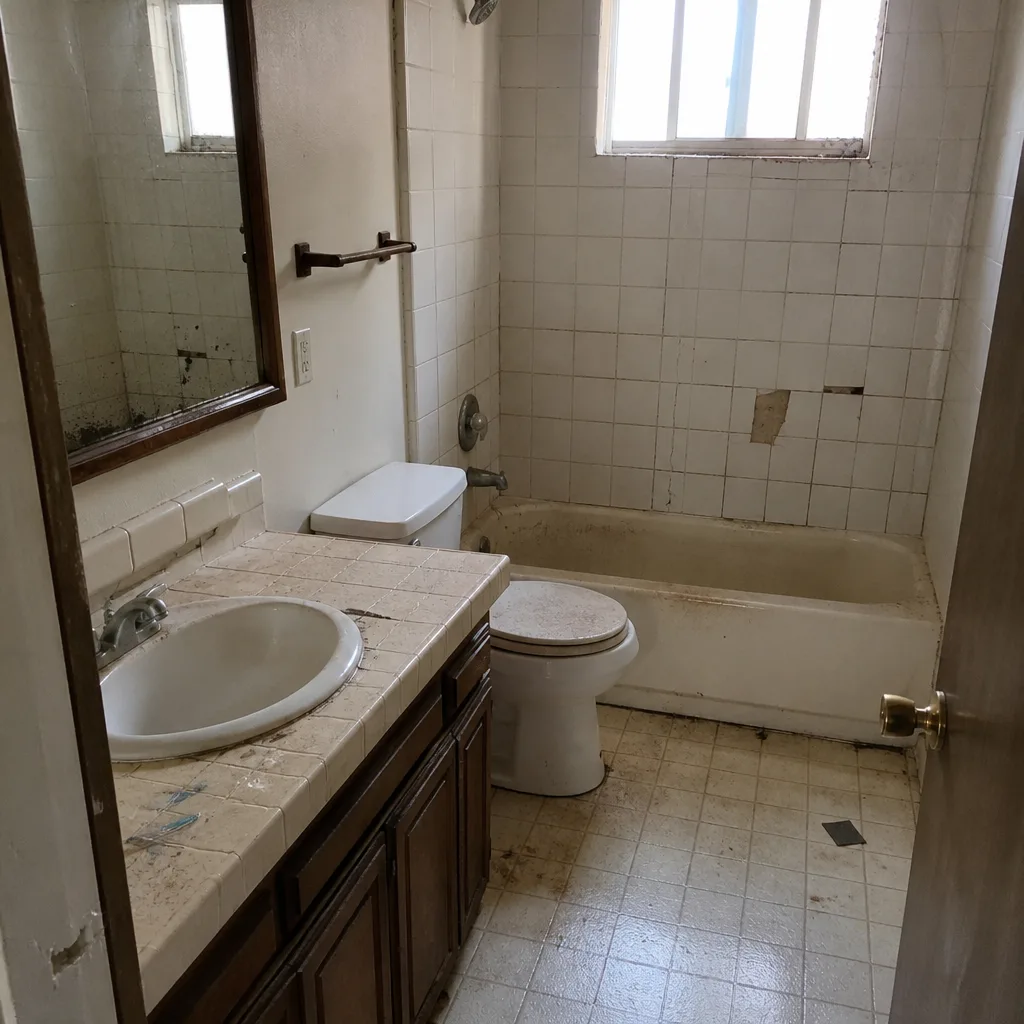 Before
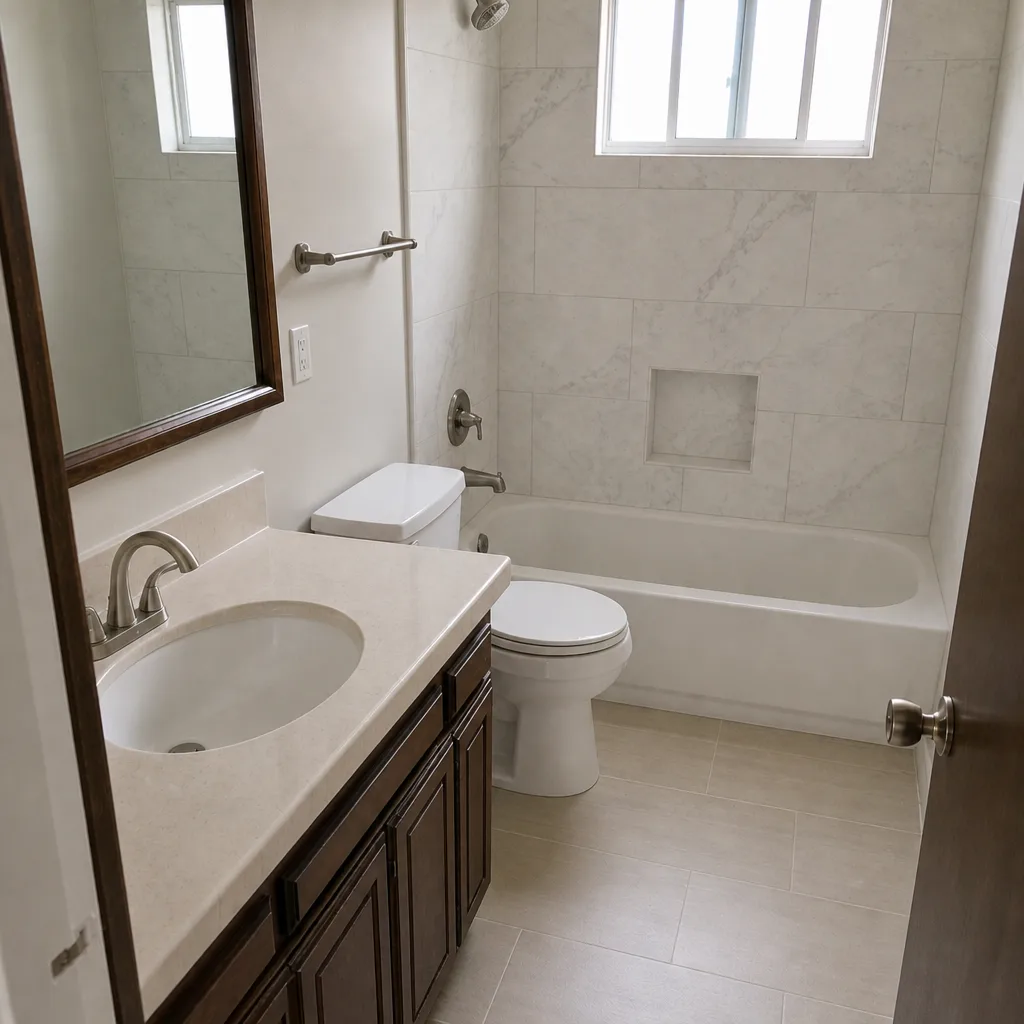 After
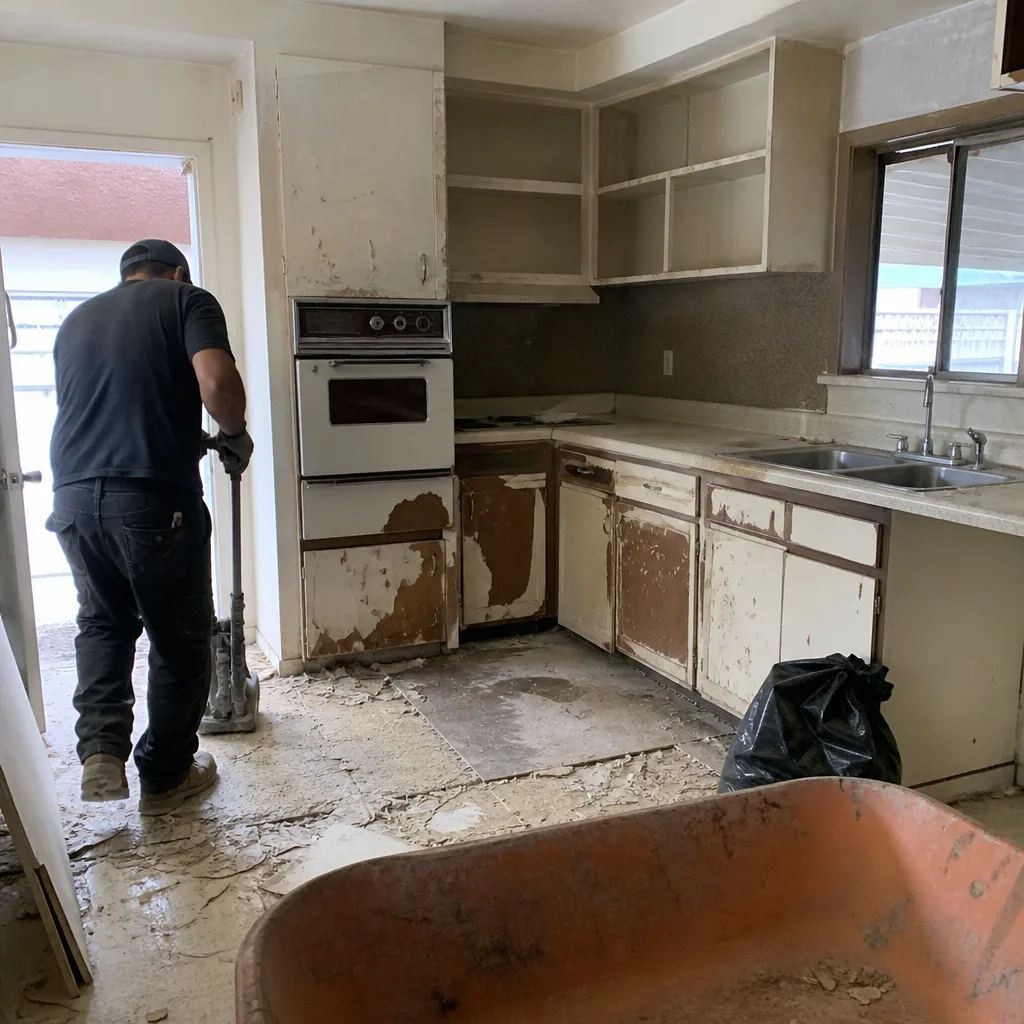 Before
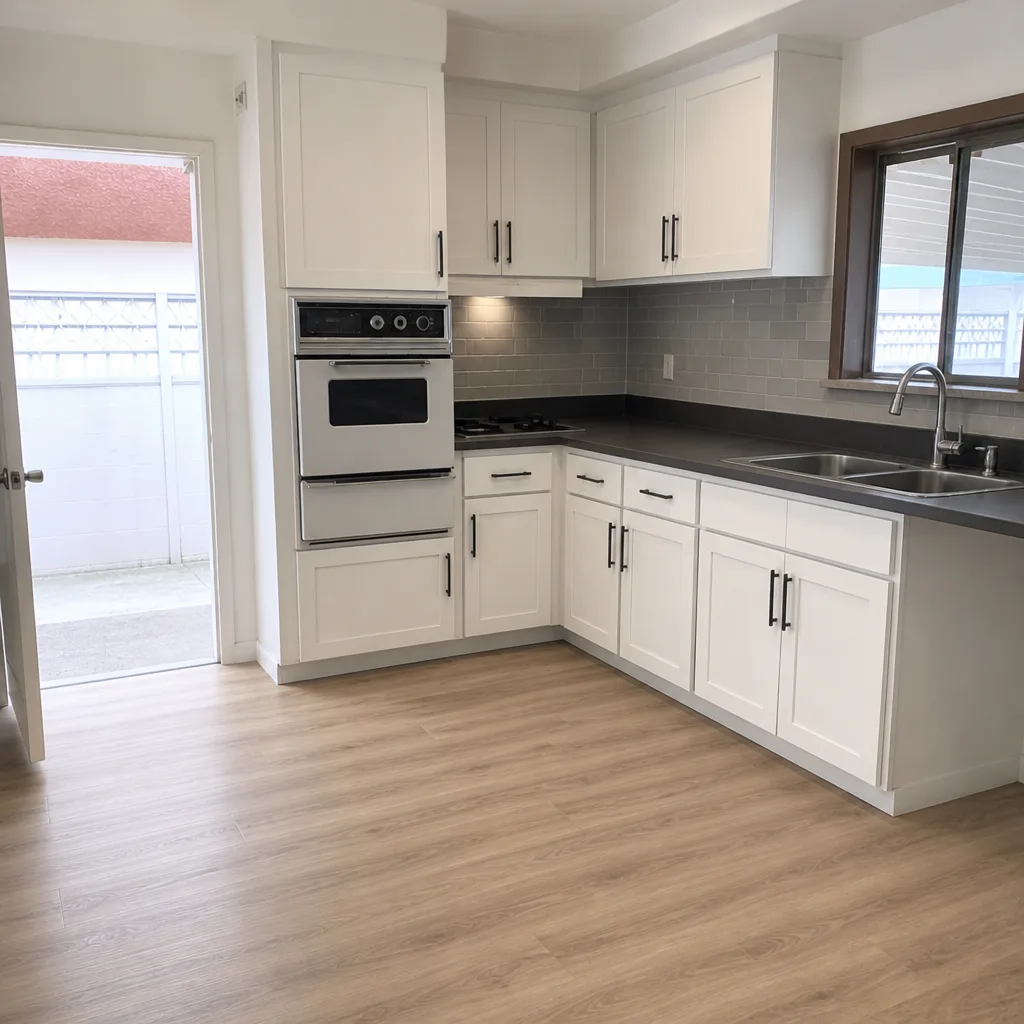 After
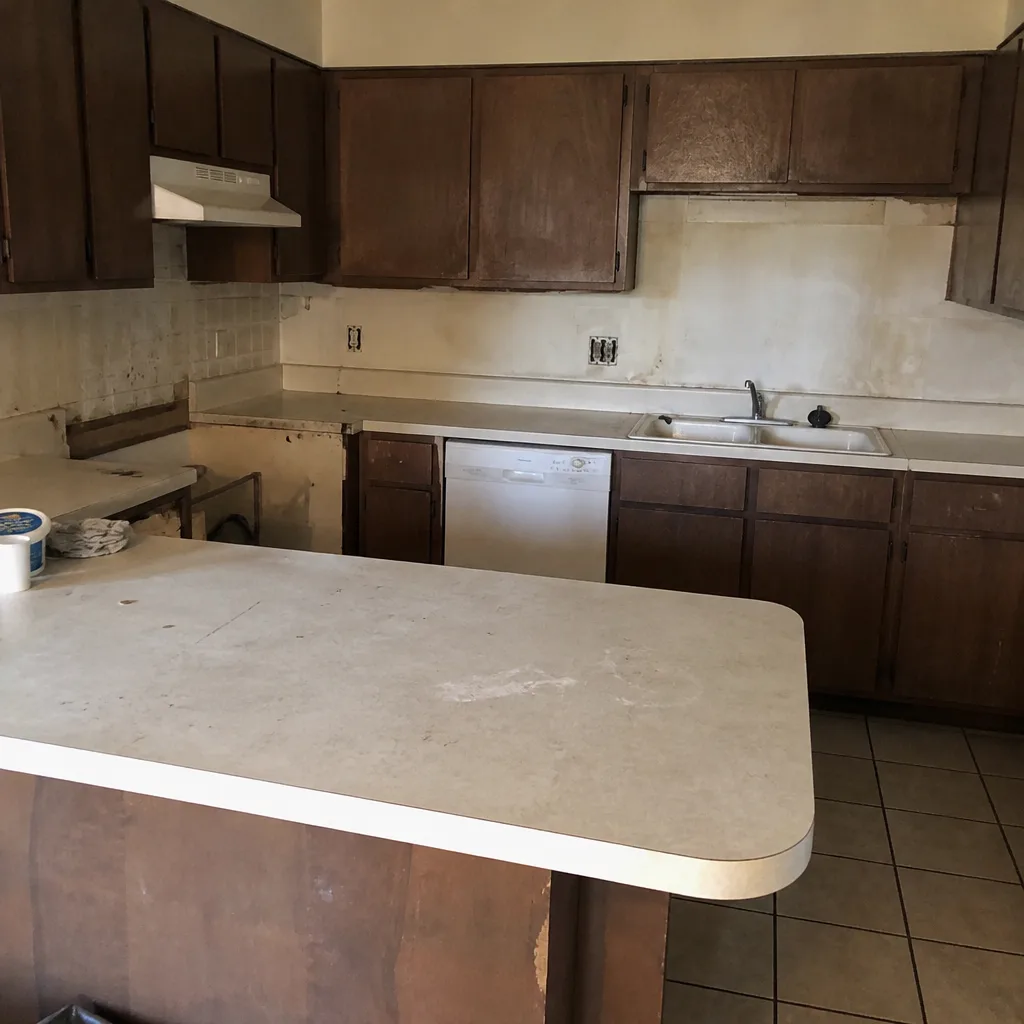 Before
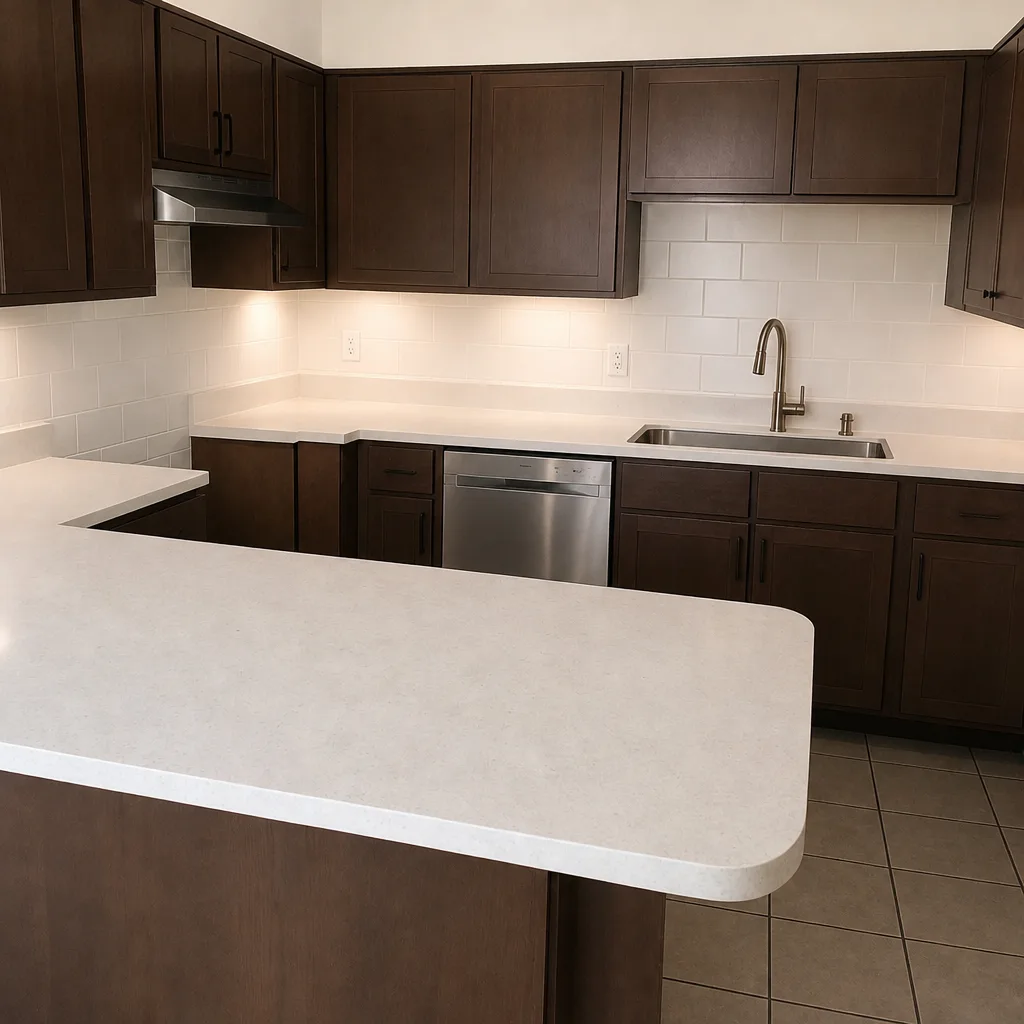 After
When to Call a Professional
Some projects need a contractor from the first day. Structural additions, anything that touches load-bearing framing, roof replacement, electrical work beyond fixture swaps, plumbing reconfigurations, and window or door replacement on exterior walls all require permit-level work and licensed trades – and doing them without permits creates problems at sale, appraisal, and insurance time. Full kitchen and bathroom remodels that touch plumbing, electrical, and tile also need coordinated trade work that a homeowner can’t reasonably manage alone.
Where homeowners most often underestimate the coordination burden is on multi-scope projects. A home that needs new fencing, a driveway replacement, and an addition isn’t three independent projects – it’s one sequence, and the order matters. That’s where Construction Spring Valley comes in. We handle the full scope from the driveway to the roofline, which means one contractor accountable across the handoffs. Construction Spring Valley offers free estimates in Spring Valley – call (844) 560-4461. We answer 24/7. Fast dispatch from 7am to 7pm, Sunday through Friday.
Frequently Asked Questions

Look the contractor up by license number, not just by name, on the Nevada State Contractors Board’s public lookup. Confirm the license is active, that the classification matches your project’s trades, and that the license is in the name of the entity signing your contract. Then ask which trades will be self-performed and which will be subbed. Call (844) 560-4461 to talk through your project’s trade requirements with us – estimates are free.
Hire a general contractor if your project crosses trades. If you’re replacing a single window, a specialty contractor is usually sufficient. If you’re touching the roof, the framing, and the interior finish, a general contractor is the right call – the handoff risk between trades is where most projects stall. Call (844) 560-4461 to walk us through your scope and we’ll tell you honestly which one your project needs.
Not if the scope document and the contract are written properly. A fixed-price bid with written change orders signed before changes are performed keeps the price stable. The scope document is what protects you – if something is excluded in writing, you can price it separately; if it’s included, the bid price holds. Every estimate we issue is written, line-item, and sets the final price for the work described. Call (844) 560-4461 for an exact quote on your project.
Yes – permit responsibility sits with us on the projects we take on. We pull the permits, handle the inspection schedule, and close the permits as part of the project. If a contractor ever asks you to pull permits as the homeowner, treat that as a stop sign and ask why. Call (844) 560-4461 to ask about your project’s specific permit requirements.
Timeline depends on scope, permit turnaround, and – in Spring Valley specifically – HOA architectural approval where applicable. A bathroom remodel is a meaningfully shorter project than a home addition; a driveway replacement with new pavers is a different timeline than a roofing replacement. What you should expect is a written schedule before work starts, with approval and inspection milestones built in. Call (844) 560-4461 to schedule a walkthrough and get a written schedule for your project.
A clean record shows a steady volume of permits, most closing with final inspection approval, normal inspection corrections, and no stop-work orders or unresolved citations. What you’re actually evaluating is the pattern – repeated stop-work orders across different projects, open permits that never closed, and no permits on trades that require them are all warning signs. If you’d like help reading the permit history on a contractor you’re considering, call (844) 560-4461 and we’ll walk you through it.
The Bottom Line
Hiring a construction contractor in Spring Valley isn’t about finding the lowest number or the longest review list. It’s about verifying three things: the license classification matches your scope, the permit history is clean and consistent, and the contract names one accountable party for every trade from start to closeout. Write a scope document before you take bids. Read the contract for the subcontractor, warranty, change order, and final payment clauses. Ask who’s on site the day the framing goes up. Do those things and the project is priced on facts instead of hope. Skip them and the risks stay hidden until something fails.
Call (844) 560-4461 for a free estimate on your Spring Valley project. We answer 24/7. Fast dispatch from 7am to 7pm, Sunday through Friday.
Written by the team at Construction Spring Valley.