Last updated November 18, 2026




Free written scope consultation - allowances, timeline, and change-order rules on paper before a single trade is scheduled
Driveway & Pavers Maintenance Checklist for Spring Valley Homeowners
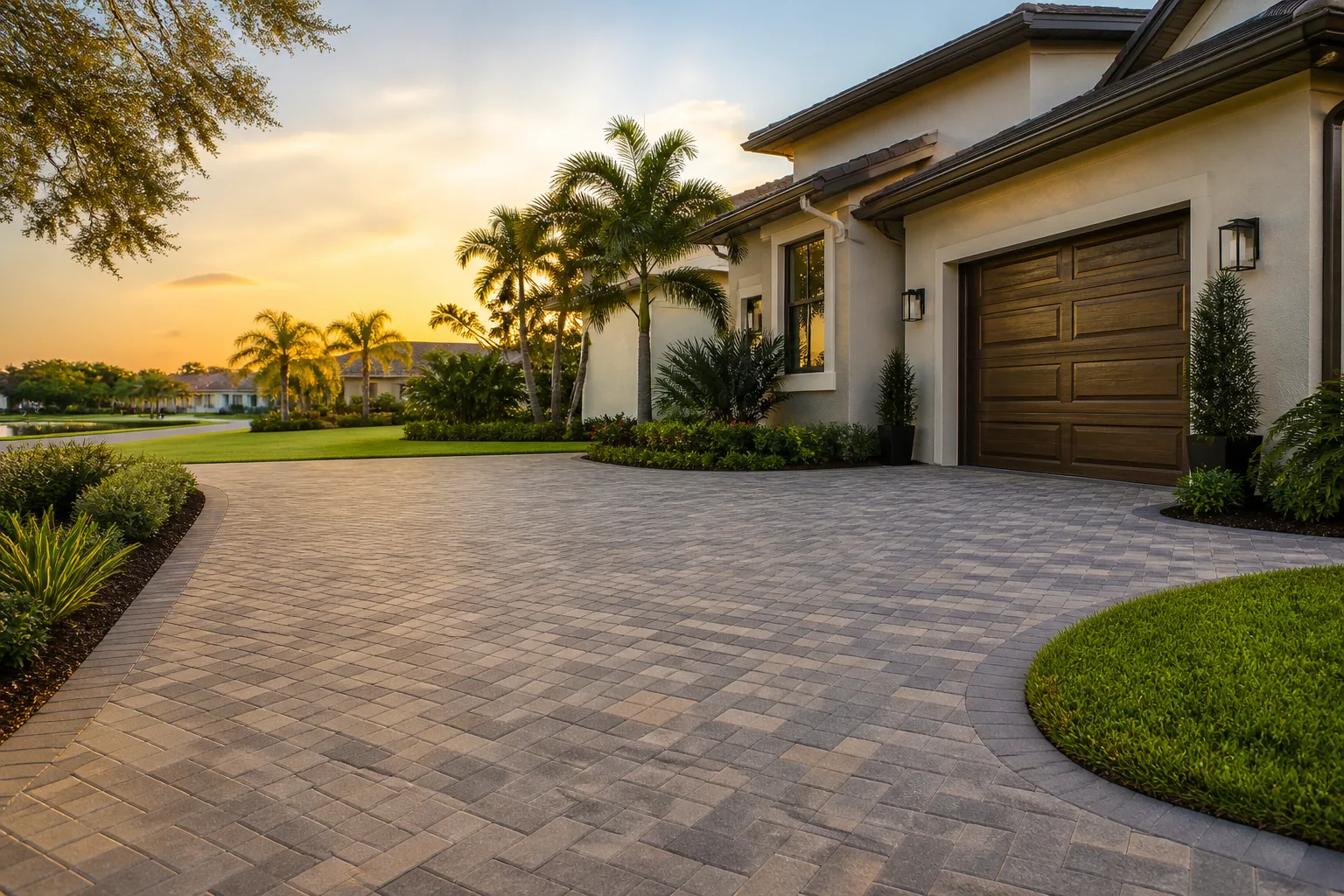
Most paver maintenance advice you’ll find online was written for a climate that gets regular rain, mild summers, and soil that drains. Spring Valley gets none of those on a predictable schedule. Here, a driveway sits under intense high-desert sun for months, then takes a hard monsoon soaking, then dries out again while the ground underneath shifts with expansive clay and caliche. That cycle does more damage to joints, sealers, and edges than a decade of gentle weather would. The standard annual checklist was built for a different place, and by the time you get to it, half the tasks are already late. This guide walks through what actually needs checking on a Spring Valley driveway and paver surface, in what order, and how often the local conditions really demand.
Quick Answer
In Spring Valley, paver driveways need joint sand checked after every monsoon season, a twice-yearly thermal expansion check where the driveway meets the garage, and resealing on a shorter cycle than most manufacturers recommend because UV exposure here breaks down sealers faster. Wash-downs and caliche staining should be identified correctly before any treatment, and pressure washing above the safe threshold for your paver’s face texture can void a sealer warranty. The right schedule is seasonal, not annual.
Styles & brands we work with
- Kitchen remodeling
- Bathroom remodeling
- Home additions & ADU
- Roofing
- Windows & doors
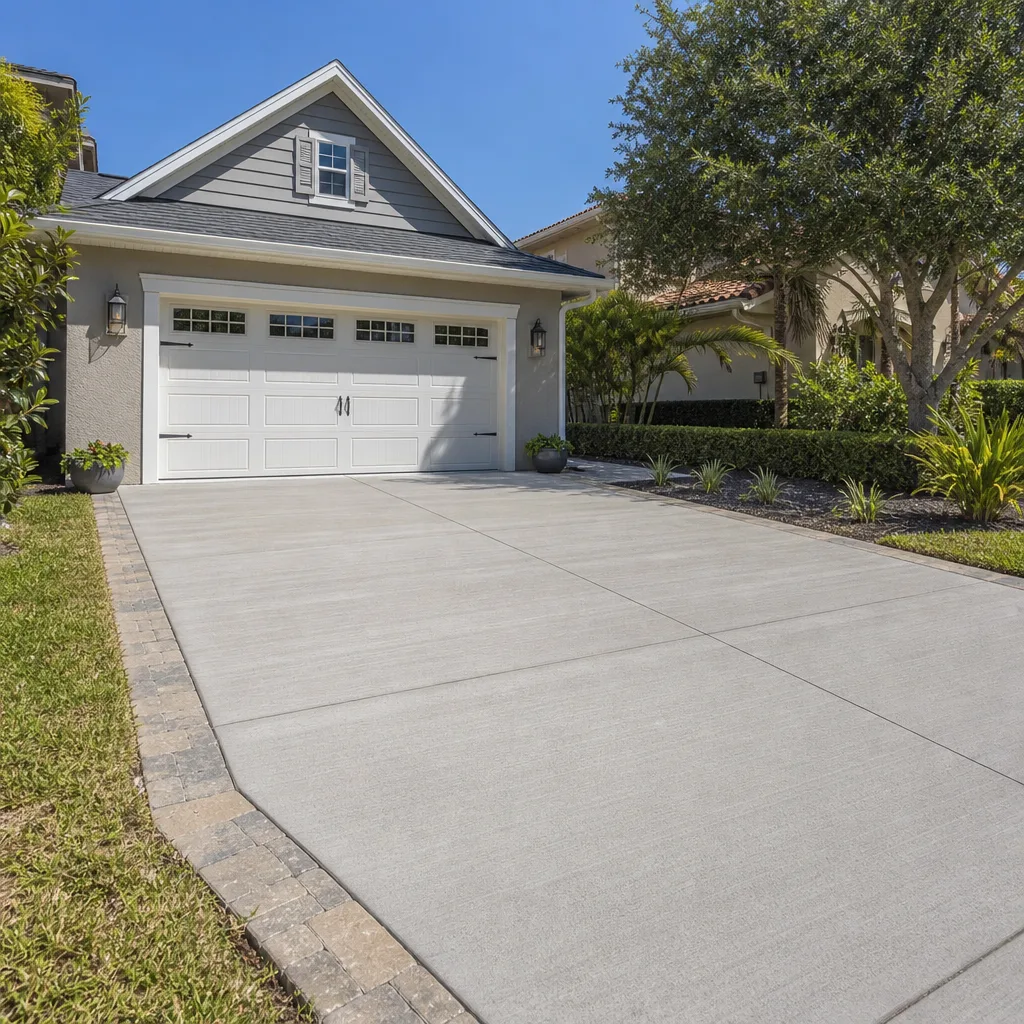
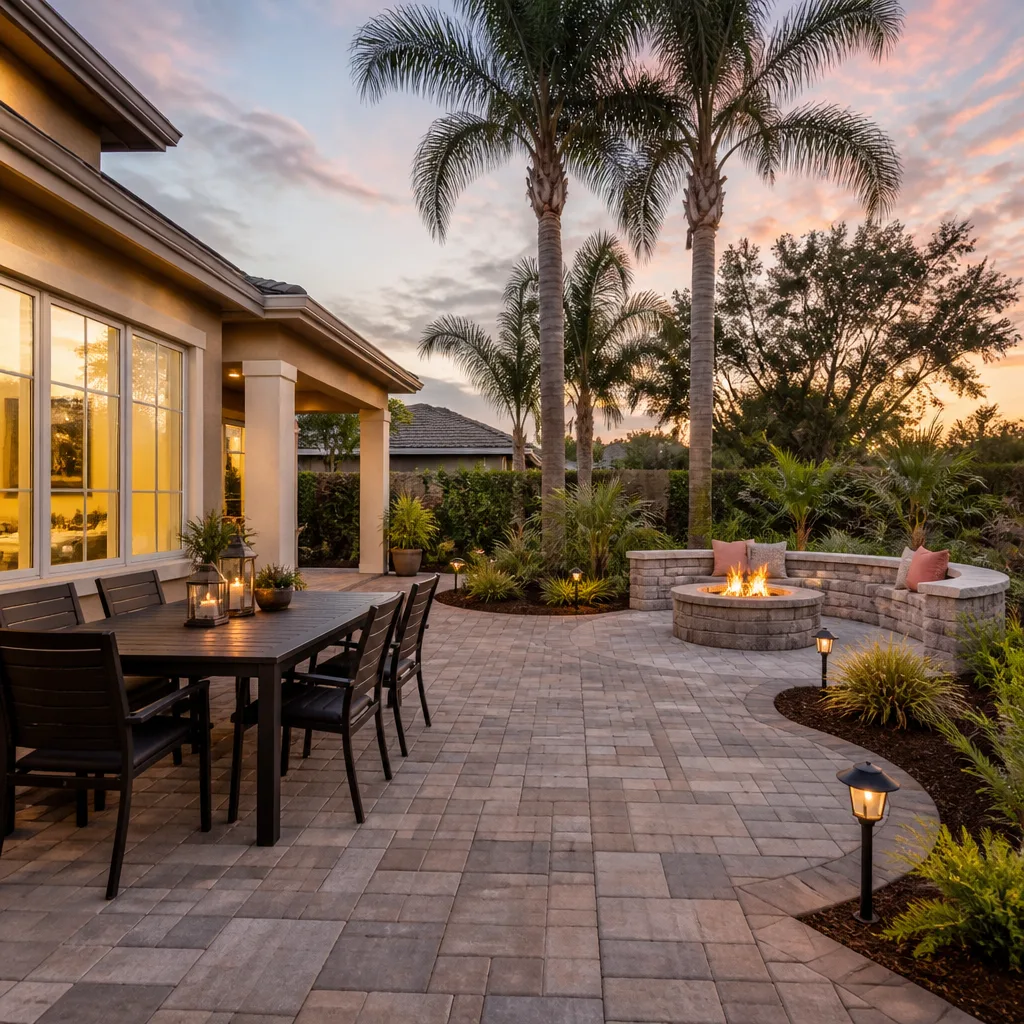
- Driveway & pavers
- Fence
Table of Contents
- Why Spring Valley UV Changes the Resealing Schedule
- Post-Monsoon Joint Sand Inspection
- Caliche Bleed-Through vs. Efflorescence: Telling Them Apart
- Thermal Expansion Joints Where the Driveway Meets the Garage
- Pressure Washing: PSI Limits by Paver Texture
- Matching Maintenance to Your Paver Brand
- The Seasonal Checklist, Step by Step
- Drainage, Slopes, and Edge Restraint
Why Spring Valley UV Changes the Resealing Schedule
Sealer manufacturers publish resealing intervals that assume a moderate sun load. In Spring Valley, that assumption breaks down. Our summer sun and the way it reflects off a light-colored paver surface push sealers through their protective life faster than the label predicts. A solvent-based acrylic sealer rated for three to five years by the maker may show dulling, chalking, or water no longer beading in well under that window on an exposed south- or west-facing driveway.
For Belgard products specifically, the manufacturer’s default guidance assumes a moderate climate. Under Las Vegas Valley UV, we treat that default as a starting point and shorten the inspection interval. The same applies to Pavestone pavers, which are widely used in this market for practical, budget-conscious driveways. The sealer is the vulnerable layer, not the paver itself. The paver will outlast several sealer cycles if you keep the surface protected.
How to tell when resealing is actually due
- Pour a cup of water on the surface. If it beads and rolls, the sealer is still working.
- If the water soaks in within a minute or two, the sealer has worn through in that area.
- Look for a chalky, dull film or color that looks flatter than it did a year ago.
- Check for “patchy” sheen, where the sun hits hardest. Even wear almost never happens here.
When two or more of those signs show up, schedule resealing rather than waiting for the calendar. For exposed driveways facing west or south, that inspection should happen twice a year, not once. Resealing is one of the highest-value maintenance tasks on a paver surface, and it’s part of the routine work covered under driveway & pavers.
Post-Monsoon Joint Sand Inspection
Polymeric sand is the material that locks pavers together, keeps weeds and ants out of the joints, and prevents individual units from rocking. In a climate with only a handful of real rain events a year, it’s easy to skip joint inspection between storms. That’s a mistake. A single hard monsoon downpour can wash out sand from the joints faster than a season of gentle rain, especially on a driveway with any slope to the street.
Washed-out polymeric sand doesn’t always look dramatic. What you’re watching for is narrower joint lines, visible gaps at the paver edges, sand pooling at the bottom of the drive, or a joint that’s gone soft and sandy to the touch. Once a joint opens, water gets under the pavers. Once water gets under the pavers, the base settles. Once the base settles, you’re looking at a repair, not a refill.
What a post-monsoon check looks like
- Joint depth: Joints should be filled to within about an eighth of an inch of the paver surface. Open gaps mean it’s time to refill.
- Sand pooling: Sand collecting at the low point of the drive or against the garage apron is a sign the joints above are losing material.
- Weed sprouts: Small weed growth in the joints is a symptom, not the problem. It means the polymeric binder has failed in that joint.
- Ant activity: Ant mounds along joint lines mean the sand is loose enough for them to tunnel through.
- Rocking pavers: Any paver that moves underfoot needs the joint and base addressed before it spreads.
If you catch washed-out joints early, refilling polymeric sand is a straightforward fix. If you wait, you’re looking at resetting pavers and rebuilding base material. That’s the difference between maintenance and repair, and the driveways that stay flat and tight are the ones checked after every monsoon season, not once a year in spring.
Caliche Bleed-Through vs. Efflorescence: Telling Them Apart
This is the call we get most often in Spring Valley. A homeowner sees a white or grayish bloom creeping across the pavers and assumes it’s efflorescence, buys an efflorescence remover, and makes it worse. Nine times out of ten in this soil, it’s caliche, and the treatment is totally different.
Efflorescence is a natural mineral bloom that comes up from within the concrete paver or the mortar bed, driven by moisture moving through the material. It’s common on new pavers and usually fades with weathering. Caliche bleed-through is different. Caliche is a calcium carbonate layer common in desert soil, and when it wicks up through the paver joints or base during wet-dry cycles, it leaves a hard, chalky, stubborn film on the surface. It doesn’t fade on its own, and it grows back if the source isn’t addressed.
How to tell them apart
- Efflorescence: Powdery, brushes away dry, appears on fresh pavers, and dissolves with a mild acid wash.
- Caliche bleed-through: Harder, crustier, resists dry brushing, appears after wet cycles, and concentrates near joints and low spots.
The two require different treatments. Treating caliche with an efflorescence product rarely works and can etch the paver surface if it’s applied at the wrong concentration. Get the diagnosis right before you buy a chemical and put it on a $12,000 driveway.
Thermal Expansion Joints Where the Driveway Meets the Garage
Pavers, concrete, and the garage slab expand and contract with temperature. Where the driveway meets the garage floor, that movement has to go somewhere. In most of the country, checking that joint once a year is enough. Here, with summer temperatures climbing past 115°F, the movement is larger and more frequent. Twice a year is the realistic schedule.
What you’re checking for is the joint filler (or expansion material) at the garage apron. If it’s compressed, pulling away, or missing entirely, the pavers or concrete slab can be forced up against the garage slab and crack or heave. In Spring Valley, a failed expansion joint shows up as a hairline crack spreading from the garage apron into the driveway surface, or as a paver edge lifting at the transition.
Twice-yearly expansion check
- Inspect the joint line between the driveway and the garage apron.
- Look for filler that’s flattened, cracked, or pulled away from one side.
- Check for lifted paver edges or concrete cracks running from the joint.
- If the filler is compromised, replace it before summer heat sets in, and again if it fails after the summer.
The two check windows that work best in Spring Valley are early spring (before the first heat wave) and early fall (after summer heat has done its work). That’s a habit that saves money. A failed expansion joint is one of the biggest causes of driveway cracks that look like structural failures but really start at the garage apron.
Pressure Washing: PSI Limits by Paver Texture
Pressure washing a paver surface is the fastest way to ruin a newly applied sealer, and in Spring Valley, a lot of sealers are applied on a shorter cycle because of the UV load. High PSI on a fresh or mid-life sealer can strip it off, void the warranty, and leave the surface unprotected. Most driveway owners assume a pressure washer is safe if it doesn’t visibly damage the paver. The sealer fails quietly, months before you notice.
Safe PSI depends on the paver face texture, not the paver brand. A smooth, tumbled paver from a brand like Techo-Bloc or Cambridge Pavers tolerates less pressure than a textured, exposed-aggregate face. When in doubt, use the lowest setting that removes the dirt and no more.
General safe PSI ranges by face texture
- Smooth or tumbled face: Keep PSI low. High pressure on a smooth face can strip any coating and polish the surface.
- Textured or expose-aggregate face: Tolerates more pressure, but still stay well under the level a typical gas pressure washer delivers on its highest setting.
- Sealed surfaces: Use the lowest pressure that works. Always check the sealer manufacturer’s guidance on cleaning before washing.
If the sealer warranty is still active, the safest call is to let a professional handle the wash. Most warranty claims are denied because the wrong cleaning method was used, not because the product failed. Our technicians have up to 12 years of experience with paver surfaces in this market and know where the limits are.
Matching Maintenance to Your Paver Brand
Not every paver brand needs the same care. The brands we install and maintain most often in Spring Valley fall into recognizable tiers, and knowing which is on your driveway changes the schedule.
- Belgard and Unilock: Heavily engineered, with published load, fade, and freeze-thaw ratings. Maintenance is about keeping the sealer and joints in good shape.
- Tremron and Techo-Bloc: Common in this market, with a range of face textures. Match your pressure-washing method to the texture.
- Cambridge Pavers: Widely used for practical driveways, and the same joint and sealer rules apply.
- Pavestone: Budget-tier pavers that hold up well if the joint and sealer cycle is kept up. Skipping maintenance is what ages them, not the price point.
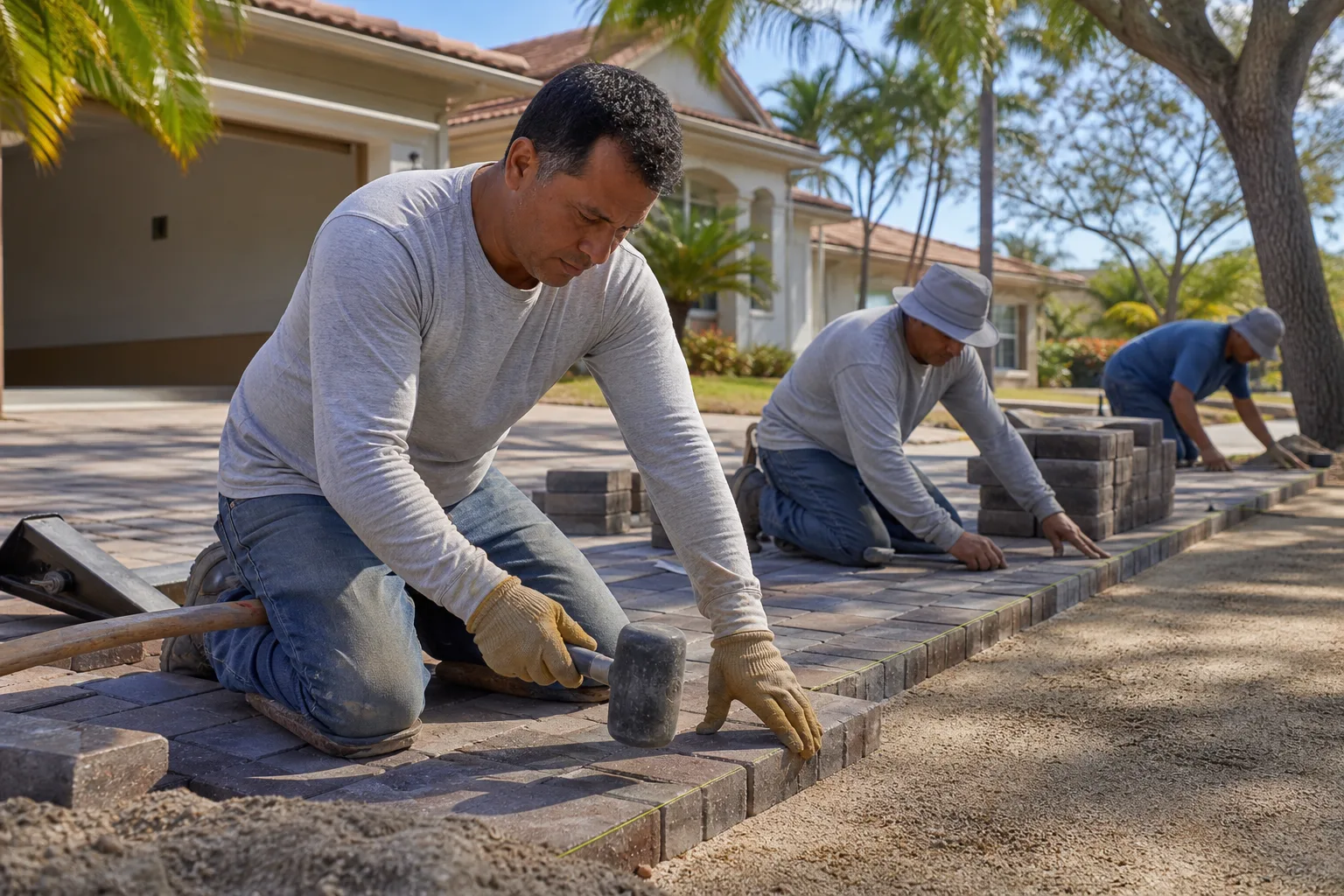
If you’re considering a new paver driveway, that material range is part of what makes a full-scope contractor useful. Choose your material, trust our installation. From the driveway to the roofline, our team handles the work under one contract. For homeowners planning a larger exterior upgrade, our fence installation work pairs naturally with a new or refreshed driveway. If you’re also planning an addition, our home additions & ADU services coordinate with the exterior scope so the driveway, fencing, and structure all land on the same plan.
The Seasonal Checklist, Step by Step
A Spring Valley driveway maintenance checklist shouldn’t follow the calendar so much as the weather. Here’s the sequence that actually matches our climate cycle.
After each monsoon season (roughly late summer into fall)
- Inspect joint sand across the whole surface. Look for gaps, pooling, or loose sand.
- Check for weed and ant activity along joints.
- Look at drainage flow. Verify water runs off the drive and not into the garage.
- Refill any washed-out polymeric sand while the joints are dry.
Early spring, before the heat
- Inspect the garage apron expansion joint for compression or pull-away.
- Test sealer beading with a water cup. If water soaks in, plan a reseal.
- Wash the surface with the correct PSI for your paver face texture.
- Reapply sealer if beading fails or the film is chalky.
After summer heat
- Recheck the garage apron expansion joint.
- Scan for new cracks at the driveway edge and garage transition.
- Look for caliche or efflorescence bloom after the wet season.
- Note any uneven areas or rocking pavers for repair.
That’s the real cycle. Doing all four steps once a year misses the second expansion check and the post-monsoon joint inspection, which are the two most expensive things to ignore in Spring Valley.
Drainage, Slopes, and Edge Restraint
A driveway that drains well lasts longer than one that’s merely well-sealed. Spring Valley’s soil moves. When the base shifts, the slope changes, and water starts pooling where it didn’t used to. That standing water does more damage to joints and base material than rain hitting the surface ever will.
Check the slope of the driveway visually after a rain or a wash-down. Water should run toward the street or a drainage feature, not toward the garage, not toward the house foundation, and not into a low spot mid-drive. If water pools, the fix is usually a slope correction, and that’s a job for a contractor with proper base compaction equipment. Edge restraint is the other half of drainage. The pavers at the perimeter need to be held in place by a proper edge restraint; without it, they spread under traffic, joints widen, and drainage along the edge changes.
Quick drainage checklist
- Watch where water flows during a wash-down. Confirm it moves off the surface cleanly.
- Check the perimeter for pavers that have spread or shifted.
- Inspect the edge restraint for gaps or looseness.
- Look for sunken pavers or low spots in the middle of the drive.
If water is pooling or the edges are spreading, that’s a repair rather than maintenance. That’s the moment to bring in a contractor familiar with Construction Spring Valley standards for base preparation and proper compaction before a small problem becomes a full replacement.
Common Mistakes to Avoid
- Following the annual reseal schedule from a manufacturer’s label. In Spring Valley’s UV climate, sealer breaks down faster, so yearly is already too slow. Inspect twice a year.
- Treating caliche as efflorescence. They look similar but need different treatments. Wrong treatment wastes money and can etch the surface.
- Pressure washing at full blast. High PSI strips sealer, voids warranties, and can polish the paver face. Always match the PSI to the face texture.
- Ignoring joint sand between monsoons. Washed-out polymeric sand is easiest to refill immediately after the storm, not a year later when weeds and ant mounds show up.
- Skipping the second garage apron check. One thermal expansion check per year misses the second shift cycle that 115°F+ summers force.
- Waiting on drainage problems. A slightly pooled low spot becomes a base failure after enough wet-dry cycles.
- Assuming brand quality eliminates maintenance. Even premium pavers need sealer and joint maintenance. The paver lasts; the sealer doesn’t.
See the difference
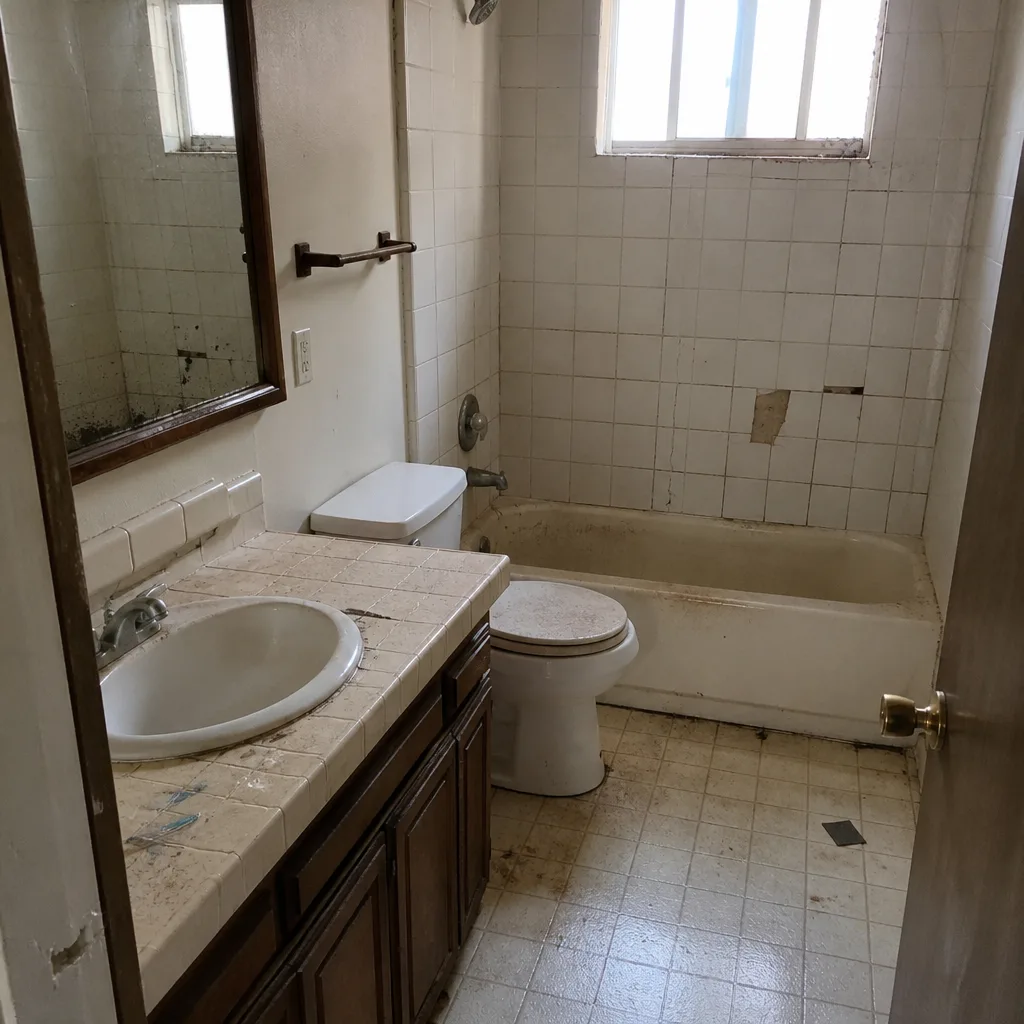 Before
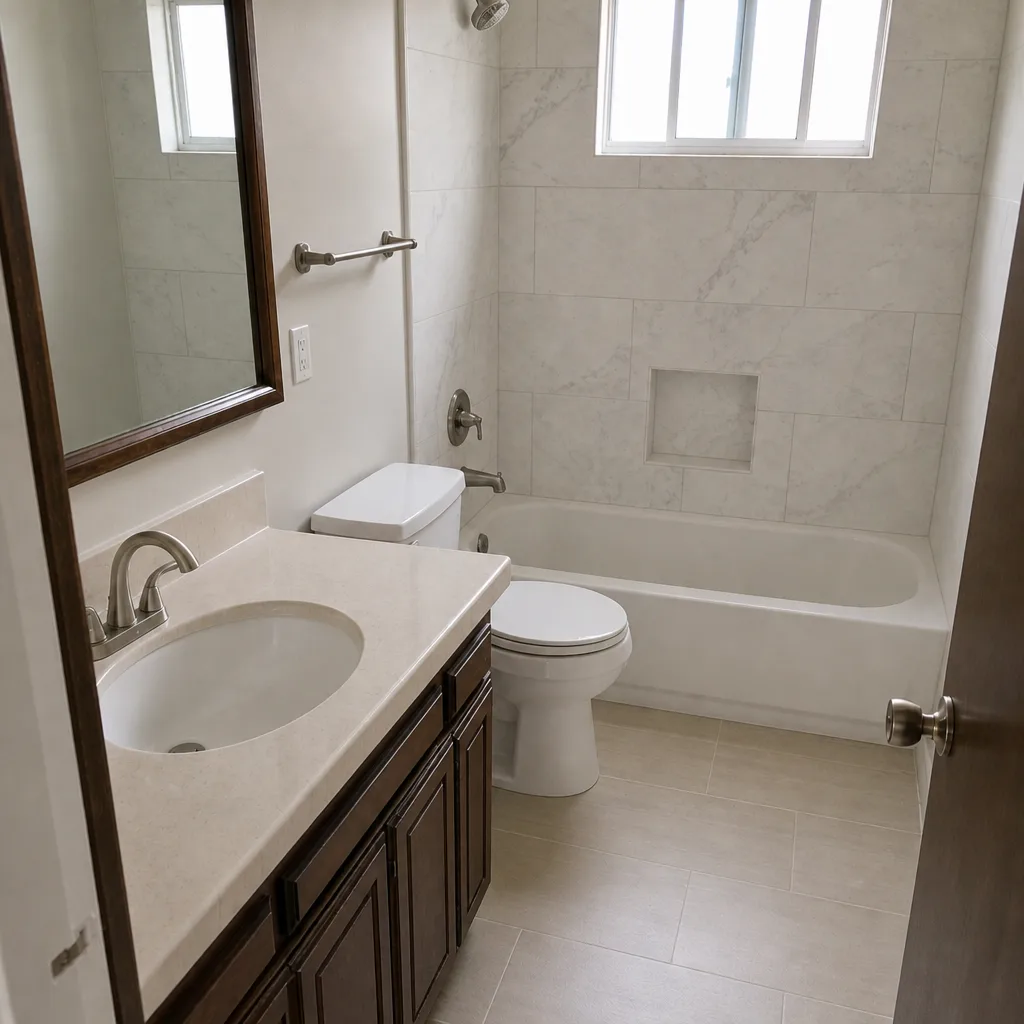 After
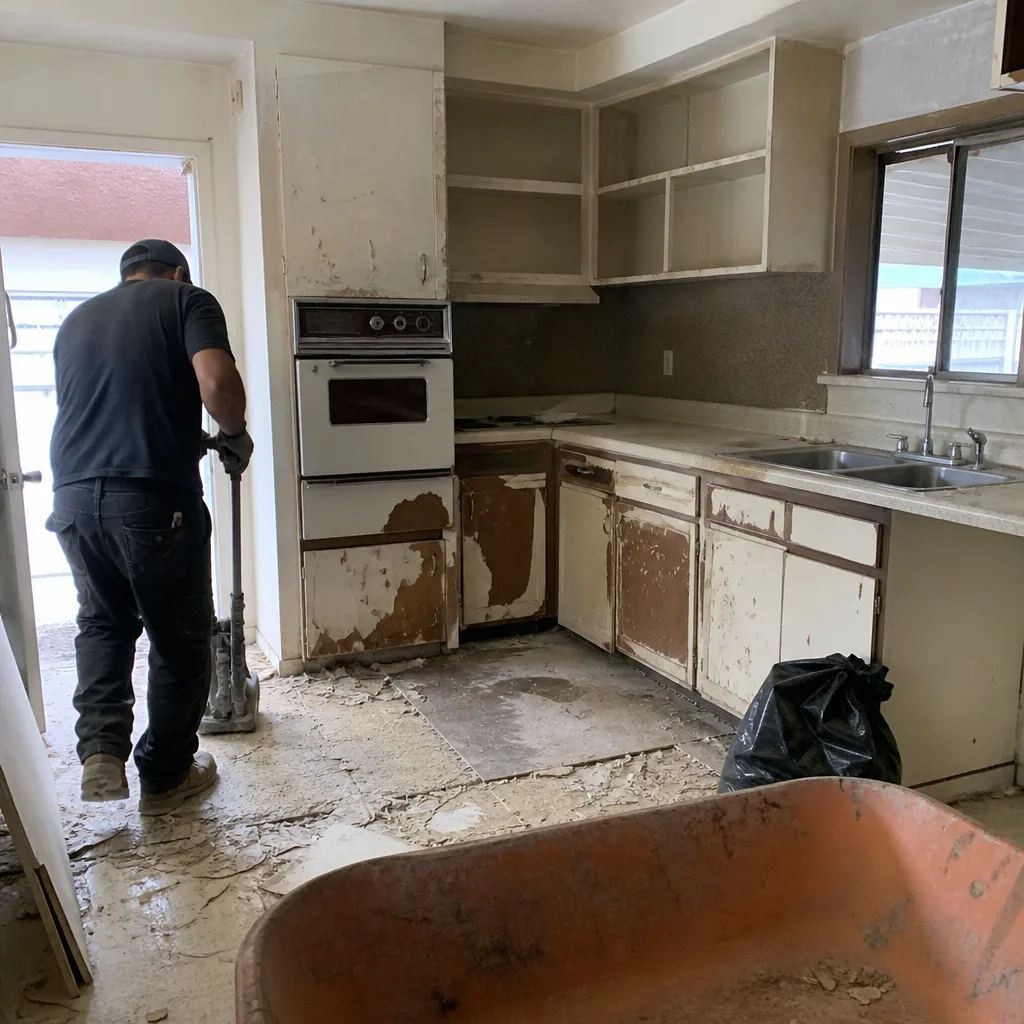 Before
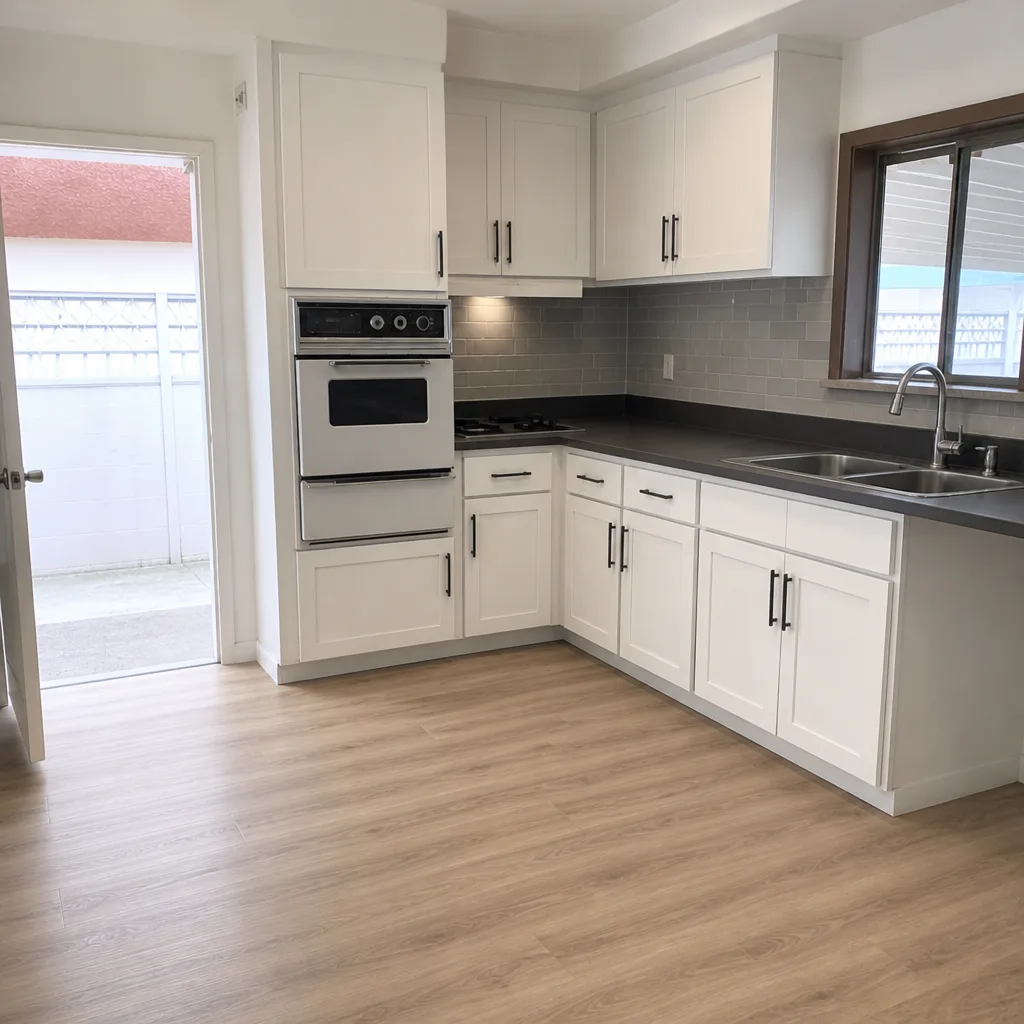 After
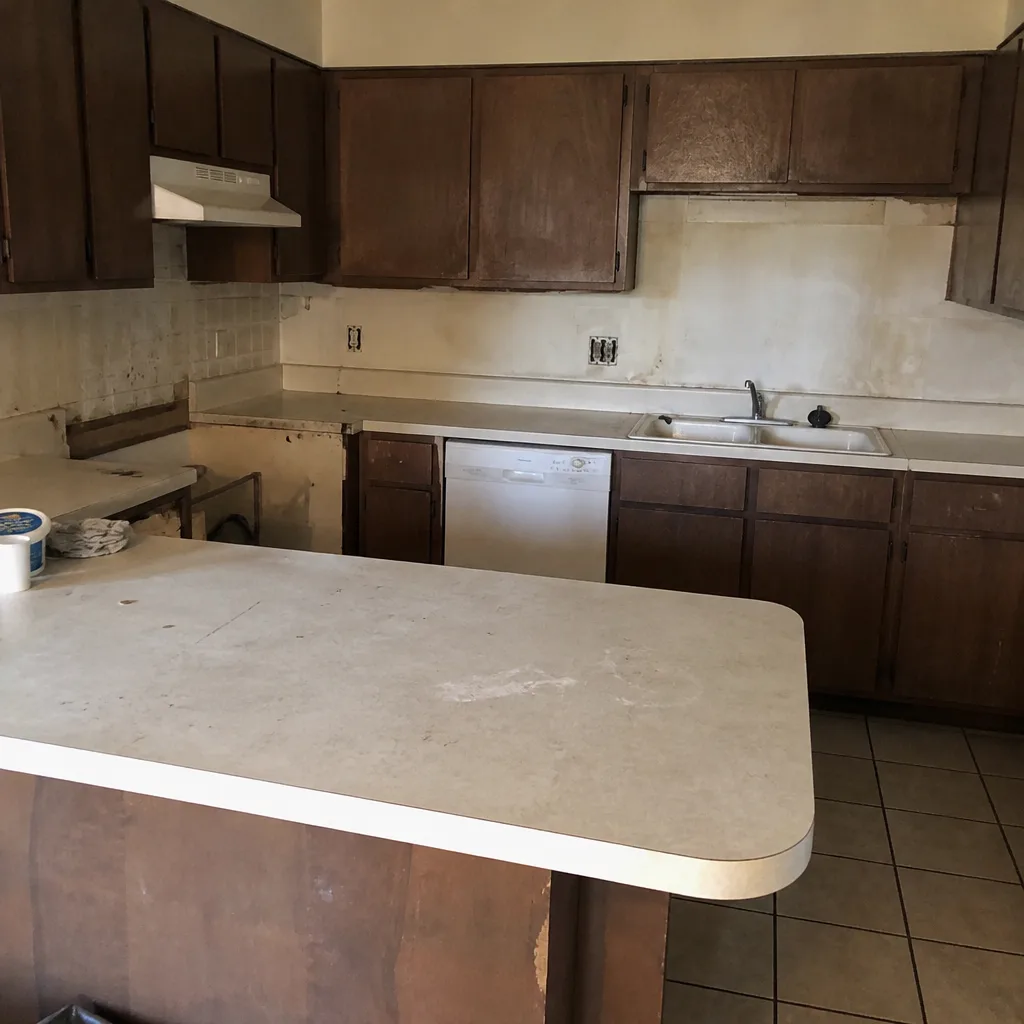 Before
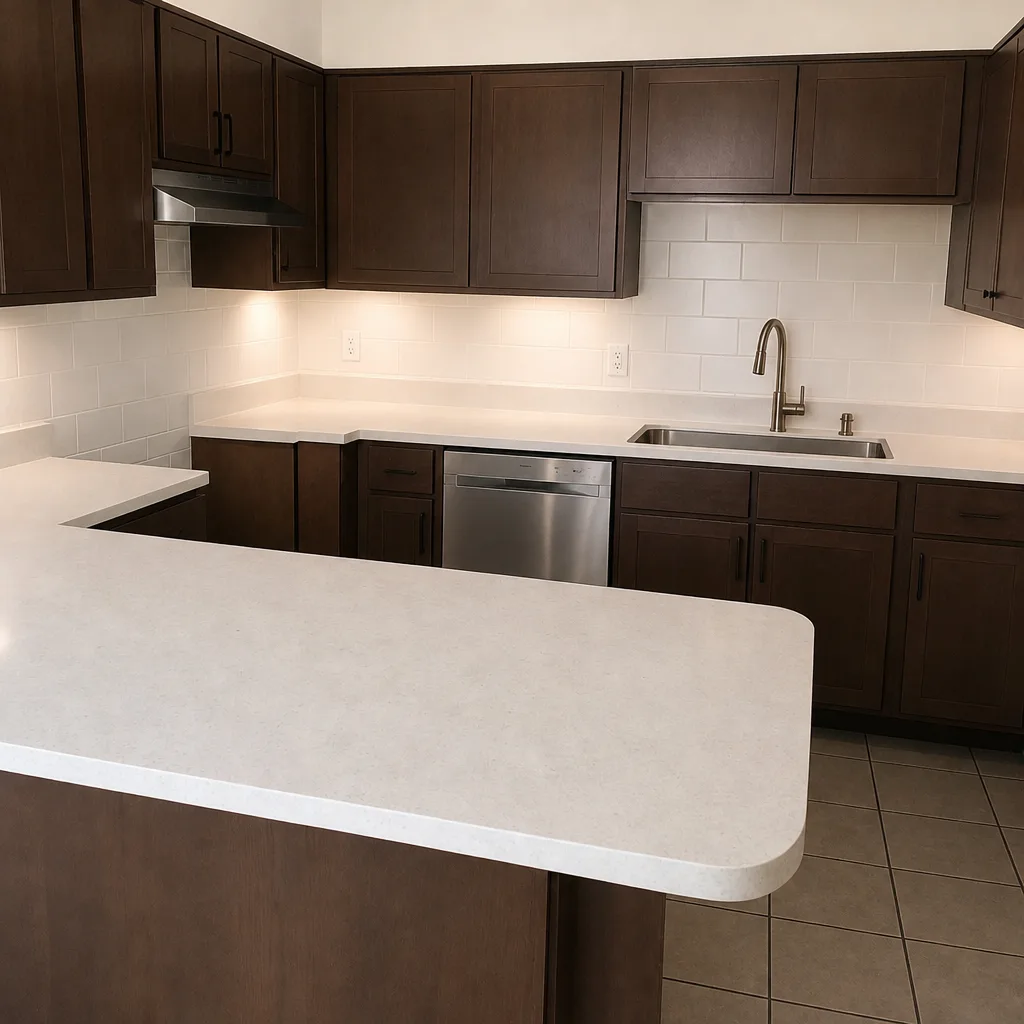 After
When to Call a Professional
Some maintenance tasks belong on your seasonal checklist, and some don’t. Call in a professional when water pools on the driveway and doesn’t drain off, when pavers are rocking or spreading at the edges, when you’re facing a full reseal on a surface you can’t safely pressure wash yourself, or when the garage apron shows cracks that keep coming back. Caliche treatment, slope correction, and edge restraint repair are also jobs where the wrong approach makes the problem worse. Construction Spring Valley offers free estimates in Spring Valley – call (844) 560-4461. We answer 24/7. Fast dispatch from 7am to 7pm, Sunday through Friday. Estimates are free, and the written estimate sets the price.
Frequently Asked Questions
Inspect twice a year and reseal when the water-bead test fails, which in most Spring Valley cases is faster than the manufacturer’s default interval. Our UV load breaks down sealer quicker than the label assumes, so most exposed driveways need resealing well before the typical three-to-five-year mark.
Yes, but it has to be diagnosed correctly first. Caliche bleed-through is harder and crustier than efflorescence and needs a different treatment. One a professional confirms it’s caliche, the surface can be treated and the source of the wicking addressed. Call (844) 560-4461 for a free estimate.
Safe PSI depends on the paver face texture, not the brand. Smooth and tumbled faces need lower pressure than textured or exposed-aggregate faces, and any sealed surface should be washed at the lowest pressure that works. Going above the safe threshold can strip sealer and void the warranty.
Because Spring Valley summers push driveway movement past the assumptions of a once-a-year check. The joint where the driveway meets the garage apron takes the biggest hit from 115°F+ days. Checking in early spring and again in early fall catches the failure before it cracks the driveway.
A properly installed paver driveway outlasts concrete in this climate, and the variable is maintenance. Pavers themselves last for decades; the sealer and joint sand decide how it looks and performs. Keeping the sealer fresh and the joints full is the difference between a 15-year-looking driveway and a four-year-old one that was ignored through two monsoon seasons.
When a driveway or paver project requires a permit in Spring Valley, we handle it. Confirm with your city’s building department for your specific scope. For a full-replacement driveway, ask us during the estimate.
The Bottom Line
The core lesson is simple. Spring Valley’s UV and soil put a different schedule on a paver driveway than the manufacturer’s default. Joint sand needs a post-monsoon check. The garage apron expansion joint needs a spring and fall check. Sealer needs a beading test twice a year, not once. Caliche needs a proper diagnosis before treatment, and pressure washing needs a PSI matched to the paver face. Match the schedule to the climate, and your driveway stays tight, flat, and protected for decades. From the driveway to the roofline, Construction Spring Valley offers one accountable team for the exterior and interior work. Call (844) 560-4461 for a free estimate. We answer 24/7. Fast dispatch from 7am to 7pm, Sunday through Friday.
Written by the team at Construction Spring Valley.